
Choosing a sleeping bag sounds simple until you actually try to do it. Type “how to choose a sleeping bag” into Google, and suddenly you’re knee-deep in temperature ratings, insulation types, shapes, fabrics, and enough technical jargon to make you wonder if you’re planning a weekend away or preparing for an expedition to Mars. Most people, especially on their first few trips, just grab the cheapest bag in the right colour and hope for the best, then spend the night either sweating like they’re in a sauna or shivering while questioning every decision that led them to this moment.
The truth is, sleeping bags are not one-size-fits-all, and they definitely aren’t one-climate-fits-all either. The right bag for a warm summer night in France will feel completely wrong on a cold October morning in the Lake District, and the cosy winter bag that saves your life in Norway will feel like a personal oven if you take it to a desert in Nevada. What matters is comfort, warmth, and how well the bag matches the conditions you’re actually sleeping in.
The right sleeping bag for any climate is the one that matches the lowest nighttime temperature you expect, suits whether you naturally sleep warm or cold, and uses insulation that works with your environment. Light, breathable bags are best for warm places, while cold conditions need proper insulation, a shaped hood, and features that keep the heat in. Down is warm and packs small, but synthetic handles moisture better. Once you match those three things, everything else becomes a bonus.
You don’t need to overthink it or become an expert in outdoor textiles to find a bag that works. You just need to understand the basics, trust your own comfort level, and pick something that isn’t pretending to be warmer than it really is. I once bought a “three season” bag that claimed it would handle frosty nights with ease, then discovered the only thing it handled with ease was letting the cold in through every possible gap. Lesson learned.
So let’s take the confusion out of it and break down what actually matters when choosing a sleeping bag, and how to make sure yours feels like a warm, safe cocoon rather than a regret you’re zipped inside until sunrise.
Contents
- Understanding Temperature Ratings
- Climate Changes Everything When It Comes to Sleeping Bags
- Down vs Synthetic: What Actually Matters
- Sleeping Bag Shape and Size
- Extras That Make a Difference
- Getting the Most Out of Your Sleeping Bag
- FAQs
- Final Thoughts
Understanding Temperature Ratings (and Why They Confuse Everyone)
Temperature ratings are the bit that turns most people’s brains inside out. You pick up a sleeping bag and it proudly announces something like “Comfort 0, Limit minus 6, Extreme minus 23” and suddenly you’re standing in the shop wondering if you’re supposed to be sleeping in the Arctic or just going camping for the weekend. It shouldn’t be this confusing, yet somehow it always is.
Here’s the simple version…
Sleeping bags are tested in controlled conditions with a thermal mannequin, not a real human being who might be tired or hungry or someone predisposed to getting cold feet no matter how many layers they wear. Those tests give us three numbers, and only one really matters for beginners: the comfort rating. That’s the temperature at which an average person can expect to sleep comfortably. Not shivering, not sweating, just normal. Everything else is mostly noise.
The limit rating is the temperature where a warm sleeper might just about stay okay if they curl up tightly and try not to think about how cold they are. And the extreme rating is essentially just marketing fluff. It basically means “you probably won’t die if you sleep in this temperature” which is not exactly the vibe you want from a piece of gear you’re planning to spend eight hours inside.
If you ever want a quick visual of how these ratings work, REI has a simple chart that explains the comfort, limit, and extreme numbers in plain English, and it’s worth a look if you like seeing things laid out clearly.
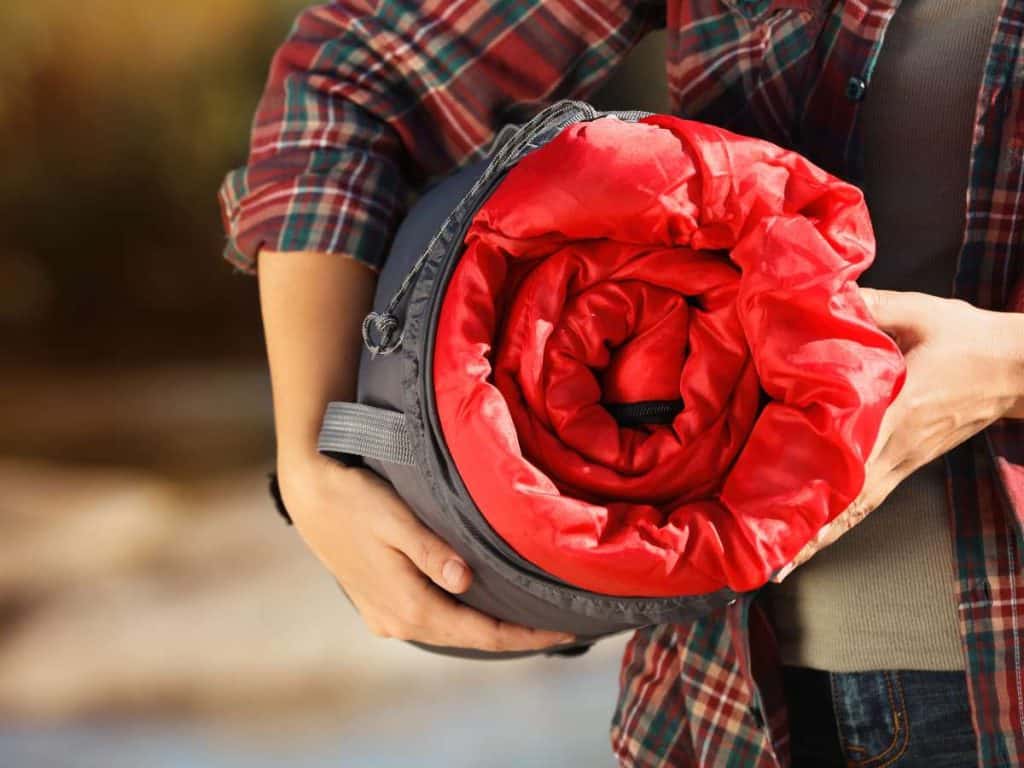
There’s also the fact that brands love to be optimistic. A bag advertised as suitable for freezing temperatures might actually feel cold at five degrees if you’re someone who naturally sleeps cool. I once tried a summer bag that claimed it was fine “down to ten degrees” and it genuinely felt like I was sleeping inside a crisp packet. I spent the whole night wrapped in every item of clothing I owned, staring at the tent roof and wondering why I’d trusted a label instead of my common sense.
The trick is to think about where you’re going and then add a little buffer. If the temperature at night is expected to drop to five degrees, pick a bag rated for zero. If you know you sleep warm, you can push it a bit. If you sleep cold or always end up stealing the duvet at home, go for a bag rated a little warmer than you think you need. It’s easier to unzip a bag that’s too warm than to magically warm up one that’s too cold.
Temperature ratings are far from perfect, but once you understand how to choose a sleeping bag using the rating, they stop being intimidating and start being genuinely useful. Think of them as guidelines, not absolute truths, and you’ll be fine.
How Climate Changes Everything When It Comes to Sleeping Bags
Once you understand temperature ratings, the next step is figuring out what kind of environment you’ll actually be crawling into your sleeping bag in. A bag that feels perfect on a calm summer night can turn into a soggy nightmare the moment you introduce wind, altitude, moisture, or anything else nature feels like throwing your way. Where you camp has just as much impact on your comfort as the bag itself, so it’s worth matching the two instead of treating every destination like it’s the same.
If you’re camping somewhere mild or summery, you can keep things simple. Light, breathable sleeping bags are your best friend. You want something that lets you cool down rather than trapping heat. A full winter bag on a warm night feels like sleeping in a warm baguette. Go for ventilation, a looser shape, and a zip that actually opens all the way without catching every three seconds. Half the battle in warm climates is staying comfortable without roasting yourself by mistake.
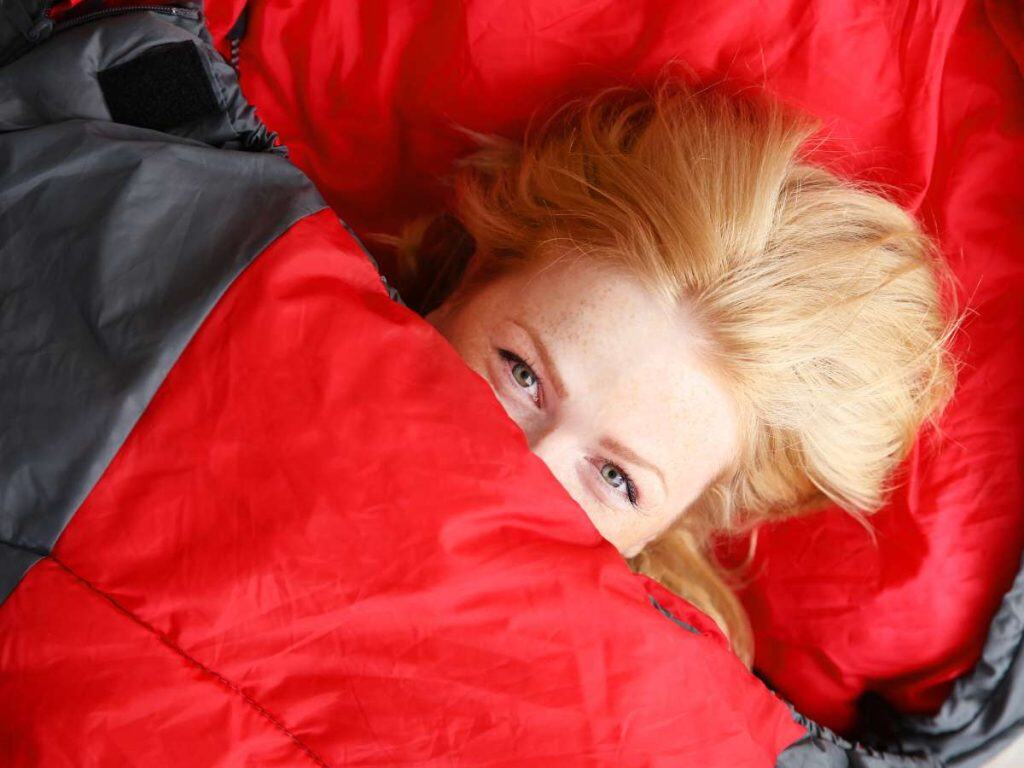
However, if you’re heading out in cold or damp climates, which is basically half the year in the UK, you’ll want something with proper insulation and a hood that hugs your head without feeling like it’s trying to smother you. Cold spots are the enemy, especially around your feet, shoulders, and the gap where your breath escapes. Look for draft baffles and a shape that keeps heat in without squeezing you like a loaf of bread in a poorly packed shopping bag.
Now, if you’re going properly cold, as in Scandinavia, the Alps, or anywhere the frost arrives before your first cup of tea, this is where the bag really matters. You’ll want something with a serious comfort rating, ideally paired with thermal layers and a mat that actually insulates instead of pretending to. In this kind of cold, the sleeping bag stops being gear and becomes your entire evening plan. Get it right and you’ll sleep like a warm burrito. Get it wrong and you will lie awake thinking about life choices.
Hot and dry places, like the Nevada desert or dusty parts of Southern Europe, require something completely different. Nights can still drop surprisingly low, but the real challenge is moisture management. Down bags can lose a lot of their warmth if they get damp, even slightly, so synthetic insulation can be the smarter choice here. You also want a bag that can open right up so you’re not marinating in your own heat as soon as the sun rises. In these climates, airflow matters more than thickness.
The simple truth is this: a sleeping bag that feels perfect in the Lake District won’t make sense in Arizona, and the bag that keeps you alive in a Swedish winter will make you miserable in Spain. Climate doesn’t just matter, it’s the whole story. Once you match your bag to the place you’re going, the entire trip feels easier, warmer, and a lot more predictable.
Down vs Synthetic: What Actually Matters
This is where the sleeping bag world starts to split into two camps. Some people swear by down and speak about it with the kind of devotion usually reserved for pets or favourite bands, and others stand firmly in the synthetic corner, insisting it’s the future of outdoor comfort. The truth is less dramatic… Both work, and both have their place. What matters is understanding how each behaves when you take it out into the real world rather than reading arguments on the internet from people who haven’t slept outside since 2014.
Down is the warm, fluffy stuff that comes from ducks or geese. It’s incredibly good at trapping heat, which means you get a lot of warmth for very little weight. If you like the idea of a bag that squishes down into a compact bundle and then puffs up like a cosy little cloud when you open it, down is your friend. It feels luxurious in a way synthetic never quite manages, and on cold, dry nights it performs brilliantly.
But down has one weakness, and that’s moisture. Even a small amount of dampness can make it clump and lose a big chunk of its warmth. That means if you are camping somewhere wet, humid, or unpredictable, you need to be careful. The golden rules are keep it dry, store it properly, and treat it gently. I once took a down bag to a coastal campsite thinking I was being clever, only to discover that coastal air is basically one long, invisible mist. The bag never fully dried and I spent the whole trip miserable and uncomfortable.
Synthetic insulation, on the other hand, laughs in the face of moisture. It stays warm even when damp, dries faster, and costs a lot less. It’s basically the workhorse option – not glamorous, or ultralight, but incredibly reliable. If you camp in the UK or anywhere with unpredictable weather, synthetic bags often make more sense simply because you can throw them around a bit without worrying about ruining them.
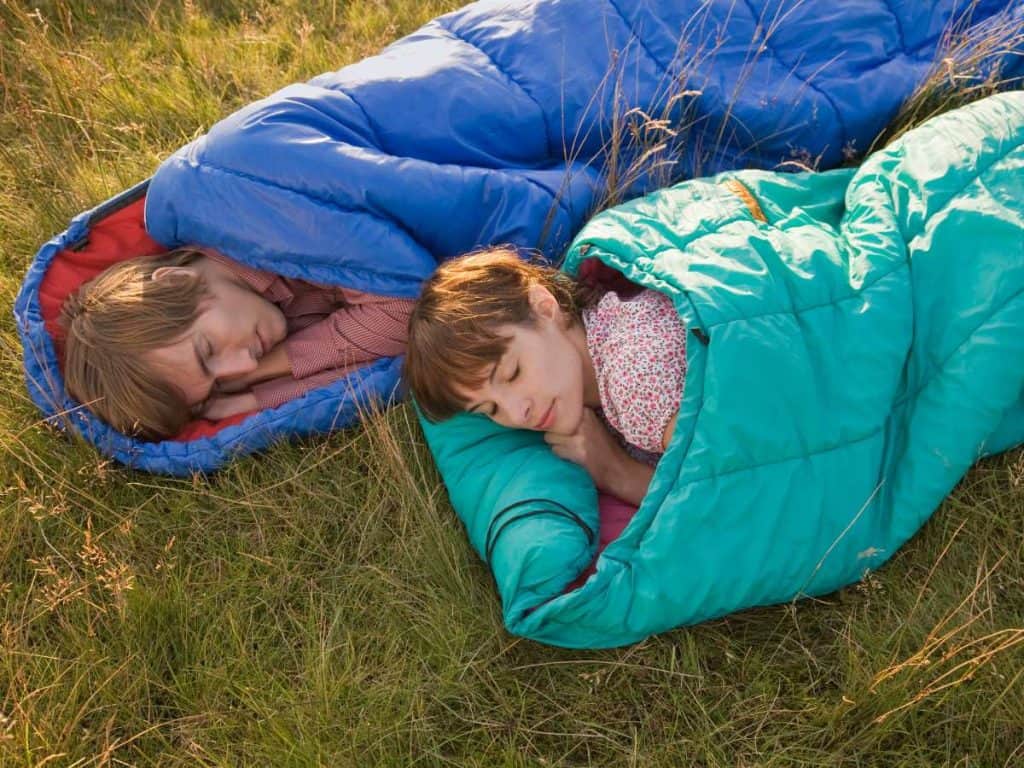
There’s also the ethical side. Some people prefer synthetic because it avoids animal products, and there are plenty of high quality synthetic bags now that close the performance gap quite nicely. Modern fibres have come a long way and you no longer have to choose between staying warm and feeling like you’re sleeping inside a bin liner.
So how do you choose? Think about where you camp and what kind of conditions you deal with. Dry climates reward down with its warmth and packability. Mixed or wet climates usually point you towards synthetic. If you want one bag that can do a little bit of everything without fuss, synthetic is usually the safer bet. If you want maximum warmth with minimum weight and you know you can keep it dry, down will feel like a treat.
Neither is wrong, and neither is perfect. They’re just different tools for different kinds of nights outdoors, and once you understand that, picking between them becomes a lot easier.
Sleeping Bag Shape and Size
Size and shape are also important factors, so let’s talk about shape first.
Sleeping bags come in more shapes than most people expect, and each one has its own personality. Some are built for warmth, some are built for comfort, and some seem to be built purely to annoy anyone who moves more than one centimetre in their sleep. The trick is matching the shape to how you actually sleep, not how you imagine you sleep when you’re feeling optimistic in a shop.
The classic mummy bag is the one everyone recognises. It tapers at the bottom, wraps around your head, and tries its best to turn you into a snug human caterpillar for the night. The shape is brilliant for warmth because it reduces the amount of air your body needs to heat, and on cold nights it genuinely makes a difference. But if you’re someone who rolls around, sticks a leg out, or panics the moment you feel confined, a mummy bag can feel like being zipped into a very cosy coffin. Some people love that closeness, others spend the whole night wriggling like a disgruntled worm trying to escape.
Then you have rectangular bags, which are basically the sleeping bag version of a hotel bed. More space, more freedom, and a lot less thermal efficiency. They feel familiar and comfortable, and if you’re camping in mild conditions or you like to spread out like a starfish, they can be perfect. The downside is they let more heat escape, and they pack down about as well as a rolled up duvet, so if you’re camping without a car, and only have the rucksack on your back, these might not be the best option.
There are also semi-rectangular or hybrid bags, which try to strike a balance between the two. A bit of shaping at the bottom to keep your feet warm, a bit of freedom at the top so you don’t feel trapped, and usually a decent combination of warmth and comfort. These are the bags that suit most people, especially beginners.
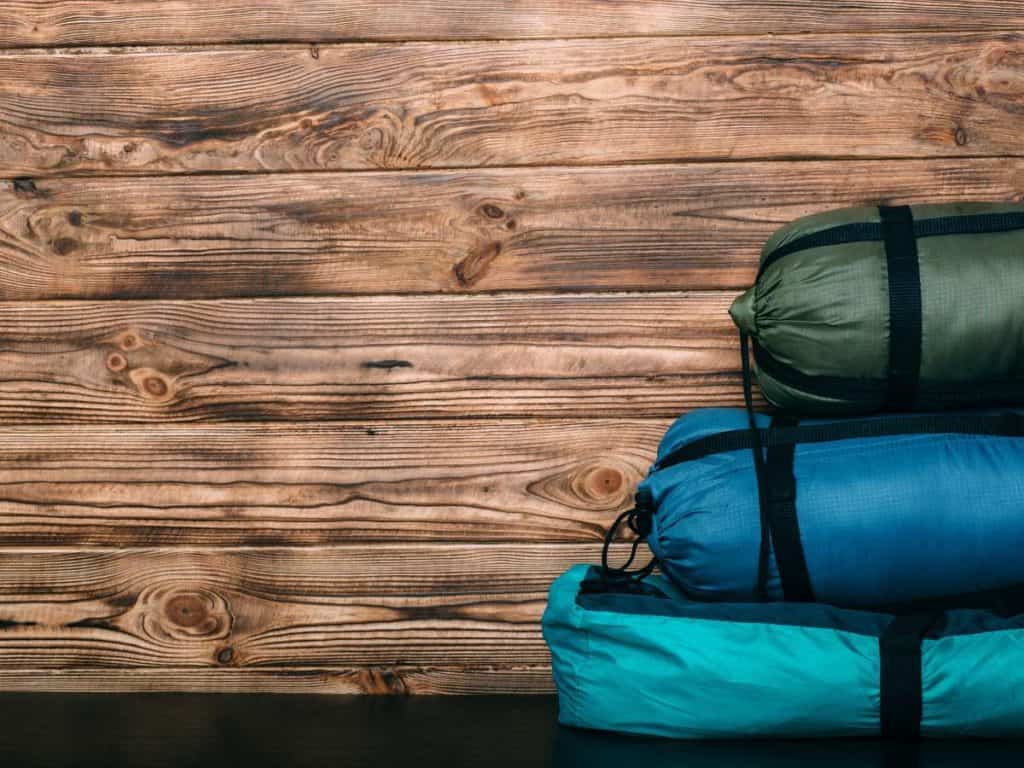
And then we have quilt-style bags, which are a newer option but becoming more popular. They’re basically insulated blankets with clever attachments so you can tuck yourself in without committing to the full zip-up experience. People who sleep hot love them because you can let air in easily, and they pack down small. They aren’t ideal for freezing nights unless you know what you’re doing, but for summer or lightweight travel they can be surprisingly comfortable.
Size matters too, and not in the dramatic way outdoor shops like to hint at, but in the very ordinary sense that you want something that feels right for the way you actually sleep. A bag that’s too tight will have you lying there feeling every tiny shuffle in your shoulders and every fidget in your feet, and suddenly you’re hyper aware that you’ve zipped yourself inside a fabric envelope with no graceful escape route. A bag that’s too big isn’t much better, because all that loose space fills with cold air that never quite warms up, and you end up trying to heat what feels like an entire small hallway instead of your own body. The easiest way to get this right is to imagine climbing into it on a real camping night, when you’re tired and probably a bit grumpy and just want to settle in, and think about whether you sprawl or curl or twist or generally behave like a restless octopus trying to get comfortable.
When you find the right size, a sleeping bag turns into this small travelling nook that feels oddly like home. Not flashy, not impressive, just a warm, familiar cocoon that wraps around you without smothering you or letting the cold sneak in around the edges. It shouldn’t feel like a prison or a sauna or one of those flimsy supermarket bags that flaps when someone breathes near it. It should feel like a place you want to return to after a long day outdoors, something that holds the warmth you’ve built up and lets you forget about the gear entirely. And once you get that feeling, everything else stops being a checklist and starts being part of the rhythm of camping, where the little comforts matter far more than the fancy features on the label.
Extras That Make a Difference
Once you’ve sorted the main bits of your sleeping setup, there are a few small extras that can quietly transform a night outdoors from “manageable” into “surprisingly comfortable”. None of them are essential camping gear in the strict sense, and you can absolutely camp without them, but they’re the little touches that make you feel like you’ve finally figured out your own version of comfort rather than simply surviving until morning.
A sleeping bag liner is one of those things you never think about until you try one, and then you wonder how you ever managed without it. A good liner adds a faint, gentle warmth that creeps up on you slowly, like the way a cup of tea warms your hands before it warms your chest. It also keeps the inside of your bag cleaner, which you’ll appreciate the first time you realise your sleeping bag now smells faintly of grass, smoke and whatever snack you ate just before bed. Liners also give you options on warm nights, since you can sleep inside the liner and leave the bag unzipped without feeling exposed to every breeze that wanders through camp.
A compression sack might not sound exciting, but there’s something deeply satisfying about squashing your sleeping bag down into a tight little cylinder that fits neatly into your pack or car boot. It makes packing feel less chaotic and gives you a sense of order that camping rarely delivers on its own. For wetter trips, a waterproof stuff sack is worth its weight in gold, because no one wants to slide into a cold, damp sleeping bag and pretend it’s fine.
There are also small comfort items that seem insignificant until you’re out there, like a light blanket or a soft camp pillow that lets your head settle in a way that your rolled up hoodie never quite manages. A pillow sounds like a luxury until you’ve tried to sleep without one and woken up the following morning with a stiff neck. I take a pillow everytime I camp, and I highly recommend it.
While we’re on the subject of waking up feeling stiff, a good camping mattress also deserves a mention, because while everyone focuses on the sleeping bag, it’s the thing underneath you that often decides whether you wake up refreshed or feeling like someone replaced your spine with a metal pipe. Mattresses get treated as an afterthought, but the difference between a thin foam roll mat and a decent insulated pad is honestly night and day. If you’ve got a bad back or you simply appreciate the feeling of not sleeping directly on the planet’s lumpy surface, choosing the right mat can turn a grumbly morning into something close to bliss.
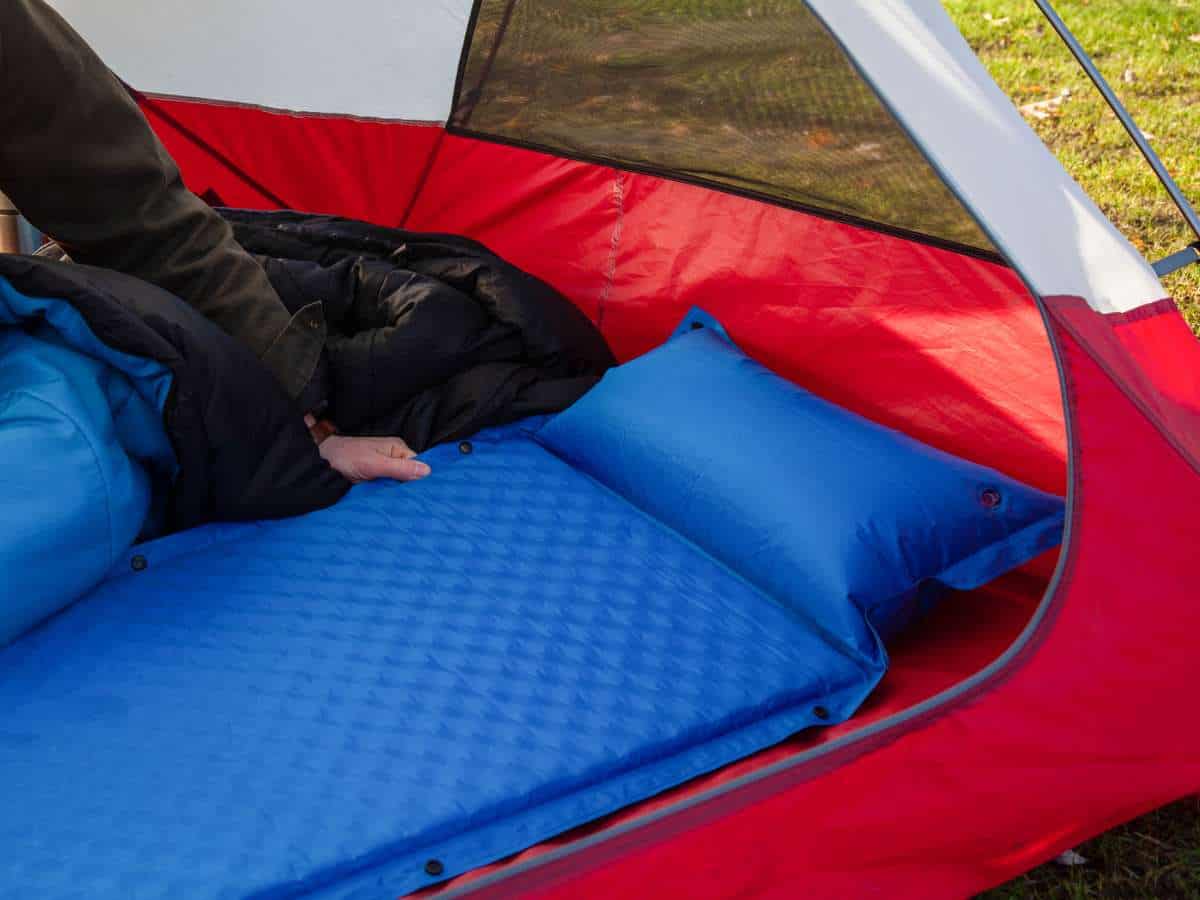
Some people swear by thick air mattresses, others prefer firm insulated pads, and if you’re someone who’s struggled with back pain, it’s worth reading up properly before you buy because the right mattress can change your whole experience. We’ve already dug into this in detail in our guide on the best camping mattresses for bad backs, so it’s well worth checking that before you decide.
If you sleep cold, a pair of thermal leggings or thick socks can also make a huge difference, and there’s a sort of childish joy in climbing into your bag already warm, almost as if you’re getting a head start on the night. On warm trips, the opposite is true, and it’s nice to have the option to unzip your bag completely and use it like a quilt without feeling trapped inside something that wants to roast you slowly.
Then there’s the small stuff that doesn’t seem related to sleeping at all but somehow affects your whole night. A head torch within reach, a bottle of water tucked by your bag, a little dry area where you can put your clothes so they don’t greet you in the morning with a cold, damp handshake. These tiny bits of organisation make a night outdoors feel less like roughing it and more like finding a gentle rhythm, a bit of routine, even in a place that doesn’t offer much structure.
None of these extras are essential and you won’t ruin your trip without them, but they’re the quiet helpers that make the difference between simply sleeping outside and actually enjoying the whole experience. Camping becomes so much better when you find the little comforts that suit you, and after a few trips you start to recognise which ones matter and which ones were just clever marketing that never quite earned their place in your pack.
Getting the Most Out of Your Sleeping Bag
Understanding how to choose a sleeping bag is only half the battle… You also need to know how to look after your sleeping bag, and this is something that’s often overlooked.
A sleeping bag lasts a lot longer than people think, but only if you treat it with a bit of care. They look tough and rugged and ready for anything, but most sleeping bags are surprisingly delicate once you get past the outdoorsy marketing. The best way to think about it is this: your sleeping bag is basically a big, soft jacket for your whole body, and if you wouldn’t scrunch your favourite winter coat into a damp ball or drag it through mud, you probably shouldn’t do it to your bag either.
The first rule is simple: let it breathe. After a night’s sleep the inside of your bag is always a little warm and humid, even if you don’t feel it. If you stuff it straight into a sack before it has a chance to air out, that moisture sits there all day like an unwanted houseguest, slowly flattening the insulation and making the whole thing smell like a mix of damp laundry and campfire smoke. Hang it over your tent, your car, a tree branch, anything that lets some fresh air drift through it while you potter about with breakfast.
When it comes to washing, be gentle. Sleeping bags hate being chucked in the machine on a random setting with whatever detergent you’ve got lying around. Down bags especially need special soap and a slow, patient wash, otherwise the feathers clump together and you end up with cold patches that never quite recover. Synthetic bags are more forgiving, but they still do better with a delicate cycle and a proper drying session. A tumble dryer on low heat with a couple of tennis balls works wonders, because the balls bounce around and break up the clumps, bringing the loft back to life. It looks ridiculous, but it works.
Storage is the bit most people get wrong. Sleeping bags shouldn’t live in their stuff sacks, because compressing them tightly for months at a time crushes the insulation and makes them lose their warmth. Keep the stuff sack for trips and give your bag a roomy home the rest of the year. Most bags come with a big storage sack, but if yours didn’t, even a clean pillowcase does the job. Anything that lets the insulation stay fluffy and relaxed, almost like the bag is stretching out after a long nap.
And finally, the simple act of being a bit kind to it goes a long way. Keep it dry, avoid stepping on it, shake out the crumbs if you decided to eat biscuits in bed, and try not to melt a hole in it by sitting too close to the campfire. A sleeping bag will forgive a lot, but it won’t forgive sparks.
Take care of it and it becomes one of those pieces of kit that feels better every year, a quiet companion that holds its shape and warmth long after its price tag has faded from memory. And once you find a bag that really suits you, you’ll want it to last, because nothing beats climbing into something familiar and warm at the end of a long day outside.
FAQs
Do I need different sleeping bags for different seasons?
You don’t need to, but your comfort will depend on how much you push the bag outside its happy temperature range. Summer bags can feel chilly the moment the temperature dips lower than expected, while winter bags can turn a warm evening into something sweaty and restless. If you love the idea of simplifying your gear, you can absolutely manage with one good three-season bag and adjust things with layers, liners, and a decent sleep mat.
Is it OK to use a sleeping bag outdoors without a tent?
It’s totally fine, but whether it’s comfortable depends on the weather, the ground conditions, and your tolerance for the occasional breeze. Sleeping under the stars can be magical, but it also means dealing with dew, insects, and the occasional midnight gust that makes you question your life choices. If you’re tempted by the idea of ditching the tent entirely, we’ve put together a full guide on bivvy bags, hammocks, and tarp setups in our Camping Without a Tent post, which makes the whole thing a lot easier to get right.
How do I stop condensation from soaking my bag at night?
The trick is distance and airflow. Don’t let the bag press against the inside of your tent, because that’s exactly where condensation gathers. Keep a gap between the fabric and your insulation, and make sure your vents are open even when it’s cold. If you’re camping somewhere damp or coastal, expect a bit of moisture no matter what you do. If you want to avoid waking up to a wet sleeping bag and a damp everything-else, we covered some really helpful rain management tips in our guide on What To Do If It Thunderstorms While You’re Camping.
How to choose a sleeping bag for solo camping?
If you’re heading out alone, comfort becomes strangely more important, not less. When you don’t have anyone to chat to once the sun goes down, your sleeping setup ends up doing a lot of emotional heavy lifting. Pick something warm, reliable, and familiar. If you’re nervous about your first solo night or you want to make the whole experience feel reassuring rather than tense, our How to Make Solo Camping Fun guide covers the things people wish they’d known before their first trip.
Are expensive sleeping bags worth the money?
Sometimes yes, sometimes no. High-end down bags are worth it if you’re doing lots of multi-day or cold-weather trips, because you get incredible warmth-to-weight performance. But for most casual campers, a well-made synthetic bag does the job without the painful price tag. If you’re trying to build a camping setup on a budget, or you’re wondering where your money actually makes a difference, our guide Is Camping Expensive? breaks down which bits are worth investing in and which bits you can absolutely save on.
Final Thoughts
If there’s one truth about sleeping outdoors, it’s that comfort isn’t a luxury, it’s the thing that lets the whole experience settle into something genuinely enjoyable. A good sleeping bag won’t fix bad weather or keep the midges from staging a small uprising outside your tent, but it will give you a warm, familiar place to return to at the end of a long day, and that counts for a lot when you’re tired, hungry, and just want a quiet night under the sky.
Once you know how to choose a sleeping bag that suits the way you actually sleep, everything about camping becomes easier and much more enjoyable. Nights feel more comfortable, mornings feel less stiff and achey, and packing feels less like a chore and more like a ritual you slowly get better at. And the small bits of knowledge you pick up along the way, like airing your bag in the morning or storing it loosely at home, start to make you feel like someone who actually knows what they’re doing out there.
You don’t need the fanciest gear or the most expensive setup, and you don’t need to follow every rule perfectly. You just need something warm, something comfortable, and a bit of curiosity for what the night has in store. Camping is meant to be simple, and the more you lean into that, the more you’ll enjoy it.
So take your time, choose the sleeping bag that feels right for you, and get out there when you can. The world is full of quiet corners, glowing sunsets, cold mornings that make coffee taste better than it does at home, and the kind of stillness you only ever find when you’ve slept under the open sky. A good sleeping bag just helps you enjoy it all a little more.
