If you’ve ever stood in a camping store feeling like you’ve accidentally wandered into a space mission prep zone, you’re not alone. Every shelf seems to promise survival, comfort, or exuberant luxury (sometimes all three) and before you know it, you’re trying to justify why you might need a titanium spork that costs more than your weekly grocery shop.
But let’s be completely honest – this isn’t essential camping gear, and you don’t need half of what the internet tells you to buy. You don’t need a generator, or a folding pizza oven, or a headlamp bright enough to alert passing aircraft. You just need the right basics: the kind of gear that lets you stay warm, dry, fed, and (ideally) a little bit smug about how well-prepared you are when the rain inevitably shows up.
For beginners, the essential camping gear list includes a tent, sleeping bag, and sleeping mat (for shelter and rest), a stove and basic cookware (for meals), suitable clothing, a light source, first aid kit, water storage or filtration, and a comfortable chair. Everything else is optional. Useful, sure, but not strictly necessary to have a great first trip.
Because camping isn’t about owning the perfect kit; it’s about getting outside, fumbling through your first few trips, and realising that the outdoors doesn’t care what brand of stove you’re using. The best gear is the stuff that works for you – simple, reliable, and tested by real-world experience, not glossy catalogues.
When I first went camping, I packed like I was fleeing civilisation. Three frying pans, two lanterns, and a duvet. Half the car was full before I’d even thought about the food. By the second night, everything smelled vaguely of smoke and damp fabric, and I learned that one decent sleeping mat is worth more than any number of collapsible gadgets. Lesson learned.
So, let’s break it down properly – what you actually need, what’s nice to have, and what you can happily leave behind for now.
Contents
- Understanding the Basics: What ‘Essential’ Actually Means
- The Big Three: Shelter, Sleep, and Cooking
- The Comfort Zone: Clothing, Lighting, and Seating
- Safety and Common Sense Gear
- The “Nice But Not Essential” Camping Gear
- Packing Tips: Keeping It Simple
- Frequently Asked Questions
- Final Thoughts: Gear Won’t Make the Trip, You Will
Understanding the Basics: What ‘Essential’ Actually Means
When people say “essential camping gear”, what they often mean is “everything I’ve ever bought that fits in a rucksack”. You’ll see photos online of setups that look more like tiny portable homes than actual campsites. Full tables, multiple burners, rugs, fairy lights, even espresso machines. It’s nice, sure, but it’s not essential.
The truth is, your essential camping gear comes down to one question, and one question only. What do you actually need to stay warm, dry and fed? That’s absolute bedrock, and if something doesn’t tick one of those boxes, it’s probably not essential.
A tent, something to sleep on, something to sleep in, and a way to make hot food. That’s your real list. Everything else is just comfort, and comfort is something you can build up to once you’ve done a trip or two and figured out what you miss.
Beginners often fall into the trap of trying to prepare for every possible situation, and the result is usually a car boot that looks like a game of camping Tetris gone wrong. Half the stuff never gets unpacked, and you end up eating with the same fork for three days because the rest of your “essential” camping gear is buried under a pile of stuff you didn’t need in the first place.
There’s actually a quiet freedom in realising how little you actually need to be comfortable outdoors. You start to enjoy the simplicity. A single mug that doubles as your bowl, a torch that’s been through more adventures than you have, and a sleeping bag that smells faintly of campfire and independence. It’s all part of the adventure and experience of camping.
Once you stop worrying about having the perfect setup, you can finally pay attention to what’s around you. The sound of rain hitting your tent. The smell of coffee in the morning air. The strange satisfaction of boiling water in the middle of nowhere and thinking, “Yeah, this’ll do nicely”.
The Big Three: Shelter, Sleep, and Cooking
If there’s one rule that always holds true in camping, it’s this: get your shelter, sleep, and cooking right, and everything else feels easy. Get any one of them wrong, and no sunset or mountain view will make up for it.
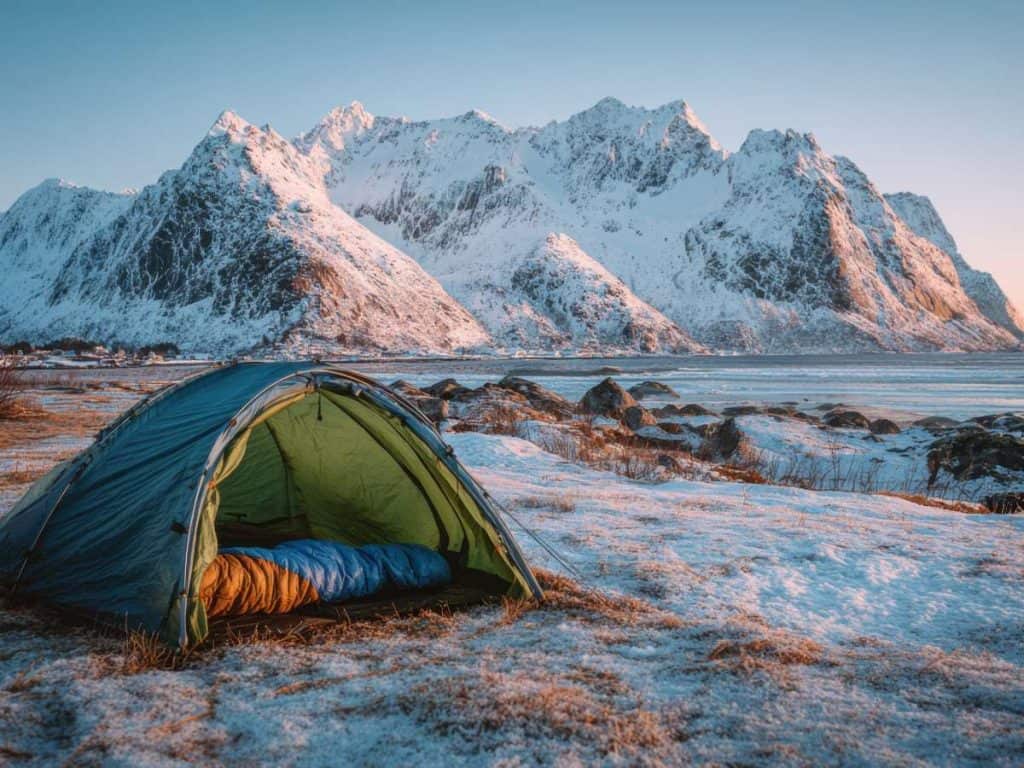
Start with shelter, because nothing tests your patience quite like pitching a tent in bad weather while pretending you know what you’re doing. Your tent doesn’t have to cost a fortune, but it does need to keep you dry and upright when the wind starts showing off. The best tent is one you’ve actually tried before you head out. Pitch it in your garden or even in your living room if you have to. It’s better to look daft once at home than to be standing in a muddy field at midnight wondering why you’ve got three spare poles and no roof.
Then there’s sleep, the part everyone underestimates. People imagine they’ll sleep fine on bare ground, then wake up feeling like they’ve been mugged by the earth itself. A proper sleeping mattress is worth its weight in gold, especially if you’re camping with a bad back. It keeps you warm, cushions the ground, and makes the difference between waking up refreshed or hobbling to the kettle like you’ve aged twenty years overnight. Pair that with a sleeping bag that matches the weather, not the one that’s been in the loft since your last school trip. Nights get cold, even in summer, and optimism won’t keep you warm.
Finally, we’ve got cooking, and this is where enthusiasm often outweighs experience. People imagine campsite feasts with bacon, pancakes, and artisan coffee. In reality, you’ll end up eating something half-cooked out of a pan you forgot to wash the night before. The best advice is to just keep it simple. One small stove, one pan, and food that can be cooked fast and eaten faster. Think pasta, noodles, or anything that doesn’t mind being slightly overdone.
I once camped beside a bloke named Simon who brought an entire spice rack, a wok, and the kind of confidence that comes from watching too many cooking shows. He was halfway through a chicken curry when his gas ran out, and he defiantly tried to finish it over a candle. It took hours and a lot of swearing. He said it was fine, but personally I think he was chewing through the raw bits out of pride.
That’s really all the big three are about. Shelter, sleep, and food is the essential camping gear everybody needs. Keep them simple and reliable, and you’ll love camping. Get them wrong, and you’ll spend the night wondering why people do this for fun.
The Comfort Zone: Clothing, Lighting, and Seating
Once you’ve got your essential camping gear sorted (tent, sleeping setup, and cooking gear), everything else falls into the comfort category. Not essential in the strict sense, but important if you like feeling vaguely human by the end of the trip. These are the little things that turn camping from survival into something you actually look forward to doing again.
Let’s start with clothing, as this is where most people get caught out. You don’t need a full wardrobe of high-tech gear, but you do need layers that work together. Think of it as a system rather than an outfit. A lightweight base layer to wick away sweat, something warm in the middle, and a waterproof shell on top. It doesn’t have to be fancy, but it does have to be functional. Cotton might feel comfy at home, but it turns cold and clammy faster than you can say “I should’ve brought a jumper”.
Bring more socks (preferably a good pair of hiking socks) than you think you’ll need. There’s no faster route to misery than wet feet. You’ll thank yourself when you’re pulling on a dry pair before bed, feeling like you’ve just discovered fire for the first time. You’ll also want to invest in a decent pair of hiking boots if you’re going to be doing any serious walking on the trip, especially if the weather is anything other than warm and dry.
Next up, lighting. Everyone forgets this one until the sun disappears and suddenly they’re trying to cook pasta by the light of a phone torch. Bring a proper head torch or lantern, and pack extra batteries. A simple light makes a huge difference at night, especially when you’re trying to find the loo without tripping over guy lines or mystery objects that definitely weren’t there in daylight.
And finally, seating. You might think you can just sit on the ground, but that novelty wears off fast. A decent camping chair changes the whole experience. It’s where you’ll drink your morning coffee, eat your dinner, and stare into the fire pretending to be deep in thought while actually just zoning out. It’s also the first thing everyone else will ask to borrow when theirs inevitably collapses.
The comfort zone isn’t about luxury; it’s about small wins. Dry clothes, a reliable light, and a sturdy but comfortable chair to relax in. These are the details that make you forget you’re technically outdoors and start to feel at home out there.
Safety and Common Sense Gear
Safety gear doesn’t sound very exciting. It’s not the bit that gets the Instagram likes or makes you daydream about sunsets and marshmallows. But it’s the stuff that quietly keeps you from having a rubbish time, and that makes it just as important as anything else you’ll pack.
Start with a first aid kit. You don’t need to carry a hospital around with you, but you do need the basics. A few plasters, antiseptic wipes, painkillers, tweezers, and something for blisters. Camping has a way of making small problems bigger. A cut finger or a hot spot on your heel can ruin your weekend if you don’t sort it early. Keep the kit somewhere easy to grab, not buried under your socks.
Next is navigation and communication. If you’re on a proper campsite, you probably won’t need more than your phone, but if you’re heading further out, bring a map or at least download an offline one. Phone batteries have a habit of dying at the worst possible moment. And while you’re at it, tell someone where you’re going and when you plan to be back. It sounds dramatic until the one time you actually need it.
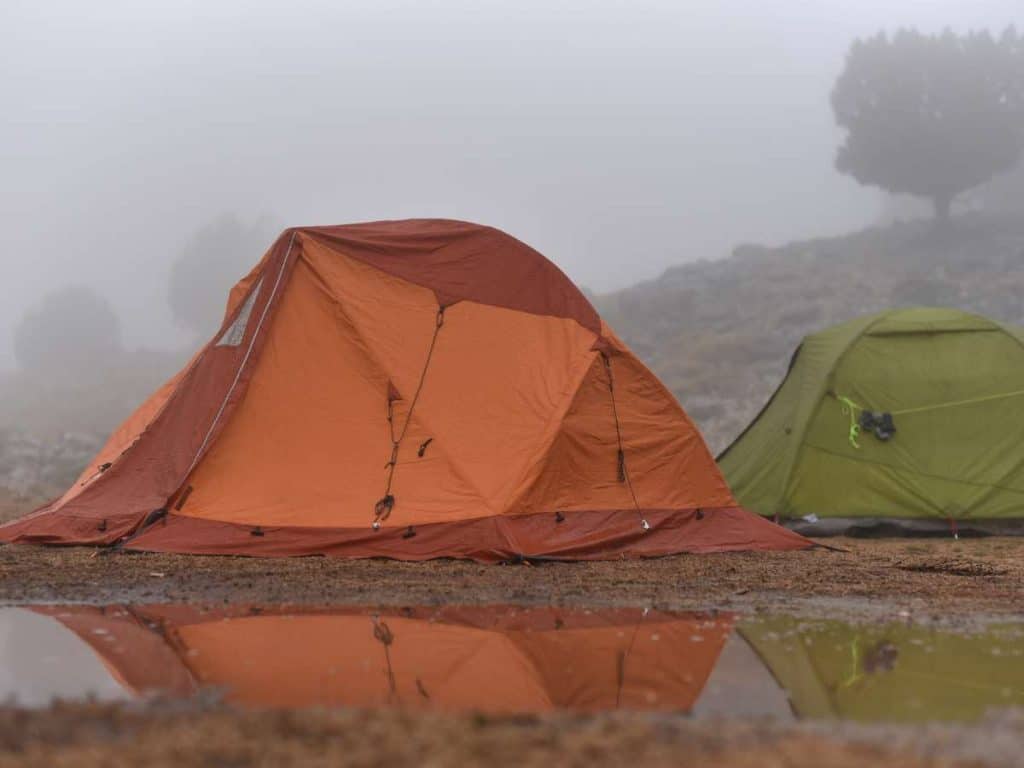
Then there’s weather prep. It doesn’t matter where you’re camping, the weather will always find a way to surprise you. I’ve been caught camping in a thunderstorm several times, and it’s never fun. Check the forecast before you go and then pack for the opposite, just in case. The Met Office has a great weather safety guide that’s worth a quick look before any trip – it covers everything from lightning to sudden drops in temperature, and it’s the kind of advice that saves a lot of discomfort later.
Speaking of water, it’s worth having a way to store or clean it. A refillable bottle or bladder works for most trips, but if you’re camping somewhere without guaranteed clean water, bring a filter or purification tablets. It’s not glamorous, but it beats getting ill halfway through your trip.
And finally, a spare light and a few basic tools can save the day. A small multitool, some duct tape, and a bit of paracord have solved more campsite disasters than any fancy gadget ever will. A snapped pole, a leaking tent, a broken zip – they all feel like the end of the world until you fix them with tape and a bit of stubbornness.
Safety gear isn’t the fun part of packing, but it’s what makes the fun possible. You probably won’t need half of it, but the one time you do, you’ll be very glad you didn’t leave it behind.
The “Nice But Not Essential” Camping Gear
This is where camping starts to show its personality. Once you’ve got the essential camping gear sorted, the rest is just a collection of things that make life a bit nicer. None of them are deal breakers, but they do make the difference between a trip that’s “fine” and one you’ll actually brag about later.
Let’s start with comfort extras. A small pillow feels like a luxury until you’ve tried sleeping with a rolled-up hoodie under your head for two nights. You can get inflatable pillows or bring one from home if there’s space. A decent one can make your tent feel less like a fabric cave and more like a slightly wonky bedroom.
Then there’s furniture. A little folding table is handy for cooking or playing cards when the weather turns foul. Some people bring hammocks, and while they’re completely unnecessary, there’s something very satisfying about swaying between two trees pretending you live there now. If you’re feeling particularly adventurous, you could even try camping without a tent entirely!
Lighting can also go from functional to fun. A string of battery-powered fairy lights takes about twenty seconds to hang up and somehow makes the whole setup feel like a festival. It’s the camping equivalent of mood lighting – entirely pointless but weirdly comforting.
You could also add extras for warmth and relaxation. A small blanket, a hot water bottle, or a compact camping heater if you’re somewhere that allows it. None of them are must-haves, but they all help when the temperature drops and you’re not ready to crawl into your sleeping bag just yet.
Then there’s food and drink extras. A coffee press, a small cooler, or even a bar of chocolate tucked in your bag for emergencies.
And finally, entertainment. A book, a deck of cards, or a small speaker if you’re being considerate. The trick is balance. Enough to make you smile, not so much that you forget why you came out in the first place.
These “nice but not essential” bits are what turn camping into your own version of comfortable. The best part is figuring out which ones actually matter to you. For some people it’s a hammock, for others it’s a pillow or a flask of decent coffee. You’ll figure it out after a few trips, once you’ve learned which small comforts feel worth the space and which were just clever marketing.
Packing Tips: Keeping It Simple
Packing for a camping trip is a bit like trying to predict the future. You start with good intentions, then end up with seventeen “just in case” items and no room for your actual sleeping bag. Everyone overpacks the first few times, it’s practically a rite of passage. The trick is to get better at knowing what you’ll actually use.
Start with a list. Not the kind that lives on your phone and never gets finished, but one you actually tick off as you go. Separate it into categories (sleeping, cooking, clothing, extras) and keep it realistic. You don’t need a spare for everything. If something breaks, you’ll figure it out, and that’s half the fun.
It’s also worth packing in a way that makes sense when you arrive. Heavy stuff at the bottom, things you’ll need first near the top. Nothing ruins a first night faster than rummaging through a mountain of gear looking for your tent pegs while the light’s fading. And keep your torch somewhere you can reach it without unpacking half your car.
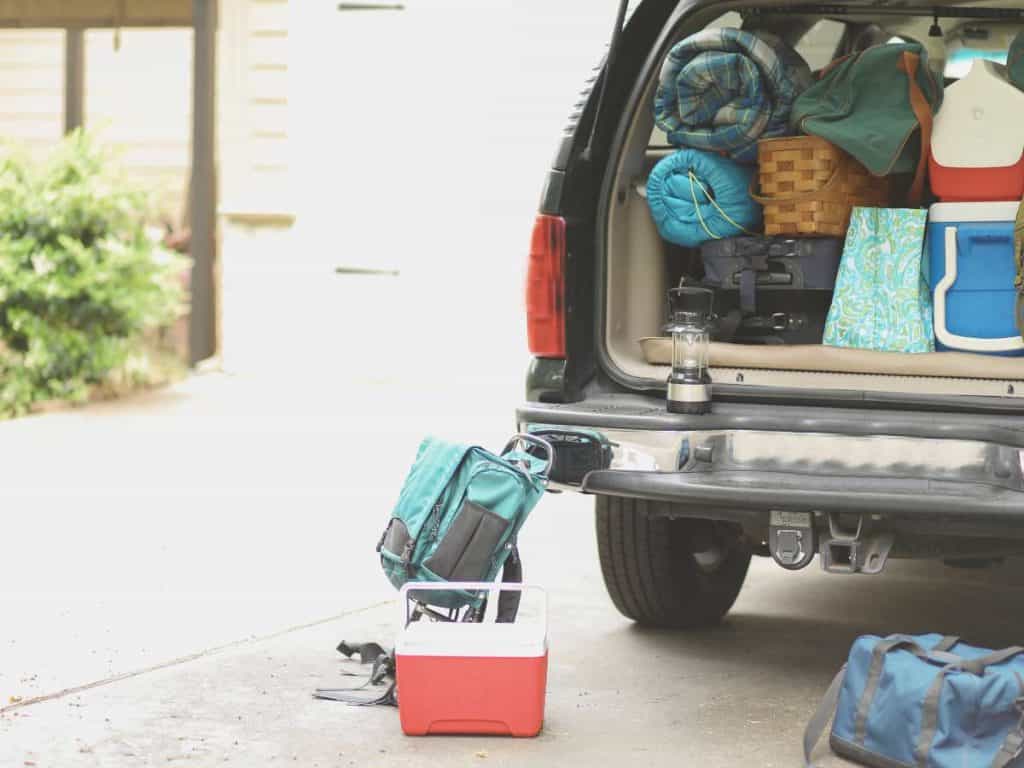
Try to keep it light. Not ultralight like the serious hikers who weigh their toothbrushes, just sensible. Every extra thing you bring is one more thing to unpack, repack, trip over, or forget when you leave. There’s a strange joy in realising how little you actually need. Believe it or not, there’s a community of die-hard camping enthusiasts who pride themselves on actually camping without a car, so if they manage to pack everything they need, you can certainly fit all the essential camping gear (and more!) in the boot of your car.
If you’re camping with friends, share the load. One person brings the stove, another brings the pan, someone else brings the teabags. You’ll save space, and it gives you an excuse to make fun of whoever forgets their bit.
It also helps to pack smart for weather and emergencies. Keep a small dry bag for things that shouldn’t get wet, like clothes or electronics. A bin bag works fine too if you’re not trying to impress anyone, and always have a plan for where the muddy stuff goes on the way home.
By your third or fourth trip, you’ll start to find a rhythm. You’ll know which things you never use and which ones you always miss. The kit bag will get smaller, the car boot less chaotic, and you’ll stop feeling like you’re moving house every time you go away.
Camping gets better the simpler you make it. Less packing, more space for the good bits – the crackle of the fire, the quiet before sunrise, the first sip of something warm in the morning. The real essentials aren’t the ones you pack; they’re the ones that happen once you’ve stopped worrying about your gear.
Frequently Asked Questions
What’s the most common mistake beginners make when packing for a camping trip?
Overpacking. It’s almost universal. People bring too much, forget the useful stuff, and spend half the trip rummaging through chaos. Start small, test what works, and refine from there. Every trip teaches you what you don’t actually need.
Do I need to buy expensive camping gear right away?
Not at all. Borrow what you can for your first few trips and see what matters to you. Some people splurge on sleeping bags, others care more about a good chair or stove. It’s better to camp a few times and learn what you value than to spend a fortune guessing.
How do I keep my gear dry if it rains?
Pack smart. Keep clothes and electronics in dry bags or even bin liners if you’re on a budget. Store them inside your tent, not the porch area, and keep a separate bag for wet stuff. A small tarp over your cooking area can also make life a lot easier.
What’s the best way to stay warm at night?
Layer up before you get cold, not after. Wear dry socks to bed, use a decent sleeping mat for insulation, and don’t breathe into your sleeping bag – it just makes it damp. A hot drink before bed also helps more than you’d think.
How can I make camping meals easier?
Plan simple food. Things you can cook in one pot and eat straight from it. Pre-cook or pre-chop anything you can at home, and always have a backup meal like noodles or soup for when the weather or your energy runs out.
How do I know if a campsite is beginner friendly?
Look for ones that mention hot showers, flat pitches, and easy parking. If they list “basic facilities” or “wild experience”, that usually means you’ll be doing more of the work yourself. Nothing wrong with that, but it’s nice to ease in gently.
What should I do before I leave the campsite?
Leave no trace. Pack out every bit of rubbish, check the ground for stray tent pegs, and make sure your fire is fully out. A quick walk around before you go is all it takes. The best campers are the ones who leave a place looking untouched.
Final Thoughts: Gear Won’t Make the Trip, You Will
It’s easy to get caught up in the gear. The shiny stuff, the new releases, the endless lists that make it seem like you’re one purchase away from the perfect camping trip. But the truth is, no piece of kit will make you love being outdoors. That part comes from you.
You could have all the best equipment money can buy and still have a miserable time if you’re glued to the weather forecast or stressing about things not going perfectly. Or you could have an old tent, a creaky chair, and a second-hand stove, and still find yourself sitting under the stars thinking it might just be the best night you’ve had in months.
What makes a camping trip special isn’t the gear, it’s the moments that sneak up on you. The quiet satisfaction of getting the fire going on the second try. The sound of rain tapping on your tent while you’re warm inside. The first sip of coffee when the world’s still half asleep. The laughter that happens for no reason around the campfire. Those are the bits that stick.
I still remember one of my first trips. Everything went wrong. The tent leaked, the matches got damp, and I dropped the sausages in the dirt. I went to bed cold and slightly defeated. But in the middle of the night, I woke up, poked my head out of the tent, and saw the clearest sky I’d ever seen. It was like the universe had decided to apologise, and in that moment, everything made sense. It wasn’t about comfort or gear or doing it perfectly; it was just about being there.
So yes, bring the essential camping gear. Choose wisely, pack smart, and be prepared, but don’t overthink it. The best camping trips aren’t about having every item on a checklist. They’re about showing up, getting outside, and letting the chaos and beauty of it all remind you that simple things can still make you feel alive.
If you can remember that, you’ve already got the most essential piece of camping gear there is – the willingness to go.
