
Sleeping under the stars is magical – until you wake up barely able to stand. If you’ve ever suffered through a camping trip with back pain, you know how important the right mattress is. This guide is here to change that. Whether you’re a side sleeper, wild camper, or weekend warrior, this post will help you wake up refreshed and ready to roam.
I’ve dealt with back issues for years, and sleeping on the ground has often been the tipping point. Waking up tight and achy is one thing, but the lingering stiffness that hangs around for days after a trip is another. A good camping mattress doesn’t magically fix a bad back, but the difference a thick, supportive mat makes is honestly night and day.
If you suffer from back pain, the best camping mattress will prioritise proper support, spinal alignment, and insulation from the ground. In the UK, that usually means avoiding thin foam pads and cheap blow-up mats, and looking instead for a mattress with at least 7.5 cm of thickness and an R-value of around 3.5 or higher. Popular options include the Therm-a-Rest NeoAir Topo Luxe for comfort, the Exped MegaMat 10 for reliable self-inflating support, and the Klymit Static V Luxe for side sleepers.
We’ll cover what causes camping-related back pain, how to choose the right mattress, top UK picks for 2026, sleep posture tips, mattress type comparisons, frequently asked questions, and what else you can do to prevent pain while camping. This is your all-in-one resource for comfortable outdoor sleep.
Contents
- What Causes Back Pain While Camping?
- Do You Really Need a Special Mattress for a Bad Back?
- How to Choose a Camping Mattress for a Bad Back
- Best Types of Camping Mattress for Back Support
- UK-Specific Buying Advice: Where to Shop and What to Know
- Real-World Use: What’s Right for You?
- Tips to Make Any Camping Mattress More Back-Friendly
- Best Camping Mattresses for Bad Backs (UK 2025 Picks)
- Bonus Tips for Sleeping Comfortably with a Bad Back
- Camping Cots: Are They Worth It?
- Final Thoughts: Sleeping Well in the Wild
- FAQs
What Causes Back Pain While Camping?
Back pain while camping is usually caused by a combination of three main factors:
- Uneven or overly firm ground beneath you
- Poor spinal alignment, especially if your hips or shoulders sink or twist during the night
- Inadequate warmth from the ground, which can lead to muscle tension and stiffness
When you’re sleeping at home, your mattress absorbs a lot of small imperfections. However, in a tent, every lump, slope, or cold patch is amplified. If you already deal with lower back pain, sciatica, or general stiffness, the wrong sleeping setup can quickly turn a mild issue into something that lingers long after the trip ends.
Thin foam mats and cheap airbeds are a common culprit. They often feel acceptable at first, but overnight they compress, lose shape, or provide no real structure. The result is pressure building around the hips and shoulders, your spine falling out of alignment, and cold seeping up from the ground, all of which your body compensates for while you sleep.
Other common contributors include:
- Pitching your tent on sloped, rocky, or uneven ground
- Overinflating an air mattress, making it too rigid to adapt to your body
- Sleeping without a pillow, or without any support under the knees or between the legs
- Sitting hunched around camp for hours before bed, then expecting your back to recover overnight
Choosing the right camping mattress isn’t just about comfort. It’s about giving your body enough support and insulation to rest properly, so small aches don’t turn into full-blown flare-ups by the time you pack up and head home. For a medical overview of common causes of back pain, visit the NHS Back Pain page.
Do You Really Need a Special Mattress for a Bad Back?
Most camping mats are designed to be lightweight and packable – not necessarily good for your spine. That’s a problem. Because when you’re outdoors, your mattress becomes the only thing between your body and the ground. And if that mat doesn’t provide adequate support, your back will let you know about it.

Sleeping directly on hard ground or a thin foam pad can increase pressure on your hips, shoulders, and lower spine, especially if you’re a side sleeper. That uneven pressure can compress spinal discs, throw your posture out of line, and trigger muscle tension that lingers all day.
The NHS estimates that around 80% of adults in the UK will experience back pain at some point. And poor sleep – particularly on unsupportive surfaces – only makes matters worse. Chronic pain, interrupted rest, and inflammation are a recipe for misery, especially when you’re trying to enjoy the outdoors.
Choosing the best camping mattress for a bad back isn’t just about comfort. It’s about protecting your spine, reducing stiffness, and waking up refreshed enough to enjoy the views you came for. The good news? There are mats out there that do just that – and they’re not always expensive.
How to Choose a Camping Mattress for a Bad Back
Not all camping mats are created equal. Here’s what to look for if you’ve got a sensitive spine or chronic back pain – and what to avoid.
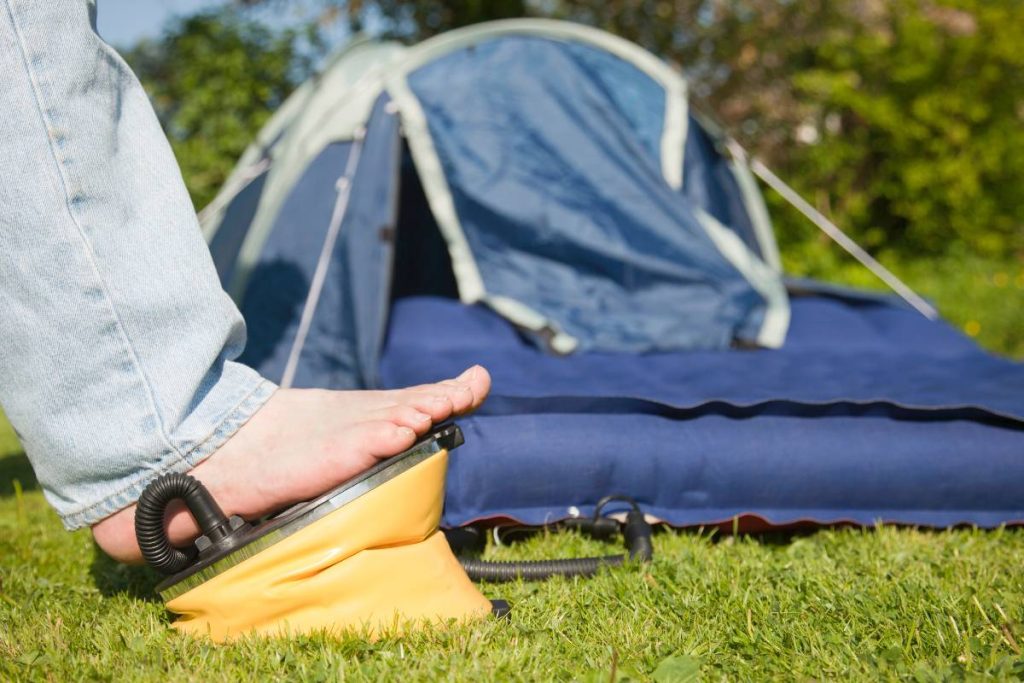
Firmness & Spinal Alignment
A firm sleeping surface is essential for keeping your spine in a neutral position – especially when lying on your back. Too soft, and your hips or shoulders will sink in unevenly, curving your lower back. Too hard, and pressure points form that keep you tossing and turning. The goal is balance: support with just enough give.
Materials: Foam, Air, Hybrid
Memory foam and self-inflating pads contour to your shape and spread your weight evenly. Closed-cell foam is ultra-durable and supportive, but can feel hard on its own. Hybrid air-foam mats combine adjustability with structure, which is ideal for variable terrain and personal comfort tweaks.
Thickness and Density
Generally, thicker mats (5–10cm or more) offer better comfort – especially for side sleepers or those with wider frames. But thickness alone isn’t everything; density matters too. A thick but floppy mattress won’t hold your body correctly. Look for mats with internal baffles or structured cores to keep everything aligned.
R-Value and Warmth
Cold ground equals stiff muscles. Even in summer, UK soil can sap your body heat overnight. A mattress with an R-value of 3.5 or above is recommended for three-season camping. For winter or chronic pain sufferers, aim for 4–5+. Staying warm = staying loose.
Durability and Deflation
Few things ruin a night faster than a mattress that deflates at 2 a.m. Cheap PVC air beds are notorious for this. Instead, go for a camping mattress with proven longevity, reinforced seams, and quality valves. Field-tested brands with good warranties are worth the investment.
Best Types of Camping Mattress for Back Support
Let’s walk through the main categories of camping mattresses, looking at what works (and what doesn’t) for back pain.
Self-Inflating Mats
Self-inflating mats (like the Therm-a-Rest Trail Pro or Vango Comfort series) offer a nice middle ground between convenience and support. They’re usually made from open-cell foam that expands when unrolled, topped with a durable outer shell. These provide reliable cushioning and a firmer feel than standard air mats, which helps prevent spinal sagging.
The downside? They’re often bulky and; not ideal if you’re camping without a car.
Closed-Cell Foam Pads
Think of pads like the Exped FlexMat Plus or Therm-a-Rest Z Lite Sol. These are firm, ultralight, and almost indestructible. While not plush, they’re great for layering – either under another mat for extra insulation and firmness or as a standalone solution for minimalist sleepers.
On their own, they’re a bit hard for side sleepers or bony frames. But for back sleepers or wild campers, they’re an excellent base.
Hybrid Air Mattresses
Premium mats like the Sea to Summit Comfort Plus or Nemo Tensor use multiple air chambers and internal baffles to create a more supportive, even sleeping surface. These can be tuned for personal comfort by adjusting air levels – a huge plus for people who need a very specific firmness.
They pack down small, inflate quickly, and balance weight with structure better than most. Just make sure you go for models with good insulation and proven reliability.
Car Camping Luxury Mats
If you’ve got the boot space, thicker foam beds (like the SIM Comfort 10 or Outwell Dreamboat) are game-changers. These are essentially camping beds – thick, wide, plush, and designed for maximum comfort. Ideal for festivals, family trips, or anyone who doesn’t need to carry their gear far.
They’re not cheap or lightweight, but for bad backs? Often unbeatable.
Backpacker-Friendly, Spine-Safe Options
Those of you interested in lightweight camping aren’t out of luck. Brands like Therm-a-Rest and Sea to Summit offer 5cm+ air-core mats with decent R-values and low pack weight. Look for mats with longitudinal baffles (which resist bowing) and non-slip surfaces. The Therm-a-Rest NeoAir Topo Luxe is a good example of balancing comfort and portability.
A Word of Caution on Ultralight Pads
Ultralight mats may save grams, but they can cost you comfort – and sanity. Mats under 5cm thick or lacking internal support tend to collapse under pressure points. They’re best suited for short-term use or those without spinal issues. If your back’s sensitive, skip the weight savings and protect your sleep instead.
UK-Specific Buying Advice: Where to Shop and What to Know
If you’re buying in the UK, you’ve got a solid mix of online retailers, in-store options, and local brands worth exploring. Knowing where to shop and what to expect in terms of sizing, returns, and availability can make the process far smoother.

Where to Buy Camping Mattresses in the UK
Some of the most reliable places to buy include:
- Cotswold Outdoor: Known for quality stock, in-store testing, and knowledgeable staff.
- Alpkit: UK-based with affordable yet high-performance gear, including camping mats, foam pads, and accessories.
- Decathlon: Ideal for budget-friendly options and decent returns if things don’t work out.
- Amazon UK: Huge range, but check seller ratings and warranty terms.
Most of these retailers offer free returns or flexible trial periods. Don’t be afraid to test a mat at home – even if it means inflating it in your lounge for a test nap.
UK and EU Brands with Good Customer Service
Some standout brands with excellent UK support include:
- Therm-a-Rest (distributed through Cascade Designs UK)
- Exped (Swiss brand with strong UK distribution)
- Alpkit (homegrown UK brand with solid warranties)
- Vango (Scottish brand with good value for money)
These brands typically offer generous warranties, repair options, or replacements if a valve fails or something deflates prematurely.
Watch Your Sizing – Especially for Taller Campers
Many “regular” length mats are 180cm or shorter. That’s fine for most people under 5’9″, but if you’re taller – or suffer from lower back pain – your heels may hang off the end. This slight dip can strain your hips or spine.
Go for long or wide models where needed. A mat that’s too small can be just as problematic as one with poor padding.
Stock Awareness
Popular models often go out of stock around spring and summer. If you’re shopping during peak season, don’t hesitate. Some top models are seasonal and disappear fast – especially larger sizes or extra-insulated versions. Keep an eye out for restock notifications or check second-hand groups for lightly used mats.
Real-World Use: What’s Right for You?
The perfect camping mattress for a bad back isn’t one-size-fits-all. It depends not just on your pain level or posture, but how and where you camp. Below are common camper profiles and the types of mats that typically suit them best:
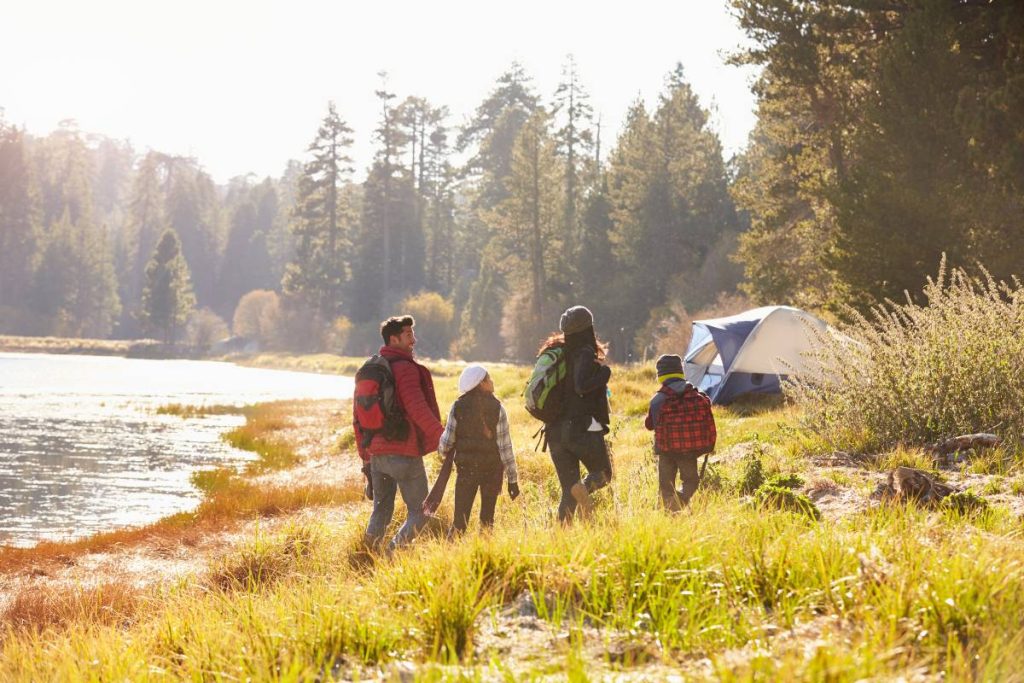
For Wild Campers
If you’re trekking deep into the fells or pitching up off-trail, you need a mat that’s light, durable, and failsafe. Foam pads like the Exped FlexMat or Therm-a-Rest Z Lite are ideal – no puncture risk, no deflation drama. They’re not the plushest, but when paired with good posture and a flat pitch, they’re incredibly reliable.
Hybrid mats with low-profile valves and quiet fabrics, like the Sea to Summit Ether Light XT Insulated, also work well if you’re willing to carry a few extra grams for comfort.
For Car Campers
If your back needs serious cushioning and you’re not lugging it far, the world opens up. Look at luxury options like the Therm-a-Rest MondoKing or SIM (self-inflating mattress) models from Outwell and Vango. These often rival guest beds in comfort and roll up to boot-sized packs.
You can even layer foam under an air mat for a dual-structure sleep system: support plus softness.
For Festival Campers
Short trips, long days, and not much sleep? You’ll want something affordable, fast to inflate, and dependable. Consider a self-inflating mat that doesn’t require a pump (nobody wants to be huffing air after three pints).
Alpkit’s Cloud Base or Decathlon’s Quechua SIMs are great for this use – decent padding, packable size, and no heartbreak if it gets lost or damaged.
For Chronic Pain Sufferers
If your back pain is persistent or severe, every bit of support matters. You’ll want something at least 5–7cm thick, with some memory-foam-like structure to cradle pressure points. Self-inflating mattresses with internal foam cores or hybrid mats with stabilising chambers are best.
Look for options that allow micro-adjustment of firmness so you can fine-tune your comfort.
For Side vs. Back Sleepers
Your sleeping position plays a huge role. Side sleepers tend to need more cushioning at hips and shoulders. Look for thicker mats with zone support or higher R-values to prevent cold spots, which stiffen joints.
Back sleepers benefit from firmer, flatter surfaces with good lumbar support. Avoid mats that sag or bow at the middle – they can leave your hips sunken and your spine out of line.
Tips to Make Any Camping Mattress More Back-Friendly
Even the best camping mattress needs some help now and then – especially when your back is fussy. Fortunately, there are plenty of tweaks and upgrades that can turn a decent mat into something that feels like your bed at home (or close enough).
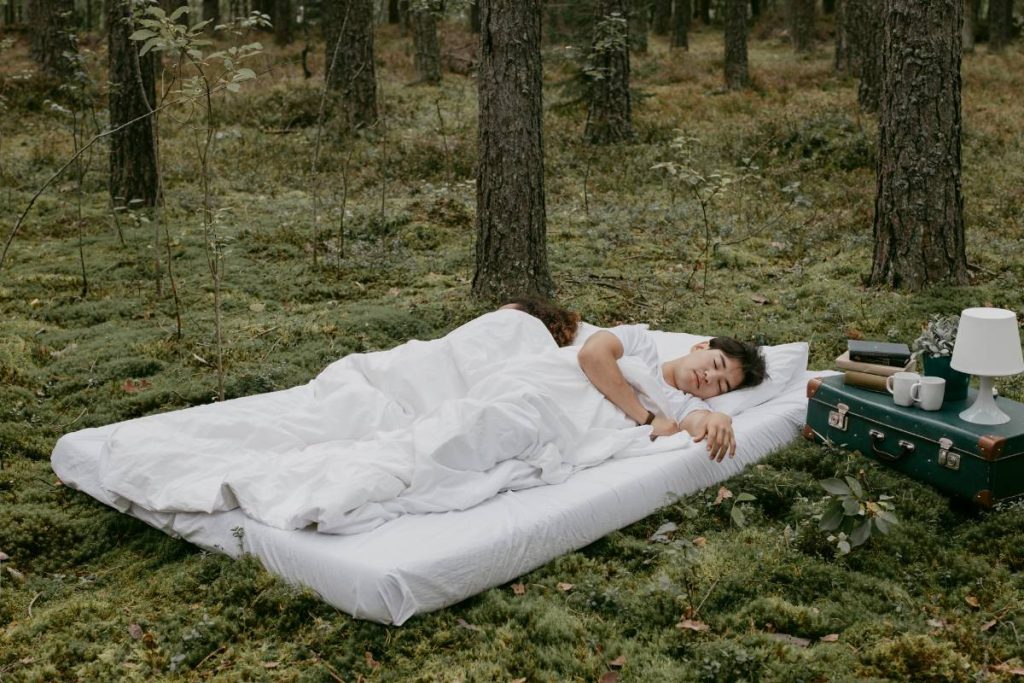
Add a Foam Layer or Tarp Underneath
Most camping injuries and discomfort stem from two things: uneven ground and cold creeping up from below. If your mattress is too thin or soft, placing a closed-cell foam mat or yoga mat underneath helps increase insulation and firmness. It also reduces pressure points and evens out rough ground.
This is especially useful with ultralight or budget air mats, which tend to sag or shift during the night.
Don’t Ignore Your Sleeping Bag
Your sleeping bag can also affect how your back feels overnight. A bag that’s too tight can restrict movement and force you into awkward positions, while a poorly insulated bag can leave you cold, which can cause muscle tension and stiffness.
If you suffer from back pain, it’s usually worth choosing a sleeping bag that offers enough room to move naturally and provides proper insulation for UK conditions. Staying warm helps muscles relax and recover overnight. If you’re unsure what to look for, our guide to choosing the right sleeping bag for camping goes into this in more detail and pairs well with the mattress advice in this post.
Pair with the Right Pillow
Neck alignment plays a big role in spinal comfort. Many campers either skip the pillow or stuff a hoodie under their head – not ideal if you’re dealing with back pain. A proper camp pillow (like the Therm-a-Rest Airhead or a foam-backed model) keeps your neck neutral and prevents tension from radiating down your spine.
If you’re a side sleeper, you may also benefit from placing a small rolled towel or inflatable cushion between your knees to support hip alignment.
Sleep Smarter, Not Harder
Your sleeping position matters more than you think. If you’re on your back, aim to lie flat with legs extended and a small support under your knees. This reduces pressure on the lower spine. If you sleep on your side, bend your knees slightly and keep your hips stacked.
Avoid stomach sleeping altogether – while it feels comfy at first, it twists the spine and stresses the neck.
Let It Settle Before Judging
Some air or self-inflating mattresses need time to fully expand and settle. If you inflate it, lie down immediately, and find it unsupportive, wait 10–15 minutes. Air disperses and foam expands more evenly over time, especially in colder temperatures.
Adjust the firmness after settling – slightly under-inflated mats often contour better to your body than rock-solid ones.
Level Out the Ground
Even the best mattress will struggle if you’ve pitched on a slope, lump, or root. Before setting up, lie down and test the surface. If it’s uneven, use your backpack, dry bag, spare clothing, or foam pad to raise low spots.
Pro tip: A large plastic sheet or ground tarp (cut to mat size) also helps protect your mattress from abrasion and moisture while evening out dips in the soil.
Best Camping Mattresses for Bad Backs (UK 2026 Picks)
Now that we’ve covered what matters – firmness, structure, materials, dimensions and pretty much everything else – let’s look at the camping mattresses that actually deliver. All of these are available in the UK, offer strong back support, and suit a variety of camping styles. All prices are accurate at the time of writing but it’s worth shopping around for discounts if possible.
Therm-a-Rest Trail Pro
- Self-inflating foam core with high-density support
- R-Value: 4.4 (great for 3-season use)
- Thickness: 7.6 cm
- Weight: 820g (regular size)
- Price: £130
- Check the current price on Amazon
This is a favourite for a reason: it’s warm, comfortable, and supportive without being too bulky. The self-inflating design is reliable and provides enough structure for side or back sleepers. Great for car camping or multi-day hikes where weight isn’t the top concern.
Sea to Summit Comfort Plus Insulated
- Dual air chamber design for custom firmness
- R-Value: 4.0
- Thickness: 6.3 cm
- Weight: 890g
- Price: £200
- Check the current price on Amazon
This hybrid air mat balances weight, warmth, and spinal support beautifully. You can inflate the top and bottom layers separately, so if one side leaks, you still have cushioning. Ideal for backpackers who don’t want to compromise on comfort.
Exped FlexMat Plus
- Closed-cell foam with extra thickness
- R-Value: 2.2
- Thickness: 3.8 cm
- Weight: 720g
- Price: £50
- Buy from: Exped UK
If you want bombproof simplicity, the FlexMat Plus is hard to beat. No risk of punctures, minimal setup, and decent insulation. It’s not luxurious, but if you pair it with a softer top layer or an insulated blanket, it’s a rugged, spine-safe option.
Vango Shangri-La II 10
- Luxury memory foam style roll-up mat
- R-Value: 8
- Thickness: 10 cm
- Weight: 3.3kg
- Price: £150
- Check the current price on Amazon
For car campers or anyone with serious back issues, this is a dream. It’s bulky but incredibly comfortable. The foam expands automatically, and the 10 cm thickness feels more like a bed than a camping mat. A top pick for festival-goers or longer stays.
Decathlon Quechua Inflatable Mattress Ultim Comfort
- Hybrid design with air and supportive foam
- R-Value: N/A (approx. 3-season)
- Thickness: 8 cm
- Weight: 2.9kg
- Price: £100
- Buy from: Decathlon UK
A good mid-range option with decent firmness and a built-in pump. While not as high-end as Therm-a-Rest or Sea to Summit, this is perfect for occasional campers who still want proper back support.
Bonus Tips for Sleeping Comfortably with a Bad Back
Even with the right mattress, a few small setup choices can make a surprising difference to how your back feels in the morning. These are the kinds of tweaks that are easy to overlook, but they often matter more than buying yet another piece of gear.
- Use a rolled-up towel or pillow for support.
If you sleep on your back, placing something under your knees can take pressure off the lower spine. Side sleepers usually do better with support between the knees to keep the hips level. It’s a simple trick, but it can stop that deep ache you feel when you first stand up. - Do a few minutes of gentle stretching before bed.
Nothing intense, just enough to loosen the lower back and hips after a day of walking, sitting, and crouching around camp. Going to sleep already tight is a recipe for waking up worse. - Be picky about where you pitch.
A slight slope or uneven patch might not feel like much when you’re tired, but eight hours of sleeping at an angle adds up. Taking a few extra minutes to find flatter ground is often worth it. We go into more detail on this in our guide to choosing a campsite. - Don’t overinflate your mattress.
This catches a lot of people out. A rock-hard air mat looks supportive, but it usually creates pressure points and forces your spine into awkward positions. Slightly under-inflated mats tend to conform better to your body. - Consider a thin foam topper if you’re sensitive to pressure.
Some people find that adding a lightweight foam layer on top of an air mat smooths out pressure points without adding much bulk. It’s not essential, but it can help if you’re particularly sensitive. - Elevate your legs slightly on rough ground.
Even a small lift under the calves or knees can reduce lower back tension if the ground isn’t perfectly flat. It’s a small adjustment, but one that can make mornings noticeably easier.
For visual examples of sleep posture and simple gear setups, this YouTube guide on sleeping better outdoors is worth a look if you’re unsure how to position things properly.
Camping Cots: Are They Worth It?
Camping cots lift you off the ground entirely, which immediately removes a lot of the problems that trigger back pain while camping. There’s no uneven ground pressing into your hips, no cold seeping up from below, and no need to lower yourself all the way down to floor level at the end of the day.
For people with more serious or persistent back issues, a cot paired with a thin air mat or foam pad can work extremely well. The cot provides firm, sag-free support, while the mat adds a small amount of cushioning and insulation. That combination is often far more beneficial than sleeping directly on the ground, especially over multiple nights.
The trade-offs are hard to ignore, though. Cots are bulky, heavier than most mats, and take up more space in the car or tent. On their own, they can also feel cold, so adding some form of padding is almost essential in the UK.
Best for: campers with ongoing back problems, anyone recovering from injury, older campers, or those who struggle getting up from the floor.
Less ideal for: backpacking, wild camping with long carries, or trips where pack size really matters.
If space and weight aren’t major concerns, a camping cot can be one of the most back-friendly sleeping options available. It’s not the most elegant solution, but for the right person, it can be a very effective one.
Final Thoughts: Sleeping Well in the Wild
Back pain and camping aren’t mutually exclusive. With the right gear – and a little prep – you can sleep soundly under the stars without waking up in agony. Whether you’re heading to the Highlands, a music festival, or just your local campsite, investing in a mattress that supports your spine will pay off every night you use it.
Don’t settle for supermarket inflatables or ultralight pads designed for teenage spines and mountain marathons. If your back’s been through a few decades (or just a few injuries), give it what it deserves: proper alignment, pressure relief, and real rest.
After all, the whole point of escaping to nature is to come back feeling better, not worse.
Ready to pick your next sleep setup? Browse through the recommended mats, check your sleeping style, and make sure your next trip leaves your back better off – not bent out of shape.
FAQs
Is it really worth buying a more expensive camping mat for back support?
Yes – especially if you camp more than once a year or suffer from chronic pain. Higher-end mats typically use denser foam, better structural design, and more reliable materials. That translates directly into better spinal support and fewer wake-ups during the night.
A £100 – £150 mat may feel expensive, but it beats needing physio after every camping trip.
What’s the ideal firmness for back pain?
Medium-firm tends to work best. Too soft, and you’ll sink and sag. Too hard, and pressure builds up in your hips and shoulders. Mats like the Therm-a-Rest Trail Pro and Sea to Summit Comfort Plus strike a great balance, especially for side or back sleepers.
Is memory foam good for camping?
In the right context, yes. Memory foam offers excellent pressure relief and contouring. But it’s bulky and heavy, which makes it better suited to car camping rather than backpacking. Look for hybrid designs that include a layer of memory foam over a supportive base.
Can I just put extra foam or a yoga mat under my air bed?
Absolutely. In fact, this is a common workaround. Adding a closed-cell foam pad or yoga mat beneath an inflatable bed provides insulation, flattens out dips, and adds extra support – especially if your main mat is thin or overly soft.
What if I already own an ultralight mat that hurts my back?
You can try pairing it with a foam underlay, using it on top of soft ground (like grass or sand), or even putting clothing or spare gear underneath to create more structure. But if you’re waking up stiff every time, it’s probably time to upgrade.
What size mattress should I get?
Aim for a pad that supports your entire body from shoulders to ankles. Standard-length mats (usually 180 – 185cm) work for most people under 6 feet, but taller campers should consider long versions (up to 200cm). Width also matters – narrow mats force you into awkward postures. If in doubt, size up.
Can I return a camping mat if it’s uncomfortable?
In many cases, yes – especially if you buy from UK retailers like Cotswold Outdoor, REI (US), or Decathlon. Always check return policies, and test the mat indoors first if you’re unsure. Some brands even offer satisfaction guarantees for 30 days or more.
Do I need a pillow?
Yes. A supportive pillow or rolled-up fleece helps maintain neck alignment, which in turn affects spine positioning.
For more on sleep posture and spinal health, see Physiopedia’s sleeping positions guide.
