
Sleeping on the ground has a bit of a reputation problem.
On one hand, it’s often described as “natural”, something humans have done forever, and therefore not something your back should complain about. On the other, it’s usually the first thing people blame when they wake up in a tent feeling noticeably worse than they did the night before.
If you’re asking yourself “is sleeping on the ground bad for your back when camping” – you’re probably stuck between those two ideas. It sounds like it shouldn’t be harmful, but it doesn’t always feel great either, especially after a full night outdoors.
What makes this confusing is that most advice treats ground sleeping as a single thing, when in reality it isn’t. Sleeping on the ground at home, sleeping on a thin mat in a tent, and sleeping on cold, uneven ground after a long day are all very different experiences for your body.
So rather than framing this as “good” or “bad”, it’s more useful to look at why sleeping on the ground can sometimes cause back pain when camping, and when it’s unlikely to be a problem at all.
Quick answer
Sleeping on the ground isn’t automatically bad for your back when camping, and for most people it isn’t doing any lasting damage. The issue isn’t the ground itself, it’s everything that comes with sleeping on it outdoors.
Hard surfaces don’t spread pressure very well, cold ground stiffens muscles overnight, and camping usually means staying in one position longer than you would at home. Put those together and it’s very easy to wake up feeling sore or tight, even if your back is normally fine.
That doesn’t mean sleeping on the ground is “dangerous”, or that one or two nights will harm your spine. It just means camping conditions make your body less forgiving than people expect.
If ground sleeping does cause problems, it’s usually down to comfort, support, temperature, or fatigue rather than actual injury. And once you understand which of those is affecting you, it becomes much easier to avoid the worst of it.
Contents
- Why Sleeping on the Ground Feels Worse When Camping
- Does Sleeping on the Ground Actually Damage Your Back?
- Why Some People Say Sleeping on the Ground Helps Their Back
- When Sleeping on the Ground Is More Likely to Cause Back Pain
- How to Sleep on the Ground Without Wrecking Your Back
- Do You Actually Need a Camping Mattress?
- Frequently Asked Questions
- Final Thoughts
Why Sleeping on the Ground Feels Worse When Camping
One thing that often gets missed is how little margin for error you have when sleeping on the ground outdoors. Small issues that wouldn’t matter much at home (a slightly awkward position, a cooler room, a firmer surface) can suddenly stack up over a full night.
Pressure is a big part of this, and when there’s no give underneath you, your body can’t subtly offload weight from one area to another. Your hips or lower back might not hurt enough to wake you up, but they stay under low-level tension for hours, and by morning, that tension shows up as stiffness rather than sharp pain, which is why it often eases once you start moving.

Cold quietly amplifies the problem. Even if the air temperature feels fine, the ground pulls heat away from your body all night. Cooler muscles tighten more easily, and tight muscles don’t cope well with long periods in one position. This is why people who already deal with recurring aches tend to notice the effects more, something we’ve covered in more depth in Camping With a Bad Back.
There’s also the recovery angle. Camping usually means longer days on your feet, carrying gear, bending, lifting, and sitting in less supportive positions than normal. When you finally lie down, your body is already asking for recovery, and if the surface underneath you doesn’t help with that, it becomes much more obvious the next morning.
None of this is dramatic or dangerous, but it explains why ground sleeping can feel fine one night and noticeably uncomfortable the next, even for the same person.
Does Sleeping on the Ground Actually Damage Your Back?
This is usually the point where people start worrying about discs, alignment, or whether they’ve done some long-term damage by spending a night on hard ground. The good news is that, for most people, sleeping on the ground while camping doesn’t damage your back in any structural sense.
Waking up stiff, sore, or uncomfortable isn’t the same thing as injury. Muscles, joints, and connective tissue can feel rough after a night of poor support or limited movement, but that doesn’t mean you’ve done any lasting damage. It’s much closer to the feeling you get after a long drive or sitting awkwardly for too long than it is to an actual back problem.
Short-term soreness tends to come from muscle tension and reduced circulation overnight, not from your spine being put “out of place”. Once you start moving, blood flow increases, muscles warm up, and most of that stiffness eases off on its own. That’s a pretty strong sign that you’re dealing with irritation rather than damage.
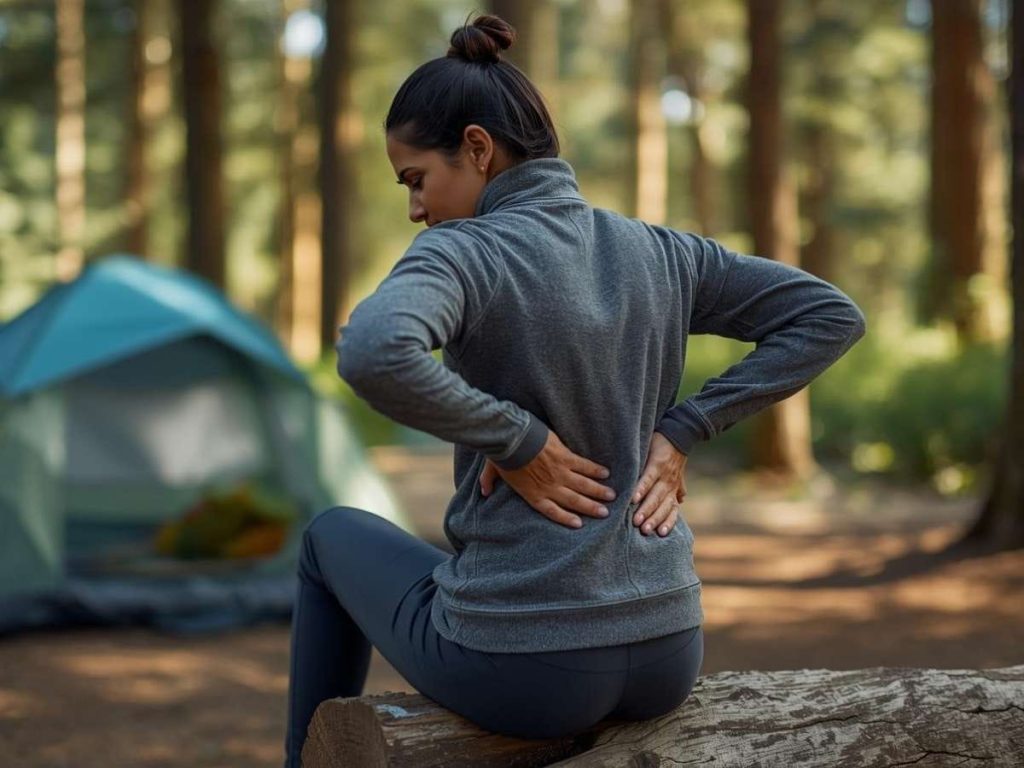
Where people sometimes get confused is when the discomfort lingers. If you already have a sensitive back, or you’ve spent several nights in a row sleeping badly, the soreness can hang around longer and feel more serious than it really is. That doesn’t mean the ground has injured your spine, it usually just means your body hasn’t had a chance to properly recover.
Health organisations are generally very clear on this point too. Back pain and stiffness are common after awkward sleep positions or firm surfaces, but they’re rarely linked to lasting harm. The NHS, for example, consistently emphasises that most back pain improves with movement and time, rather than rest or worry, which lines up well with what most campers experience in the real world.
The main thing to be cautious about is repetition. One uncomfortable night is unlikely to matter much, but several nights in a row with poor support, cold muscles, and limited movement can aggravate existing issues and make everything feel worse than it needs to. That’s where small changes to your setup start to matter, not because you’re preventing injury, but because you’re giving your body a better chance to recover overnight.
So if you’ve ever woken up thinking, “I’ve definitely done something bad to my back”, it’s worth remembering that discomfort doesn’t automatically equal damage. In most cases, it’s your body asking for a bit more support, warmth, or movement, not sounding an alarm.
Why Some People Say Sleeping on the Ground Helps Their Back
If you’ve looked into this topic before, you’ve probably come across people who swear that sleeping on the ground actually improves their back pain. And to be fair, they’re probably not imagining it.
For some people, a firmer surface does feel better than a soft or sagging mattress. If your bed at home dips in the middle, twists your spine slightly, or lets your hips sink too far, moving to something flatter can feel like a relief. In that situation, the ground isn’t helping because it’s “natural”, it’s helping because it’s less bad than what you were sleeping on before.
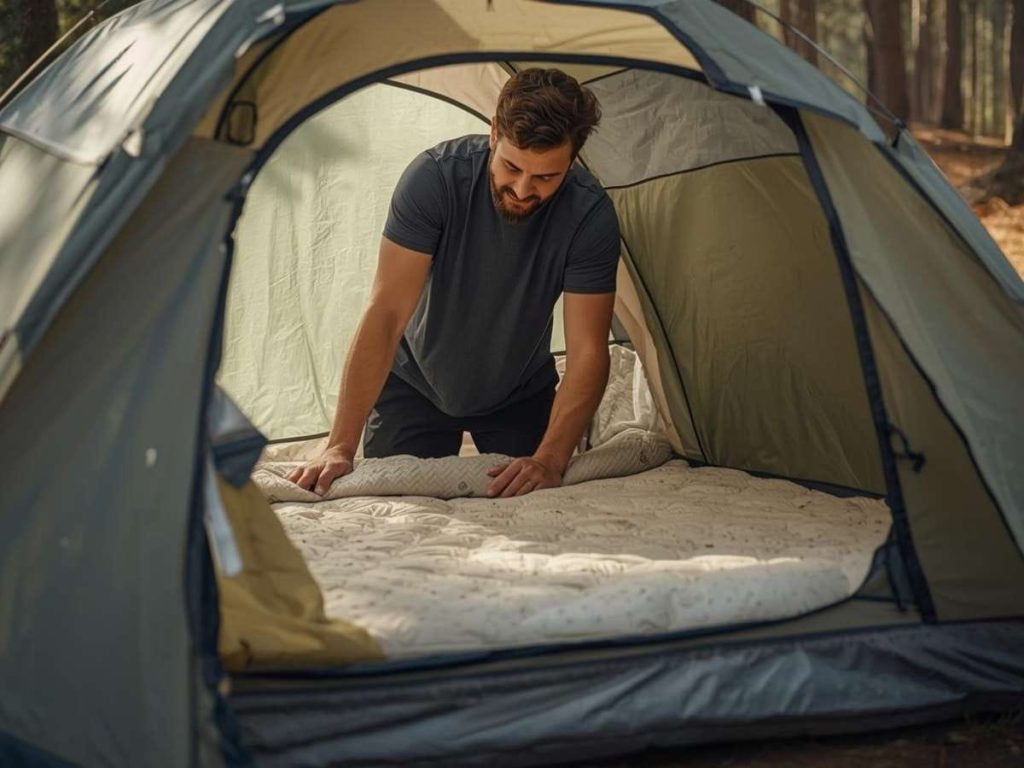
There’s also a positioning element. People who say ground sleeping helps their back often sleep in very specific ways, usually on their back, sometimes with their knees slightly supported, and often without moving much. That can reduce certain types of strain, particularly for people whose pain is aggravated by excessive arching or poor mattress support.
What tends to get lost in these stories is that most of these benefits come from control, not from the ground itself. At home, people can choose the surface, manage the temperature, and fine-tune their sleeping position. Camping takes a lot of that control away, with uneven pitches, cold ground, thin mats, and cramped tents all changing the equation.
It’s also worth noting that people who benefit from sleeping on the ground are often talking about short periods, not night after night on hard, cold surfaces. What feels fine for a single night can feel very different after several days of walking, carrying gear, and sleeping less deeply than normal.
So when you hear someone say that sleeping on the ground cured their back pain, it’s usually true for them, under specific conditions. It doesn’t automatically mean the same approach will work for everyone, especially in a camping setup where comfort and recovery matter more than proving a point.
Understanding that difference helps explain why advice on this topic can sound so contradictory. It’s not that one side is right and the other is wrong, it’s that the context matters far more than most people realise.
When Sleeping on the Ground Is More Likely to Cause Back Pain
For most people, sleeping on the ground while camping is uncomfortable rather than harmful. But there are certain situations where that discomfort is much more likely to show up, or hang around longer than you’d like.
One common factor is how you normally sleep. Side sleepers, in particular, tend to struggle on very firm surfaces. Without enough give under the hips and shoulders, the spine gets pushed out of its usual line for hours at a time. That doesn’t mean anything breaks, but it does make stiffness in the lower back or hips much more likely the next morning.

Another factor is age and general wear and tear. As we get older, joints and connective tissue tend to be a bit less forgiving of long periods in one position. Something you could get away with in your twenties might suddenly feel questionable in your forties, even if your back is generally healthy.
Cold conditions make a big difference too, with cooler nights, damp ground, or even just poor insulation underneath you all increasing muscle tightness overnight. People often assume their back pain is coming from the hardness of the ground, when in reality it’s the combination of firmness and cold that’s causing the issue.
Multi-night trips are another tipping point. One rough night is usually manageable, but several in a row, especially after long days walking or carrying gear, can start to compound the problem. This is why people who move towards lightweight camping often notice a difference, not because lighter gear magically fixes back pain, but because reducing daily strain makes it easier for your body to recover overnight.
Finally, fatigue matters more than most people expect. If you’re already tired, dehydrated, or under-recovered, your body is less resilient. Sleeping on the ground doesn’t suddenly become “bad”, but it becomes less tolerable, and the margin for error shrinks quickly.
None of this means you should panic or give up on camping. It just helps explain why some trips feel fine and others leave you wondering what went wrong, even when you did everything the same.
How to Sleep on the Ground Without Wrecking Your Back
If you do end up sleeping on the ground while camping, the goal isn’t to make it perfect, it’s to make it forgiving, and a few small adjustments can make a much bigger difference than people expect.
The first thing to think about is pressure, not softness. You don’t need something that feels plush, but you do need enough separation between your body and the ground to stop your hips and shoulders taking all the load. This is where many thin mats fall down. They look fine laid out, but once your weight is on them they bottom out quickly, which defeats the point.
Warmth matters just as much as cushioning. Even on mild nights, cold ground pulls heat away from your body for hours. That constant cooling encourages muscle tightness, which is a big reason people wake up stiff rather than rested. Making sure your setup is warm enough overall, including choosing the right sleeping bag for the climate, often does more for morning stiffness than people expect, even if nothing else about their sleeping setup changes.
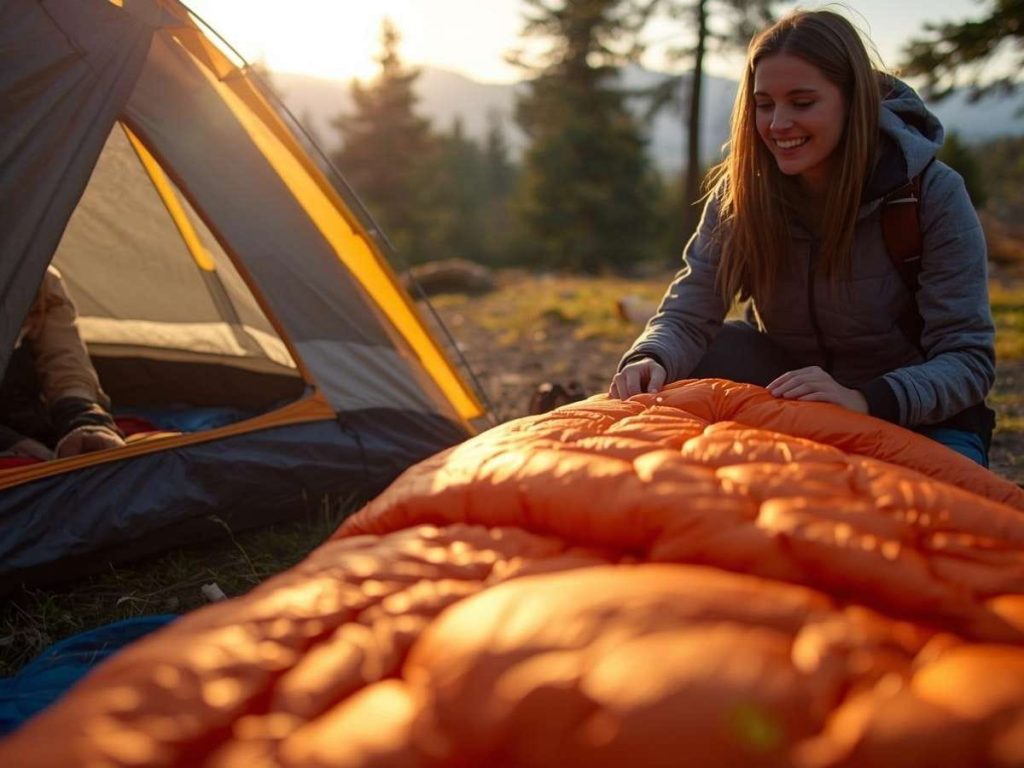
Where you pitch your tent also plays a big role. Slight slopes, hidden bumps, or compacted ground can all push you into awkward positions without you noticing until the morning. Taking a few extra minutes to find flatter ground, or to clear small stones and roots, can save you a lot of stiffness later.
Your sleeping position matters too. If you’re on your side, anything that reduces the gap under your waist helps keep your spine in a more natural line. Back sleepers often find that a small amount of support under the knees reduces tension through the lower back. These aren’t dramatic fixes, but they’re often enough to tip the balance from uncomfortable to tolerable.
Finally, think about the bigger picture. If you’re carrying heavy gear, walking long distances, and finishing the day already tired, your body has less resilience left by bedtime. This is one reason people who simplify their setup, or move towards approaches like lightweight camping, often notice better sleep overall. Less daily strain makes overnight recovery easier, even if the ground itself hasn’t changed.
Sleeping on the ground while camping doesn’t need to be a test of toughness. A bit of thought put into pressure, warmth, and positioning usually does far more for your back than simply trying to “get used to it”.
Do You Actually Need a Camping Mattress?
This is usually where people end up after a few uncomfortable nights. Not because they want luxury, but because they’re trying to work out whether sleeping on the ground is something they should adapt to, or something they should change.
The honest answer is that not everyone needs a camping mattress, but a lot more people benefit from one than they expect. If you’re only camping occasionally, sleeping mostly on your back, and not waking up particularly stiff, you can often get away with a just the essential camping gear and a very simple sleep setup. In those cases, the ground isn’t really the problem, it’s just part of the experience.
Where mattresses start to earn their keep is when comfort and recovery begin to matter more. Side sleepers, people doing multi-night trips, or anyone who notices stiffness lingering into the day often find that even a modest amount of cushioning makes a noticeable difference. It’s less about softness and more about giving your hips and shoulders somewhere to go, so your spine isn’t under the same pressure all night.
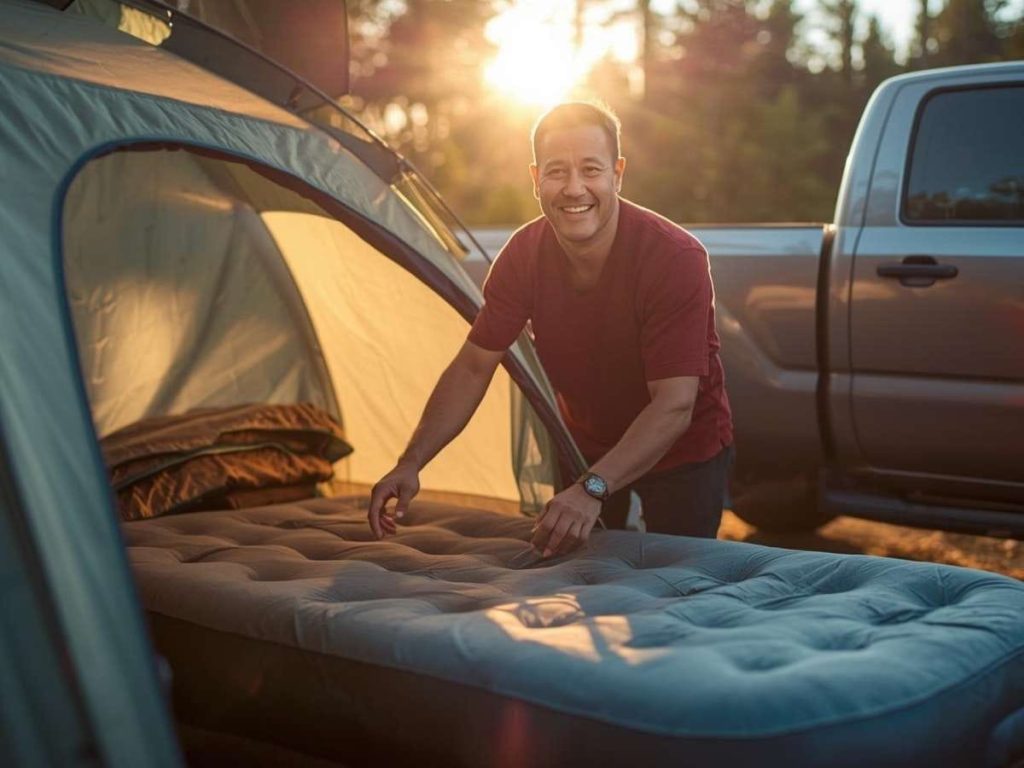
It’s also worth separating thin padding from useful support. A mat that looks fine laid out on the grass can still bottom out once your weight is on it, and that’s why people often feel underwhelmed after upgrading from “nothing” to “almost nothing”. If you’re curious about what actually helps, we’ve broken this down properly in Best Camping Mattress for a Bad Back, without turning it into a gear checklist.
That said, a mattress isn’t a magic fix. If your tent is pitched on uneven ground, your sleeping bag isn’t warm enough, or you’re finishing each day completely exhausted, no amount of cushioning will solve everything. In those situations, improving your overall setup tends to work better than focusing on one piece of gear in isolation.
So do you need a camping mattress? Not always. But if sleeping on the ground consistently leaves your back stiff or sore, it’s often one of the simplest ways to make camping feel sustainable rather than something you just tolerate.
Frequently Asked Questions
Is it OK to sleep on the ground while camping for one night?
For most people, yes. One night on the ground is unlikely to cause anything more than temporary stiffness, even if it doesn’t feel great the next morning. Problems tend to show up when poor sleep stacks up over several nights, especially if you’re already tired, cold, or walking long distances during the day.
If you’re new to camping, focusing on a comfortable overall setup, rather than toughing it out, usually makes a bigger difference.
Why does my lower back hurt after camping?
Lower back stiffness after camping is usually down to a mix of firm ground, limited movement overnight, and cold muscles tightening up. It often feels worse than it is, especially first thing in the morning.
If the discomfort eases once you start moving around, that’s a good sign it’s irritation rather than injury. Lingering pain is more often linked to recovery issues, poor sleep position, or doing more physical work than usual during the day.
Can sleeping on the ground improve posture?
Sometimes, but it’s very situation-dependent. A firm surface can feel better than a sagging mattress for some people, particularly if their bed at home puts them in a poor position. That doesn’t mean the ground itself is fixing posture, just that it’s removing a problem.
Camping conditions make this harder to control. Uneven ground, cold temperatures, and thin mats all reduce the chances of getting consistent, supportive sleep, which is why posture “benefits” don’t reliably translate outdoors.
Is sleeping on the ground worse as you get older?
It often feels that way, yes. As we age, joints and connective tissue tend to be less forgiving of long periods in one position. What once felt fine might now lead to noticeable stiffness the next day.
That doesn’t mean you need to stop camping, but it does mean comfort and recovery start to matter more. Small changes to sleep setup, daily load, and warmth can have a much bigger impact than they did years ago.
Does cold weather make back pain from ground sleeping worse?
Cold plays a bigger role than most people realise. Even when air temperatures feel mild, the ground can draw heat away from your body all night. Cooler muscles tighten more easily, which increases stiffness by morning.
This is why insulation and sleep systems matter just as much as cushioning. Making sure your setup is appropriate for the conditions, including choosing the right sleeping bag, often reduces stiffness more effectively than simply adding extra padding.
Should beginners avoid sleeping on the ground when camping?
Not necessarily, but beginners often enjoy camping more when sleep is comfortable enough that recovery isn’t an issue. If your first few trips leave you exhausted or sore, it’s much harder to judge whether you actually enjoy camping itself.
Starting with a forgiving setup and adjusting later is usually a better approach than starting uncomfortable and hoping your body adapts.
Final Thoughts
Sleeping on the ground while camping isn’t automatically bad for your back, and it’s rarely as dramatic as it can feel first thing in the morning. Most of the discomfort people notice comes from firmness, cold, fatigue, and limited movement rather than any real damage being done.
For some campers, a simple ground setup is perfectly manageable, especially for short trips or occasional nights outdoors. For others, particularly on longer trips or as bodies get less forgiving over time, a bit more support and warmth can make the difference between enjoying a trip and simply enduring it.
The key is to be honest about what your body needs to recover. Camping doesn’t have to be uncomfortable to be “authentic”, and there’s no prize for waking up stiff and miserable if a small adjustment would have helped. Once you understand why sleeping on the ground feels the way it does, it becomes much easier to decide what’s worth changing and what isn’t.
Get the basics right, pay attention to how you feel in the mornings, and you’ll usually find a setup that lets you enjoy being outdoors without your back dominating the experience.
