There’s a moment on almost every camping trip when you lift your pack onto your shoulders and feel the full weight of every unnecessary decision you made while packing. It might happen on your driveway, it might happen ten steps into the trail, but it always happens, and it always brings the same thought – I really didn’t need all of this. Everyone goes through it at some point. You bring things because you think you should, because someone online said it was essential, or because it felt harmless at home when everything was still spread out across the living room floor.
So what’s the answer?
Lightweight camping isn’t a special club or some dramatic shift in identity. It’s just you looking at your pack, realising half of it’s nonsense, and deciding you’d quite like to walk without feeling like you’re hauling a stubborn toddler on your back. You don’t need extreme gear or a spreadsheet. You just need fewer items and the good sense to pack things you’ll actually use instead of the usual collection of “maybe I’ll need these” items that never see daylight.
Lightweight camping means reducing the bulk and weight of your gear so walking, setting up camp and living outdoors feel smoother and less tiring. You still stay warm, you still sleep well, you still eat real food, you just do it without dragging half your belongings into the hills.
The funny thing is that most people only understand the appeal of lightweight camping after they try it once. The difference isn’t dramatic necessarily, it’s just that the trip feels more manageable. You don’t keep shifting the straps on your shoulders, and you don’t spend the whole time thinking about when you can finally take the pack off. The landscape becomes the thing you notice again, not the weight you’re carrying. It’s not about making camping harder, simpler, or more hardcore. It’s just about making the experience feel more like the reason you came outside in the first place.
And once that idea settles, it becomes natural to ask what lightweight camping actually looks like in practice, and why carrying less makes such a difference out in the real world, which is exactly where we go next.
Contents
- Why Go Lightweight? The Real Benefits of Carrying Less
- Choosing a Lightweight Shelter
- Lightweight Sleeping Systems
- Lightweight Cooking Without Losing the Joy of Hot Food
- Smarter Packing for Lightweight Camping
- So What Lightweight Camping Gear Should You Actually Buy?
- FAQs
- Final Thoughts
Why Go Lightweight? The Real Benefits of Carrying Less
Once you’ve had that familiar moment where your pack feels heavier than you remember and you’re quietly questioning every item you stuffed into it, the idea of lightweight camping starts to make sense for obvious reasons. You don’t suddenly have a deep revelation about gear weight, you just realise you’d enjoy the day far more if you weren’t hauling around things you’re not even sure you packed for a reason. And when you do cut that weight down, the difference isn’t subtle. Walking feels less like a chore, your shoulders stop complaining, and you settle into a rhythm without constantly adjusting straps or shifting the load. You look around more, and you stop because you want to, not because you’re knackered.
Not to mention the fact it’s almost essential if you’re camping without a car!
Another reason people warm to lightweight camping is the way it strips out all the unnecessary faff. Heavy camping has this habit of turning simple moments into small projects. Setting up takes longer because you’re digging through bags of gear. Cooking takes longer because you packed three pots and a whole kitchen’s worth of tools. Packing up in the morning becomes a mild crisis where you swear your bag has shrunk overnight. When you cut that down, camp life becomes simple again. You find things quickly, you cook without juggling a thousand utensils, and packing to come home is far less stressful.
Something else quietly improves too – fewer items means fewer decisions. Heavy campers always seem to have a choice for everything and end up thinking about gear far more than the actual trip. Lightweight camping removes all that noise. You bring the things you’ll definitely use and leave the rest at home. The outdoors feels calmer when you’re not treating it like a puzzle you need to solve with equipment. If you’ve read our guide on essential camping gear, you’ll already know how satisfying it is to keep only the bits that actually matter.
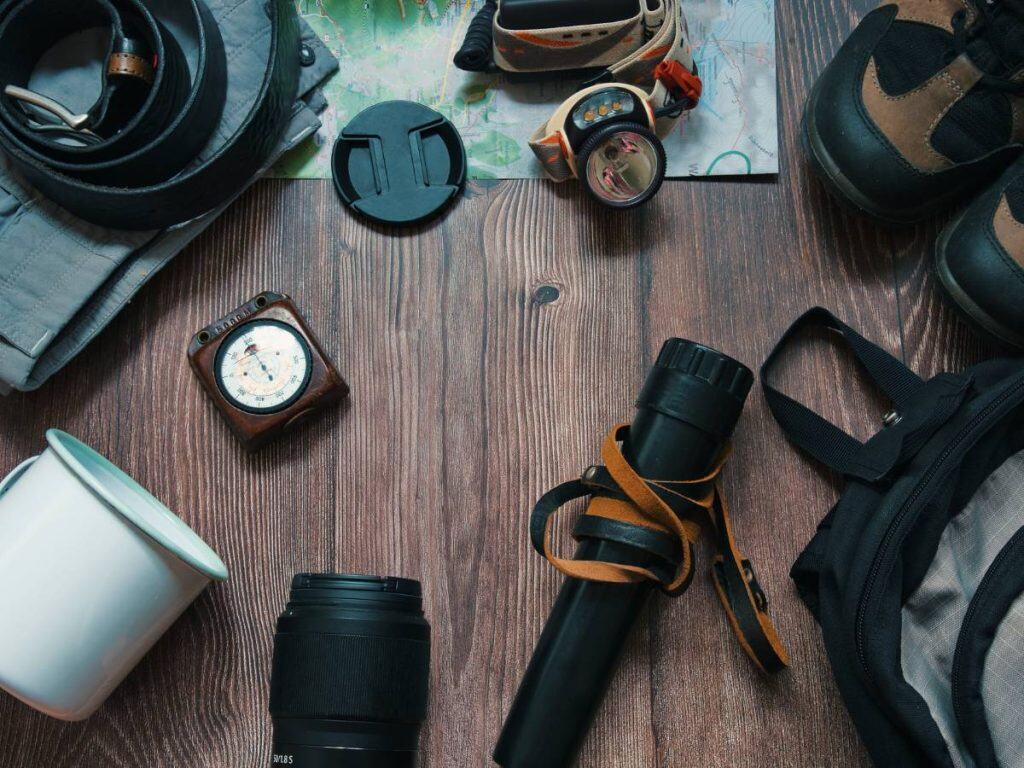
And then there’s the motivation side of it. When everything you own feels heavy, planning a trip starts to feel heavy too. A lighter setup makes the whole idea of going away more appealing. It stops being a mental hurdle and becomes something you’re more likely to do on a whim. My mate Dave is a perfect example. On his first wild camp he brought so much gear he genuinely looked like he was migrating. A full toolkit. Two kettles. Enough clothing to open a market stall. A frying pan fit for a farmhouse kitchen. He meant well, but he spent half the walk cursing objects he didn’t remember packing. Next time, he halved his load and transformed from a sweating mule into someone actually enjoying himself.
And just to put one worry to rest, lightweight camping doesn’t mean discomfort or cutting corners on safety. You’re not trying to prove anything. You’re just choosing gear that makes sense for its weight and leaving the clutter behind. If you ever want a straightforward visual of how pack weight affects energy on the trail, REI has a helpful breakdown of backpack load percentages that puts the whole thing into perspective.
In the end, that’s the real benefit of lightweight camping – it gives more of the trip back to you. You stop focusing on the struggle and start noticing the place you’re actually in. It’s not about shaving grams, it’s about removing distractions so the outdoors feels the way it’s supposed to feel.
And now that the why is clear, the next step is looking at the biggest source of weight in almost everyone’s pack. The shelter.
Choosing a Lightweight Shelter
Shelter is usually where most of the weight hides, and it’s the part of your kit that decides whether the night feels peaceful or something closer to character building, so choosing a lightweight option that still feels comfortable is one of the biggest wins you can get. It’s easy to assume that shaving weight here means making sacrifices you’ll regret, but once you look past the extremes, you’ll find plenty of options that keep you warm, dry and relaxed without feeling like you’re sleeping inside a crisp packet.
A small one person tent is the simplest starting point for most people who want to try lightweight camping without stepping too far from what they already know. These tents don’t give you much extra space, but what they lack in elbow room they make up for in how easy they are to carry and set up after a long day. A good one person tent packs down small, holds up to typical British weather, and still gives you a bit of breathing space to change clothes or sit up without brushing the walls. If you don’t love the thought of being cocooned, a minimalist two person tent often strikes a better balance and only adds a small amount of weight.

Trekking pole shelters take things in a slightly different direction. Instead of using dedicated tent poles, they rely on the walking poles you’re already carrying, which cuts a surprising amount of weight and bulk. They feel a bit odd the first time you pitch one, almost like you’re improvising, but once the structure is up you realise how roomy and practical they can be. They’re not everyone’s first choice, especially in rough weather, but for lightweight camping in decent conditions they make a lot of sense. If you prefer something even simpler, our guide on camping without a tent covers tarps and bivvy bags in much more detail, and it’s worth reading if you want to understand what minimal shelter actually feels like in practice.
Tarps offer the biggest jump in weight savings and the biggest jump in personality. With a bit of practice you can pitch one low and tight for storms or wide and airy for warm nights, and the feeling of waking up under an open sky has its own kind of magic. Tarps aren’t for everyone though, especially if midges, wind or privacy matter to you, so it’s worth trying one on a calm night before you commit to it as your main shelter. Bivvy bags sit at the extreme end of simplicity. They’re brilliant for quick overnights or stealthy pitches, but you lose comfort if the weather turns and you don’t enjoy feeling enclosed.
The key is not to chase the lightest possible option, but the one that matches the way you actually camp. There’s no point shaving half a kilo if you spend the whole night awake and irritated. Choose something you can trust when the weather changes, something you can pitch without thinking too hard, and something that gives you enough space to settle in rather than lying still like a mummy to avoid brushing the walls. A comfortable shelter is the foundation of a good night outside, and a lightweight one just makes the walk there and back feel more enjoyable.
Once you’ve sorted your shelter, the next big piece of the puzzle is the sleeping system, because warmth and rest are where lightweight camping either succeeds or falls apart.
Lightweight Sleeping Systems
Once your shelter is sorted, the next thing that shapes the whole experience is the sleeping system, and this is where a lot of people assume that cutting weight automatically means cutting warmth, or ruining the one part of the night they actually look forward to. What usually happens though, is just that you stop packing bulky items you never use, you choose pieces that work together instead of piling in extras just to feel prepared, and you end up with a setup that feels like it was chosen on purpose rather than thrown together in a mild panic. Lightweight gear doesn’t need to feel basic or stripped back, it just needs to be the stuff you actually rely on once the temperature drops and everything slows down for the night.
Sleeping bags are usually the first thing people look at, and the biggest improvement comes from picking something that matches the conditions rather than whatever happened to be on sale. Quilts are getting popular because they save weight by removing insulation you’d flatten anyway, but you don’t need one to sleep well. A standard three season bag will do the job as long as it fits you properly and isn’t designed for climates you have no intention of visiting. Down bags pack smaller and weigh less, synthetic bags shrug off damp conditions and cost less, and both are perfectly good depending on where you’re heading. The important part is choosing a sleeping bag you’ll actually use instead of chasing a perfect rating that means nothing once you’re out in real weather.

Your sleeping mat matters just as much as the bag, mostly because cold ground steals heat faster than the air ever will. Even the best sleeping bag can’t help you if your hips and shoulders are losing warmth every time you move. Lightweight mats come in all sorts of shapes and thicknesses, and each one has its quirks. Some crackle like crisp packets, some are narrower than you expect, and some are so comfortable you forget you’re on a mat at all. If you’ve ever had back trouble, it’s worth taking a look at our guide to camping mattresses for bad backs, because the difference between a good mat and a cheap foam roll can be the difference between waking up fine or waking up in agony.
If you want to shave off even more weight, pillows are the next place people experiment. A bundle of clothing works until it unravels itself the moment you get comfortable, and a tiny inflatable pillow is great until you forget to let a little air out and spend the night chasing it around your mat. Neither option is perfect, but both will get you through the night, and the right choice usually depends on whether you prefer simplicity or something that feels a bit more like a pillow.
A lightweight sleeping setup is really just a balance of warmth, bulk and what you need personally to sleep well. You’re not trying to sleep in a showroom of gear, and you’re not trying to prove you can rough it. You want a setup that lets you settle in without cold patches, stays steady through the coldest stretch of the night, and doesn’t leave you feeling like you’ve wrestled the ground by morning. Once you find that balance, lightweight camping stops feeling like a compromise and starts feeling like the way you probably should’ve packed in the first place.
And once you know you can sleep well, your thoughts naturally drift to food, because nothing reminds you of the value of a good stove like the moment you realise you’re hungry and still an hour away from camp.
Lightweight Cooking Without Losing the Joy of Hot Food
Cooking is one of those things that feels simple until you’re standing in a field with cold hands, fading daylight, and a stomach that suddenly remembers it hasn’t eaten since lunchtime. This is usually when people discover that their stove setup either makes sense or becomes the latest entry in a growing list of questionable decisions. The good news is that lightweight cooking doesn’t mean going hungry or surviving on dry snacks. It just means choosing gear that works without taking over half your bag.

Most people start with a small gas stove, and for good reason. They’re reliable, easy to light, and don’t need you to spend ten minutes shielding a flame like you’re guarding the last candle on earth. Pair one with a compact pot that doesn’t weigh as much as a brick, and you have everything you need to boil water, make a brew, or throw together one of those meals that tastes far better outdoors than it ever would at home. The trick is avoiding the temptation to bring a full kitchen. You don’t need a frying pan big enough to serve a family of six, and you don’t need a second pot “just in case”. One pot, one stove, and one spoon. Anything more is clutter masquerading as preparation.
Alcohol stoves and solid fuel blocks get a lot of attention from lightweight enthusiasts because they’re tiny and weigh almost nothing, but they do ask for a bit more patience. They’re great for simple meals, especially if you’re the sort of person who enjoys a slower moment at camp, but they’re not the best option if you know you get grumpy when you’re hungry. If speed matters, stick with gas. If weight matters more and you don’t mind a slightly calmer pace, alcohol stoves can be surprisingly pleasant to cook with.
Food choices also matter just as much as the stove. Dehydrated meals are expensive, but they’re unbeatable when it comes to convenience, and on a cold night they taste like a blessing. If you’re not into those, you can build your own simple meals with supermarket ingredients, and half the fun is discovering what works after a long day of walking. Couscous, instant mash, noodles, and sachets of sauce all weigh next to nothing and turn into proper meals with barely any effort. The important thing is choosing food you’ll actually want to eat when you’re tired, not something you packed out of guilt.
A lightweight cooking setup isn’t about suffering or pretending you’re reenacting a survival show. It’s about keeping mealtimes straightforward so you can sit down, eat something warm, and relax without rummaging around for bits you don’t need. Get the basics right and cooking becomes one of the best moments of the trip, not another chore you have to fight through.
Once food’s sorted, the next question is usually about everything else you’re carrying, and that’s where the idea of a simple, lightweight packing strategy starts to make your life noticeably easier.
Smarter Packing for Lightweight Camping
Packing for a lightweight trip isn’t really about planning, it’s about being honest with yourself about what you actually need. Most of us already know the items we never use but keep bringing anyway, usually because we convince ourselves they might finally earn their keep this time. They rarely do. Lightweight camping starts with being realistic about what you actually use in a normal night outdoors, not the imaginary version of yourself who suddenly decides to mend gear at midnight or cook a three course meal in a storm. The moment you stop packing for that person, your bag gets lighter without you buying anything at all.
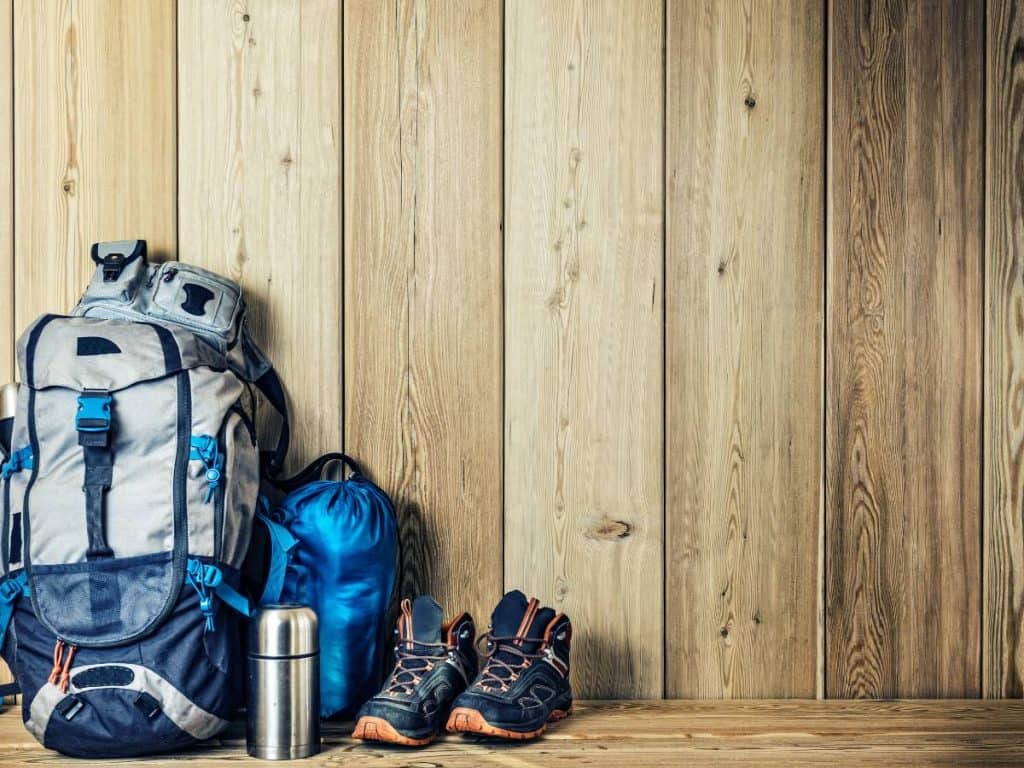
A good way to start is by laying everything out and asking which items genuinely contribute to warmth, shelter, food or safety, because those four things cover almost everything you actually rely on. Anything outside that list should have to justify its existence. Spare clothing is important, but you don’t need half your wardrobe. Tools are helpful, but you don’t need a multitool big enough to service a motorbike. And you definitely don’t need the sort of toiletries bag that looks like you’re moving house. A lighter pack isn’t built by cutting useful things, it’s built by finally removing the things that have been hitching a ride.
Organisation helps just as much as weight reduction. When your kit is in the right place, setting up camp starts to feel like a small routine rather than a treasure hunt, and your evenings run far smoother. Dry bags or simple stuff sacks are all you need, and colour coding them saves a surprising amount of faffing around in the dark. Sleeping gear in one, cooking gear in another, spare clothes in a third. Nothing fancy, just a system that makes sense so you don’t empty your whole bag looking for a spoon you swear you packed.
Clothing choices also make a difference, and not just in weight. Lightweight camping works best when your clothing layers do multiple jobs, so you’re not carrying a separate item for every temperature change. A good base layer keeps you warm at night and works for walking in the morning. A fleece adds warmth without the bulk of a jumper, and a simple rain jacket does more for you than three different mid layers ever will. When your clothing lines up with the weather you’re likely to face, the whole packing process becomes easier because you stop packing out of fear and start packing out of experience.
There’s almost always a temptation to bring backup versions of everything as well, especially if you’ve had a rough trip in the past, but most of those duplicates sit untouched. A small repair kit and some common sense will get you through more problems than an extra two kilos of spares. Lightweight camping rewards the person who trusts their gear and their own judgement, not the person who packs half the garage just in case.
Smarter packing isn’t about rules, it’s about awareness. Once you start noticing which items never get used, which tasks take too long because your gear is buried, and which things you only pack out of habit, you naturally begin trimming things down. And before you know it, your setup feels cleaner, your bag feels lighter, and your evenings outdoors feel like they flow in the way they always should have.
With your packing sorted, the only thing left is working out how to put all of this together into a lightweight setup that suits the way you actually camp rather than the way someone else does it.
So What Lightweight Camping Gear Should You Actually Buy?
Most people expect a lightweight setup to look exotic, like you need special gear that only appears if you know the right handshake, but when you actually look at what lightweight campers carry, it’s mostly normal equipment chosen with a little more thought than panic. You don’t need the lightest tent on the market or a sleeping bag that costs as much as a weekend away. You just need a few pieces that consistently work, pack down well, and don’t make you question your decisions halfway up a hiking trail.
Shelter
A solid lightweight tent doesn’t need to be complicated. The Naturehike Cloud Up 1 is one of those tents that quietly appears on campsites everywhere because it’s affordable, reliable, and doesn’t weigh much more than a bag of shopping. If you want something a bit sturdier in bad weather, the MSR Hubba NX Solo is the tent people buy once they realise they’re going to be camping regularly. Both pitch quickly, both handle rough nights fine, and both feel like proper shelter rather than a thin suggestion of one.
If you prefer more space without adding too much weight, the Vango F10 Project Hydrogen or the Lanshan 2 Pro are popular because they split the difference between comfort and minimalism. They still pack small, they still carry well, and they stop you feeling like you’re trying to sleep inside a nylon coffin.
Sleeping Bag
For most lightweight campers, a three season bag does almost everything. Alpkit’s Pipedream series is a favourite because the down quality is excellent without the usual down-price attitude, and the bags pack into pockets you didn’t think were big enough. If you expect wet weather or want to save money, the Vango Nitestar Alpha and Mountain Warehouse Summit 300 handle damp conditions better than you’d think and keep you warm without weighing you down.
If you’ve ever found yourself sweating your way through a night because you packed something built for arctic travel, you’ll appreciate how much nicer it is to carry a bag that matches the climate rather than your fears.
Sleeping Mat
A sleeping mat is the bit everyone underestimates until they use a good one. The Therm-a-Rest NeoAir XLite is the mat people buy when they finally accept they’re too old to sleep on bare ground, and it earns that reputation. It’s warm, light, and somehow manages to be comfortable in a way that makes you wonder why you ever tolerated anything else.
If that’s out of budget, the Forclaz Trek 700 Air from Decathlon is the mat every new lightweight camper ends up recommending to someone else. It weighs very little, packs down small, and doesn’t sound like you’re rolling around on a crisp packet at three in the morning.
Cooking Equipment
You don’t need a fancy titanium stove to cook a meal outdoors. The MSR PocketRocket 2 is the standard for a reason. It’s tiny, dependable, and boils water before you’ve decided what you’re actually making. If you want something cheaper that still works brilliantly, the Fire Maple FMS-300T is almost weightless and does everything you need and then some.
Pair either stove with a lightweight pot like the Alpkit MytiMug 650 or TOAKS Titanium 750ml, and you’ve got a cooking setup that works in almost any weather without taking over your rucksack.
Clothing
Most lightweight campers carry far less clothing than you’d expect. A moisture-wicking base layer, a warm fleece like the Rab Nexus, and a dependable waterproof such as the Berghaus Deluge Pro or OMM Halo will get you through almost anything. Add a warm hat and a pair of dry socks and you’re basically sorted.
The trick is choosing layers that work together so you’re not carrying redundant clothing that never leaves the bag.
Small Essentials
There’s always a handful of small items that make life easier. A Petzl Tikkina head torch, a Victorinox Classic SD or Opinel No. 8 knife, a Bic lighter, a Coghlan’s repair tape patch, and a tiny first aid kit weigh next to nothing but solve nearly every minor problem you’ll run into. They’re not glamorous, they’re not Instagram-friendly, but they’re the things people actually use.
And once again, lightweight camping isn’t about stripping your setup to the point of misery. It’s about choosing equipment that does its job without making you haul a small hardware shop up a hillside.
FAQs
Is there a specific weight that counts as “lightweight camping”?
People love numbers for this stuff, and you will see all sorts of rules thrown around online, but for most normal campers lightweight camping is less about hitting a magic base weight and more about whether you can carry your pack all day without feeling like you are dragging someone else’s luggage. If you want a rough guide, plenty of backpackers think of “lightweight” as a base weight somewhere under ten kilos and “ultralight” as under five. But if you mostly camp from the car or do short walks, your version of lightweight might simply be shaving a few kilos off what you normally bring and noticing that the hills suddenly feel less steep. The important bit is the direction of travel. If every trip you quietly leave a couple of unused items at home and swap one heavy piece of gear for something smaller or more efficient, you are already doing lightweight camping even if you never once put your pack on the scales.
Do I have to buy expensive ultralight gear to go lightweight camping?
Not at all, and this is where a lot of people get put off before they even start. The glossy side of the internet will always show you tents that cost more than your first car and titanium gadgets you definitely don’t need, but the biggest early wins usually come from decluttering and replacing one or two clunky items, not throwing your entire kit in the bin. Go through what you already own and be honest about what actually gets used, then look at where the real weight and bulk live. Often it’s the giant old tent, the huge sleeping bag, or the cooking setup that looks like you’re catering for a wedding. If you’re trying to keep costs down, it’s worth reading our guide to camping on a budget for some simple ways to camp without breaking the bank.
Can I still camp comfortably if I go lightweight?
Yes, and this is one of the biggest myths worth knocking on the head. Lightweight camping isn’t about proving how hard you are or pretending you sleep well on a sheet of bubble wrap. It’s about being a bit more deliberate with what you bring so that the things you do pack actually pull their weight in comfort terms. A solid tent that can handle typical weather, a sleeping bag that suits the temperatures you really camp in, and a decent mat will carry you through most trips without any misery at all. The goal is a pack that feels light enough to carry and a camp that feels good enough to look forward to bedtime.
How does lightweight camping work if I’m not backpacking?
You can absolutely use the same mindset even if you’re driving to a site or turning up in a campervan. In fact, it’s sometimes more useful there, because car camping has a sneaky way of turning into “just in case” chaos where half your kit never leaves the boot. Think of lightweight camping as “less but better” rather than “tiny pack at all costs”. If you’re more of a van person, our post on whether you can sleep in your campervan anywhere in the UK is a good reality check on where you can actually park up for the night. The same principle runs through all of it. Take what you’ll genuinely use, leave the rest at home, and you’ll spend less time rummaging through boxes and more time actually being outside.
Can I go lightweight camping with my dog?
You can, and most dogs will think you’ve reinvented their whole world the first time they sleep outside with you. The main difference is that you’re now dealing with two sets of basics instead of one, so you need to be realistic about how far you can push the “lightweight” idea. Your dog still needs food, water, somewhere reasonably comfortable to sleep and a way to stay warm and safe if the temperature drops. The easiest way to avoid guesswork here is to read through our full guide to camping with dogs, which covers what to pack, how to manage long days on the move, and the sort of campsite etiquette that keeps everyone happy. From a weight point of view, you can often stash some of their kit in lightweight dry bags or pouches and share your shelter and sleeping space so you’re not doubling up on everything, but you will still want to keep a close eye on how heavy your pack is getting once you’ve added in treats, bowls and the extra bits that always seem to creep in.
What about stoves, fuel and gas canisters when you’re trying to pack light?
Cooking is one of those areas where it’s easy to bring far more than you need, especially if most of your early camping memories involve full pan sets and a gas bottle that could heat a small village. For lightweight camping, a simple, reliable stove and a single pot will handle the majority of meals as long as you plan what you’re cooking ahead of time. You don’t need a huge stack of tins or a complicated setup. It’s worth mentioning though – one thing people often forget about when they start using smaller canisters and lightweight stoves is what happens at the end of the trip. Empty gas canisters can’t just be chucked into the nearest bin. If you’re not sure what to do with them, our guide on whether camping gas canisters can be recycled walks through how to empty and puncture them safely and where to take them afterwards.
Does lightweight camping fit with wild camping rules?
Lightweight camping and wild camping sit very comfortably together, but you still have to play by the access rules wherever you go. Carrying less gear makes it easier to hike out to quiet spots and leave no trace when you move on, which is exactly what you want if you’re tucking yourself away on a hillside for the night rather than staying at a formal site. The important bit is knowing where you can and cannot pitch legally. If you’re in Scotland, our guide to wild camping in Scotland covers the current rules, the best kinds of places to look for, and how to behave so you don’t add to the problems that get wild camping banned. If you’re in England or Wales, it’s worth reading our articles on whether you can camp anywhere in the UK and what the punishment is for wild camping in the UK, because the situation is a lot less straightforward and you really don’t want to learn the rules through an awkward conversation with a landowner at midnight. Keep your kit compact, keep your impact tiny, and make sure you actually know the law where you’re pitching.
Final Thoughts
Lightweight camping isn’t a separate hobby or a special badge you earn. It’s just a quieter, simpler way of doing the same trips you already enjoy without hauling around a pack that feels like it has its own postcode. Once you’ve trimmed the clutter and kept the bits that actually matter, the whole thing starts to feel more natural. Walking feels smoother, setting up camp takes less energy, and you stop finding mystery items at the bottom of your bag that you swear you didn’t pack.
You don’t have to get everything perfect from the start. Most people make a few small changes, see how much easier it is, then adjust things again next time. Before long you end up with a setup that makes sense for you rather than a pile of gear chosen because the internet told you it was essential. That’s the real goal here. A kit you trust, a pack you don’t resent, and enough energy left at the end of the day to actually enjoy where you’ve walked to.
If you take anything from this guide, let it be this. Lightweight camping isn’t about chasing numbers or stripping things down until the trip stops being fun. It’s about camping in a way that feels less tangled and more deliberate. Bring the things you’ll use, leave the rest, and let the miles feel a bit more like miles and a bit less like a workout you didn’t sign up for.
When you find the balance that works for you, the whole experience opens up. Trips feel easier to plan, the hills feel a little smaller, and you get that satisfying moment where you realise you’ve finally stopped packing for the camper you wish you were and started packing for the one you actually are. And that’s usually the point where lightweight camping stops being an idea and becomes the way you do things without even thinking about it.
