
Camping and back pain have a complicated relationship, especially if you’re camping with a bad back to begin with. In theory, sleeping outside should be great for you. Fresh air, movement, a break from the sofa or the office chair. In reality, a lot of people come home from a camping trip feeling like they’ve aged about ten years overnight. Stiff lower back, tight hips, sore shoulders, and that familiar “I definitely shouldn’t have sat like that for hours” feeling.
The short answer is that camping doesn’t have to wreck your back, but a few small mistakes can make it a lot worse than sleeping at home. The good news is that most of those mistakes are easy to fix once you know what’s actually causing the pain.
A bad night’s sleep on uneven ground, sitting hunched over a campfire on a low chair, hauling gear in and out of the car, then repeating it all the next day – it adds up quickly. Especially if you already deal with back pain, stiffness, or the occasional flare-up.
This guide isn’t about pretending camping is magically good for everyone’s spine, and it’s not going to tell you to “just stretch more” and hope for the best. Instead, we’ll look at why camping often triggers back pain, what actually helps in the real world, and how to set yourself up so you can enjoy the outdoors without paying for it for the next week.
If you’ve ever woken up in a tent wondering whether you can roll out of your sleeping bag without making a noise like a snapped twig, you’re in the right place.
Contents
- Why Your Back Feels Fine at Home but Falls Apart Camping
- What Actually Helps: Preparing Before You Go
- Sleeping Comfort in the Real World (It’s Not Just the Mattress)
- The Small Daily Habits That Stop Back Pain Building Up at Camp
- When to Slow Down or Change Plans
- Frequently Asked Questions
- Final Thoughts: Camping With Back Pain Doesn’t Have to Be Miserable
Why Your Back Feels Fine at Home but Falls Apart Camping
One of the most frustrating things about camping-related back pain is that it often comes out of nowhere. You can feel perfectly fine at home, head off for a weekend outdoors, and then wake up on day two wondering what on earth just happened to your lower back.
A big part of the problem is that camping removes all the support systems your body has got used to. At home, you’ve got a flat mattress, a familiar pillow, chairs at the right height, and a general routine that your body understands. Camping replaces all of that with uneven ground, low seating, awkward movements, and long stretches of doing things your back isn’t used to.

Sleeping is the obvious culprit. Even the best camping mattress sits on ground that isn’t perfectly flat, and small dips or slopes can twist your spine just enough to cause trouble. Add a pillow that’s too high or too thin, and you’re asking your neck and lower back to spend eight hours compensating.
Then there’s the way you sit. Camp chairs are comfortable in the short term, but many of them encourage a slouched, rounded posture. Sitting like that for hours around the fire, often without moving much, can tighten hips, compress the lower spine, and leave you stiff before you’ve even crawled into your sleeping bag.
Camping also involves far more bending, lifting, and twisting than most people realise. Pitching a tent, sorting gear, cooking at ground level, loading and unloading the car – it’s a constant stream of small stresses. On their own they’re harmless, but over a couple of days, they can add up to a proper flare-up.
And finally, there’s movement. While camping usually means walking more, it’s often a very different kind of movement to everyday life. Longer walks, uneven ground, carrying packs, and standing around for extended periods can all expose weak spots you didn’t know were there.
None of this means camping is bad for your back. It just means your back is being asked to work in unfamiliar ways, often without much preparation. As the NHS explains, most back pain is mechanical and linked to posture, movement, and load, exactly the sort of things that change when you’re camping.The good news is that once you understand where the strain comes from, it’s surprisingly easy to reduce it, and in some cases, even come home feeling better than when you left.
What Actually Helps: Preparing Before You Go
If camping has ever left your back feeling wrecked, it’s tempting to assume the problem is the tent or the ground. In reality, most back pain on camping trips starts before you even leave the house.
One of the biggest mistakes people make is treating camping like a complete reset, rather than a change in environment. Your back doesn’t suddenly become more resilient just because you’re sleeping outside. If anything, it needs more support, not less.
The first thing to get right is sleep. If you already struggle with back pain, your sleeping setup matters far more than the tent itself. A decent pad or mattress can make the difference between waking up stiff and waking up functional, which is why we went into detail in our guide to the best camping mattress for a bad back. The key takeaway is simple: don’t assume thinner or firmer is better just because you’re outdoors. Support and pressure relief still matter, even on the ground.
It’s also worth testing your setup at home. Lay your camping mattress on the floor, sleep on it for a night, and see how your body reacts. It’s far better to discover a problem in your living room than at 2am in a cold field (believe me, I’ve been there!).
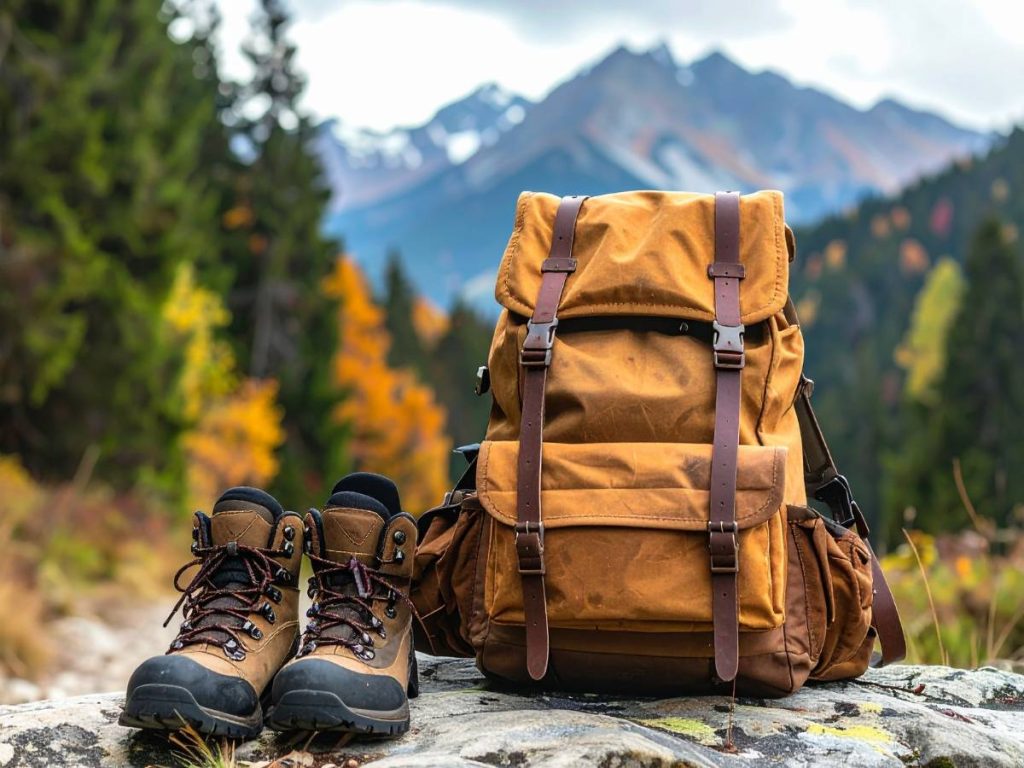
Packing is another sneaky culprit. Camping involves far more bending, lifting, and twisting than most people realise, especially when loading cars or carrying gear from the pitch. If you’re camping without a car, this matters even more, which we cover in detail in our guide to camping without a car. Lightening your load and packing smarter can reduce a surprising amount of strain before the trip even begins.
Finally, think about the pace of your trip. Slower mornings, regular breaks, and avoiding over-packed itineraries can make a huge difference. Solo campers often get this right naturally, which is one of the reasons many people find gentler trips more comfortable — something we touch on in how to make solo camping fun.
A bit of preparation won’t make camping completely pain-free, but it massively reduces the odds of a flare-up. And once you arrive, a few small daily habits can help even more.
Sleeping Comfort in the Real World (It’s Not Just the Mattress)
By far the biggest contributor to back pain on camping trips is sleep, but not in the way most people think. It’s rarely just that your mattress is “bad.” More often, it’s a combination of small things stacking up over eight hours on the ground.
Even a good camping mattress behaves differently outdoors. At home, your mattress sits on a solid, flat base. In a tent, it’s resting on uneven ground, which means your spine can end up twisted all night without you realising it. You might fall asleep feeling fine, then wake up stiff and sore because your body’s spent hours compensating.
Another simple but overlooked fix is where you pitch your tent. Before you even think about inflating a pad, lie down on the ground and feel for slopes, dips, or ridges. A few centimetres of tilt can be enough to put your lower back or hips under constant strain, and sometimes moving the tent a metre or two makes a bigger difference than upgrading your sleeping gear.

Pillows are another common problem. Many people bring either no pillow at all, or something that’s far too bulky, and both can cause issues. A pillow that’s too high pushes your neck forward, which can ripple down into shoulder and lower back discomfort. Too low, and your neck collapses sideways. A surprisingly effective option is a partially filled inflatable pillow, or even a rolled-up jumper, so you can fine-tune the height rather than committing to an all-or-nothing setup.
Sleeping position matters too, especially if you already have back pain. Research on spinal alignment during sleep shows that small changes in position can significantly affect morning stiffness and discomfort, something sites like Spine-Health explain in more detail. Side sleepers often benefit from something soft between the knees to stop the hips twisting overnight. Whereas back sleepers usually feel better with a slight bend in the knees, which can be as simple as a rolled towel under the legs. These aren’t fancy tricks, but they can massively reduce morning stiffness.
Temperature plays a role as well. Cold muscles tighten up, and camping nights are often much colder than people expect, even in summer. A decent sleeping bag, proper insulation underneath you, and staying warm through the night can make your back feel noticeably looser in the morning. This is one reason people sometimes wake up stiffer after damp or stormy nights, something we’ve touched on before when talking about camping in bad weather.
Finally, give yourself permission to adjust during the night. If you wake up uncomfortable, don’t just lie there hoping it’ll pass. Shift position, tweak your pillow, or straighten your pad. Those small mid-night corrections can be the difference between a mild ache and a full-blown flare-up the next day.
Once sleep is dialled in, the next biggest difference-maker is how you move and sit during the day, especially around camp.
The Small Daily Habits That Stop Back Pain Building Up at Camp
Once your sleeping setup is sorted, the next biggest factor when camping with a bad back, is everything you do around the tent. Not the big hikes or obvious physical movements, but the subtle, repetitive stuff that fills most of the day.
One of the main culprits is how you sit. Camp chairs are brilliant for relaxing, but many of them encourage a deep slump with your hips lower than your knees and your lower back rounded. Sitting like that for ten minutes is fine, but sitting like that for two hours by the fire is a different story. If your chair allows it, try to keep your hips slightly higher than your knees, or alternate between sitting, standing, and walking around. Even standing up to stretch while the kettle boils can stop stiffness from creeping in.
Cooking is another sneaky trigger. Most camp kitchens are set up far lower than anything at home, which means lots of bending, twisting, and hovering awkwardly over your cooking stove. If you can, raise your cooking surface a little, even if it’s just placing the stove on a box or table. Small changes like that reduce the constant low-level strain that builds up over a weekend.

Mornings also matter more than people realise. Your back is often stiff first thing, especially after a cold night, and jumping straight out of your sleeping bag and bending over to pack gear is a great way to annoy it. Take a few minutes to move gently first – walk around, stretch your legs, and roll your shoulders. It doesn’t need to be a full yoga session, just enough to get things moving before you start lifting and packing.
Evenings are just as important, and after a long day walking or sitting, your back benefits from a bit of gentle movement before bed. A short walk around the campsite, a few gentle stretches, or simply standing upright instead of collapsing straight into a chair can help prevent that locked-up feeling in the morning.
If you’re camping with family, or even with a four-legged friend, this stuff becomes even more relevant. Repeated bending to pick up the kids, lift water bowls, or help a muddy dog (or child!) into the car adds up quickly. We’ve touched on this before when talking about camping with dogs, or planning a family camping trip, and it’s worth being extra mindful if your back already has a history of complaints.
None of these habits are dramatic or time-consuming, but together they make a noticeable difference. Camping doesn’t usually cause back pain because of one big mistake – it’s the accumulation of small, slightly awkward movements repeated over a couple of days. Fix those, and camping starts to feel a lot more forgiving.
When to Slow Down or Change Plans
One of the hardest parts of camping with back pain isn’t the pain itself, it’s knowing when to stop pretending you’re fine. A lot of people push through discomfort on trips because they don’t want to be the one who “ruins it”, only to end up far worse by the time they get home.
A bit of stiffness or mild soreness is normal, especially if you’re sleeping differently and moving more than usual. What’s worth paying attention to is sharp pain, pain that gets worse as the day goes on, numbness, tingling, or pain that starts travelling down the legs. Those are signs your back isn’t just grumbling, it’s asking for a change of approach.
Slowing down doesn’t have to mean packing up and going home. It might just mean shortening a walk, skipping a summit, or spending a quieter afternoon around camp instead of squeezing everything into one day. Camping trips often feel precious, especially if you don’t get out much, but pushing through pain rarely leads to better memories.

There’s also no shame in adjusting plans mid-trip. Choosing a gentler route, driving instead of hiking to the next spot, or even switching to a night of car camping can be the difference between salvaging a trip and turning it into a week-long recovery exercise. Camping is supposed to give you freedom, not trap you into decisions you made before your back started complaining.
Listening early is almost always easier than dealing with a flare-up later.
Frequently Asked Questions About Camping With a Bad Back
Is camping with a bad back actually realistic, or am I just asking for trouble?
Camping with a bad back is absolutely realistic, but it does require a slightly different mindset. The goal isn’t to power through discomfort or recreate a hardcore version of camping you did years ago. It’s about reducing strain where you can and choosing comfort over stubbornness. With the right sleep setup, lighter gear, and a slower pace, many people find camping with a bad back far more manageable than they expected.
What’s the biggest mistake people make when camping with a bad back?
The biggest mistake is assuming that discomfort is inevitable and you should just push through it. That often leads to flare-ups that could have been avoided with small changes, like lighter gear, better sleep positioning, or more frequent breaks. Another common issue is carrying too much, which is why approaches like lightweight camping can make such a big difference when you’re camping with a bad back.
Does lightweight camping really help if you’ve got back pain?
Yes, often more than people realise. Lightweight camping isn’t just about hiking further or faster, it’s about reducing the constant low-level strain that comes from lifting, carrying, and unpacking heavy kit. When you’re camping with a bad back, every kilo matters, especially when loading cars, carrying bags to the pitch, or moving gear around camp.
What camping gear actually matters most for a bad back?
When camping with a bad back, not all gear is equally important. Sleep-related items tend to matter most, followed closely by anything that affects how much lifting or bending you do. If you’re prioritising where to spend money or effort, our guide to essential camping gear is a good place to focus on comfort-first choices rather than unnecessary extras.
Is tent camping worse for your back than other options?
Not necessarily, but it depends on the setup. Some people find ground sleeping aggravates their back, while others struggle more with awkward tent entry and exit. If traditional tent camping consistently causes problems, it might be worth looking at alternatives like bivvy bags, hammocks, or other setups covered in our guide to camping without a tent. For some backs, a different sleeping position can make a surprising difference.
Should I avoid longer trips if I’m camping with a bad back?
Not always. Longer trips can actually be easier on your back if they’re slower paced and better planned. Rushing, overpacking, and trying to cram too much into a short trip is often harder on your body than taking things steadily over a few days. Camping with a bad back is usually more about how you camp than how long you’re out for.
What if my back flares up while I’m already camping?
If pain starts building, the best thing you can do is respond early. Adjust your sleep setup, take more movement breaks, shorten walks, or change plans for the day. Camping with a bad back doesn’t mean sticking rigidly to an itinerary. Flexibility is one of the biggest advantages of being outdoors, use it.
Final Thoughts: Camping With Back Pain Doesn’t Have to Be Miserable
Back pain has a way of making people feel like they need to choose between comfort and adventure. In reality, camping doesn’t have to be an endurance test. A few thoughtful adjustments can turn it back into what it’s meant to be: time outside, at your own pace, on your own terms.
Most camping-related back pain isn’t caused by one big mistake. It’s the result of small things adding up, uneven sleep, low chairs, repetitive bending, cold nights, and pushing on when your body is quietly asking for a break. Once you spot those patterns, they’re surprisingly easy to change.
You don’t need perfect gear, a pain-free spine, or a military-grade sleeping setup. You just need a bit of awareness, a willingness to adjust, and the confidence to camp in a way that works for you, not some imaginary version of how camping “should” look.
Get that right, and there’s no reason you can’t come home from a trip feeling refreshed, rather than Googling physios and heat pads.
