If you’ve ever wondered whether you can sleep in your campervan anywhere in the UK, you’re not alone. It’s one of those questions we get asked on an almost daily basis, and it’s clear to see why. You’ve got your van, your bed’s made up in the back, and the plan’s just to park somewhere quiet, make a brew, and watch the sun go down. It sounds harmless enough, but depending on where you stop, it can either be completely kosher, or technically illegal.
That’s what makes campervan travel in the UK a bit of a puzzle. Some people insist you can sleep wherever you like as long as you’re discreet, while others say it’s banned everywhere except official campsites. The reality is, like with most camping legality issues, the truth sits somewhere in between.
The rules depend on who owns the land, how local councils view overnight parking, and which part of the country you’re in. Scotland’s famously relaxed about it, England and Wales far less so, and the difference between parking and camping is what really decides what you can and can’t do.
So, can you sleep in your campervan anywhere in the UK? Not quite…
In England and Wales, nearly all land’s privately owned, which means you need the landowner’s permission to stay overnight. Parking up in a lay-by, car park, or roadside spot might seem harmless, but most councils have bylaws that restrict overnight stays and can issue fines or ask you to move on. In Scotland, things are more flexible under the Scottish Outdoor Access Code, which allows informal overnight stays on unenclosed land if you park responsibly, stay discreet, and leave no trace. The safest legal options across the UK are campsites, small farm pitches, pub stopovers, and designated campervan spots that welcome overnight visitors.
As you can see, most of the confusion comes from the fact that there isn’t one simple national rule. What’s allowed in one part of the country might get you a knock on the window in another. To make sense of it all, it helps to start with England and Wales, where most of the laws about parking, camping, and overnight stays are written, and where the line between what’s legal and what’s tolerated is often paper thin.
Contents
- England and Wales: What the Law Actually Says
- Scotland: The One True Exception
- Where You Can Stop Safely and Legally
- Low-Impact Vanlife Etiquette
- Frequently Asked Questions
- Final Thoughts
England and Wales: What the Law Actually Says
When it comes to sleeping or camping in your campervan in England and Wales, the rules aren’t as relaxed as many people hope. Almost every bit of land here is privately owned, whether it’s farmland, woodland, coastal areas, or even lay-bys that look like no one would ever notice you. That means if you stop overnight without permission, you’re technically trespassing. It’s not a criminal offence in itself, but the landowner or local council can ask you to move on, and ignoring that request can cause real problems.
A big part of the confusion comes from the difference between parking and camping. Parking means you’re just using your vehicle as transport (the same as stopping to rest or grab food) whereas camping means you’re using that vehicle as accommodation. The moment you put the kettle on, open a window, or set out a chair, you’ve crossed that line. Some councils even define camping as simply staying in the vehicle overnight, whether or not you step outside.
Many car parks and lay-bys have signs that say “no overnight stays” or “no sleeping in vehicles”. Those aren’t there by accident, and local authorities can issue fines for ignoring them, with some even sending wardens to check popular spots during busy seasons. Even if you find a quiet place that doesn’t have a sign, there’s still a risk that someone nearby could report you. In most cases the police won’t treat it as a big deal if you’re respectful and gone early, but it’s not something you can rely on.
That said, plenty of people do manage to sleep peacefully in their campervan across England and Wales by using a bit of common sense. The key’s to stay out of the way, keep things quiet, and never make it look like you’re setting up camp. Arrive late, leave early, and don’t leave anything outside the vehicle. Most of all, if someone asks you to move on, do it with a smile. A polite camper rarely gets into trouble twice.
There are, of course, safer and fully legal ways to enjoy a night in your campervan without that small knot of worry in your stomach. For that, you’ll need to head further north, or find somewhere that actually welcomes campervans.
Scotland: The One True Exception
You’ll be glad to know there’s one part of the country where the answer’s a little closer to yes. Scotland’s arguably the only place that offers real freedom when it comes to sleeping in a campervan, thanks to its unique access laws and a general culture of trust between travellers and the land.
Under the Scottish Outdoor Access Code, you’re allowed to stay overnight on most unenclosed land as long as you do it responsibly. That includes sleeping in a campervan in Scotland, but with a few important conditions. You have to park on solid ground, well away from houses, farmland, or busy roads, and you need to make sure your campervan doesn’t block gates or tracks. It’s also worth knowing that some local councils have started limiting campervan overnight parking in sensitive areas like the Highlands or the islands, mainly to protect the environment and manage overcrowding.
The beauty of the Scottish system is that it’s based on trust. It assumes people will use common sense and look after the places they stay. Most vanlifers who travel up there know the deal already: park late, leave early, keep the noise down, and never leave rubbish behind. As long as you follow those simple rules, you can wake up to views most campers would dream of without worrying about fines or knock-on-the-window moments.
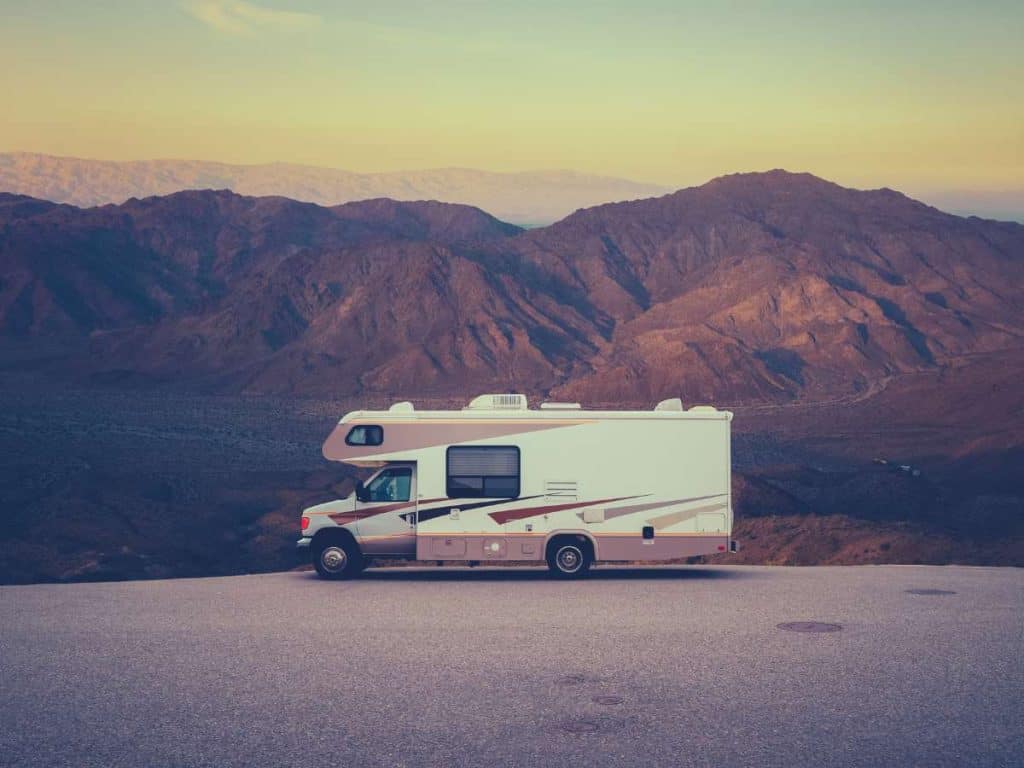
It’s not quite the same as true wild camping, since the access code was written more for walkers and tent campers, but it still covers short overnight stops in vehicles. That freedom’s why so many people head north once they realise how limited things are in England and Wales. You can drive for miles, find a quiet glen or a stretch of coastline, and settle in knowing you’re not breaking any rules.
Still, even in Scotland, responsibility matters more than the letter of the law. The growing number of vans has led to a few hotspots where litter, noise, or overuse have caused problems for locals, and some councils have tightened up on parking as a result. It’s a reminder that the right to roam (or in this case, the right to park) depends on how we treat the land.
So while the short answer to can you sleep in your campervan anywhere in the UK is still no, Scotland gets you about as close as you can get. For the rest of the country, you’ll need to rely on good manners, local knowledge, and the growing number of places that welcome campervans without all the red tape.
Where You Can Stop Safely and Legally
Once you realise you can’t just pull over anywhere and stay the night, the next question’s simple – where can you park your campervan safely and legally in the UK. The good news is there are plenty of options that still give you the same sense of freedom, just without the worry of someone telling you to move on.
The most reliable choice is always a proper campsite. Not all of them are packed-out holiday parks, and all over the country you’ll find small, quiet sites that welcome campervans for a modest fee. Many are family-run and offer only the basics (a level pitch, a water tap, maybe even a toilet block) but they’re peaceful, secure, and completely legal.
If you prefer something a little more informal, pubs and farms are your best bet. Many country pubs now let you stay overnight if you grab a meal or a pint, and there’s a growing network of places that actively encourage it. Brit Stops is one of the best known, offering hundreds of listings across the UK from vineyards and farm shops to village inns. A quick friendly chat with the owner is usually all it takes to find a quiet corner for the night.
For a wilder feel without breaking any rules, try Nearly Wild Camping or small private pitches listed on Hipcamp or Pitchup. These give you that peaceful, off-grid experience while still having the landowner’s permission. It’s a nice middle ground between freedom and legality, especially if you like parking up somewhere scenic without feeling like you’re sneaking around.
You’ll also find a growing number of aires-style stopovers, similar to those used by motorhomers in France. These are simple, self-contained parking spots designed for short stays. Some are run by councils, others by small businesses, and they’re usually safe, tidy, and cheap – sometimes even free! Apps like Park4Night and Search for Sites are great for finding them, especially if you’re travelling long distances and need a quick, convenient place to rest.
The key is to think in terms of welcome rather than permission. If a place openly invites campervans, you’re doing it right. If it feels like you’re pushing your luck, move on. Respect goes a long way in this community, and every polite, tidy stay makes it easier for the next person to be welcomed too.
Finding legal spots is only half the story though. The other half is what you do once you get there, and that’s what really decides whether campervan travel keeps its good reputation or starts to lose it.
Low-Impact Vanlife Etiquette
Once you’ve found a good spot to park up for the night, how you behave there often matters more than where you are. Most of the bad press around vanlife and wild camping comes from a small number of people who forget that they’re guests wherever they go. If everyone treated each stop as if it were their own garden, there’d be far fewer restrictions and a lot more open gates.
The first rule’s simple – arrive late, leave early. Turn up when the day’s winding down and move on before things get busy again. It keeps you out of sight and shows locals you’re not there to linger.
Keep noise to a minimum. That means no music, no shouting across pitches, and no engines running late into the night. The whole point of parking somewhere beautiful is to hear the quiet, so lean into it.
Never leave anything outside the van. Chairs, tables, clothes lines, even rubbish bags – all of it makes it look like you’ve set up camp rather than just stopping for the night. The moment it looks like camping instead of parking, people start to complain, and that’s when new “no overnight stays” signs appear.
Rubbish should always go with you, even if there’s a bin nearby. Take it home, sort it properly, and leave the place in a better state than you found it. It sounds obvious, but a single crisp packet or tissue can undo the good work of a hundred respectful campers.
Avoid fires or disposable barbecues unless you’re on a site that specifically allows them. They leave marks, damage grass, and risk starting something far worse. If you want warmth, boil the kettle, pour a coffee, and enjoy the view instead.
If you meet locals, wave, smile, and be friendly. Most people are curious about campervans and appreciate being acknowledged. A small moment of politeness goes further than you’d think, especially in quiet rural areas where visitors aren’t always popular.
The golden rule is by far the most important though, and that’s leave no trace and cause no bother. If everyone followed that, the question of whether you can sleep in your campervan anywhere in the UK would start to matter a lot less, because more places would be happy to have you.
And when you get it right (when you wake to birdsong, pack quietly, and drive away leaving nothing but flattened grass) that’s when vanlife feels exactly how it should.
Frequently Asked Questions
Do I need insurance to sleep in my campervan?
Yes, you should always have proper insurance before sleeping in your campervan overnight. Standard car insurance doesn’t usually cover you for camping or extended travel, especially if you’re staying somewhere that isn’t your home address. Make sure your policy covers both driving and sleeping in the vehicle.
Can you be fined for sleeping in your campervan?
You can be, but it depends where you’re parked. Some councils issue fixed penalties if you stay somewhere with “no overnight parking” signs, while others might just ask you to move on. Fines are more likely if you’re in a busy area, blocking access, or ignoring clear signage.
Are there any free places to stay overnight in a campervan in the UK?
Yes, but they take a bit of research. Some small villages, rural car parks, and a few aires-style stops allow free overnight stays for self-contained campervans. Apps like Park4Night and Search for Sites list these locations, but always check reviews and signage before settling in.
Can I use a campervan toilet or shower anywhere?
Not quite. Emptying waste or using showers in public areas can cause problems if you’re not in a proper campsite or facility. Always use designated waste points, which you’ll find at many campsites, motorhome stopovers, and service stations. Never dump waste in drains, rivers, or car parks.
What’s the best time of year for campervan travel in the UK?
Spring and autumn are ideal. The weather’s mild, campsites are quieter, and parking restrictions are less heavily enforced. Summer brings the best temperatures but also more crowds and stricter local rules, while winter can be peaceful if you’re comfortable with short days and chilly mornings.
How do locals usually feel about campervans parking overnight?
It depends on how people behave. Most communities are fine with respectful travellers who leave no mess and move on early, but they quickly lose patience with those who leave rubbish, block access, or light fires. If you treat each place like it’s your own back garden, you’ll usually be welcomed back.
Can I live full-time in my campervan in the UK?
It’s possible, but there are complications. Living full-time in a campervan means dealing with things like post, insurance, and permanent parking. Many long-term vanlifers register an official address with family or friends, use campsites for facilities, and rotate between legal overnight stops. It can be done, but it takes planning.
Final Thoughts
Travelling the UK by campervan isn’t about chasing loopholes or getting away with something; it’s about finding small moments of freedom within the rules that keep the countryside peaceful for everyone. Once you learn where you can stay and how to act when you get there, the whole experience becomes easier, calmer, and a lot more rewarding.
If you plan ahead, stay tidy, and respect the places that host you, you’ll rarely run into problems. The more vanlifers who camp quietly and responsibly, the more likely it is that local communities will keep welcoming us. Every early-morning departure, every empty pitch, every friendly word with a landowner helps prove that this way of travelling can be sustainable.
The short answer’s still no (you can’t sleep in your campervan anywhere in the UK) but that doesn’t mean you’re limited. Between small campsites, pubs, farm stays, and the open welcome of Scotland’s access laws, there are endless places to park up and fall asleep to the sound of the wind outside your window.
So pack up, drive slow, and treat every stop like it’s borrowed. The freedom’s still out there; you just have to treat it with respect.
Related Posts
If you found this guide helpful, you might like to read these next:
- Wild Camping in England and Wales: Legal Options and Clever Alternatives
- Asking to Camp on Private Land: How to Do It the Right Way
- Can You Camp Anywhere in the UK?
- Wild Camping in Scotland: Rules, Best Spots and Essential Tips
- What Is the Punishment for Wild Camping in the UK?