Why do so many camping trips go wrong when, on paper, it all seems pretty simple?
You’ve got a tent, some food, a place to camp, and a vague idea of what you’re doing. It’s not exactly climbing Everest… And yet you get there, and within a couple of hours something feels off. You’re colder than you expected, things are harder to find than they should be, the setup takes longer than planned, and suddenly what was meant to be a relaxing break turns into a series of small, slightly irritating problems that just keep stacking up.
Most people assume it’s just bad luck, or a part of camping… A bit of discomfort, a bit of chaos, and something to laugh about afterwards. And to be fair, some of it is. But in most cases, it’s just a handful of common camping mistakes that almost everyone makes at the start, usually without realising they’re making them.
The tricky part is that none of these mistakes feel like mistakes at the time. You pack what seems sensible, you pick a campsite that looks decent, you check the weather quickly and move on. You might even read scroll through a list of “essential camping gear” and think you’ve got it covered. On paper, it all looks fine.
But camping has a funny way of exposing the gaps.
It’s only when you’re lying on the ground at 2am wondering why your back feels like it’s been folded in half that you realise your sleep setup wasn’t quite right. Or when the rain starts and you discover your “quick weather check” didn’t quite cover what to actually do about it, which is exactly why we put together guides on camping in the rain and what to do in a thunderstorm.
And then there are the smaller ones. Turning up too late and trying to pitch a tent in the dark. Bringing loads of food but nothing easy to cook. Picking a campsite that looks great on Instagram but turns out to be completely exposed to wind, which is why knowing how to choose a campsite properly makes a bigger difference than most people realise.
None of these mistakes are the end of the world, but they’re just enough to take the edge off what should have been a genuinely great trip.
The good news is that almost all of these problems are avoidable once you know what to look for. And more importantly, once you realise that camping isn’t really about having loads of gear or doing everything perfectly, it’s about avoiding the handful of mistakes that quietly ruin the experience.
That’s what this guide is about. Not perfection, or survival tactics, but just the common camping mistakes people make, and how to avoid learning them the hard way.
Contents
- Packing Mistakes That Seem Sensible (Until They’re Not)
- Campsite Mistakes That Ruin Things Faster Than You Expect
- The Small Comfort Mistakes That Make a Big Difference
- The Food Mistakes That Seem Minor (Until You’re Hungry, Cold, and Fed Up)
- The Mistakes That Aren’t About Gear (But Still Mess Everything Up)
- The “You Only Do This Once” Mistakes
- Frequently Asked Questions
- Final Thought
Packing Mistakes That Seem Sensible (Until They’re Not)
Packing is where most camping trips go wrong before you’ve even left the house.
Not always in an obvious way either, like forgetting your tent or turning up with nothing but a toothbrush. It’s usually much subtler than that. You pack what you think you need, maybe even a smidgy over-prepared just to be safe, and somehow still end up missing the one thing that actually matters when you need it.
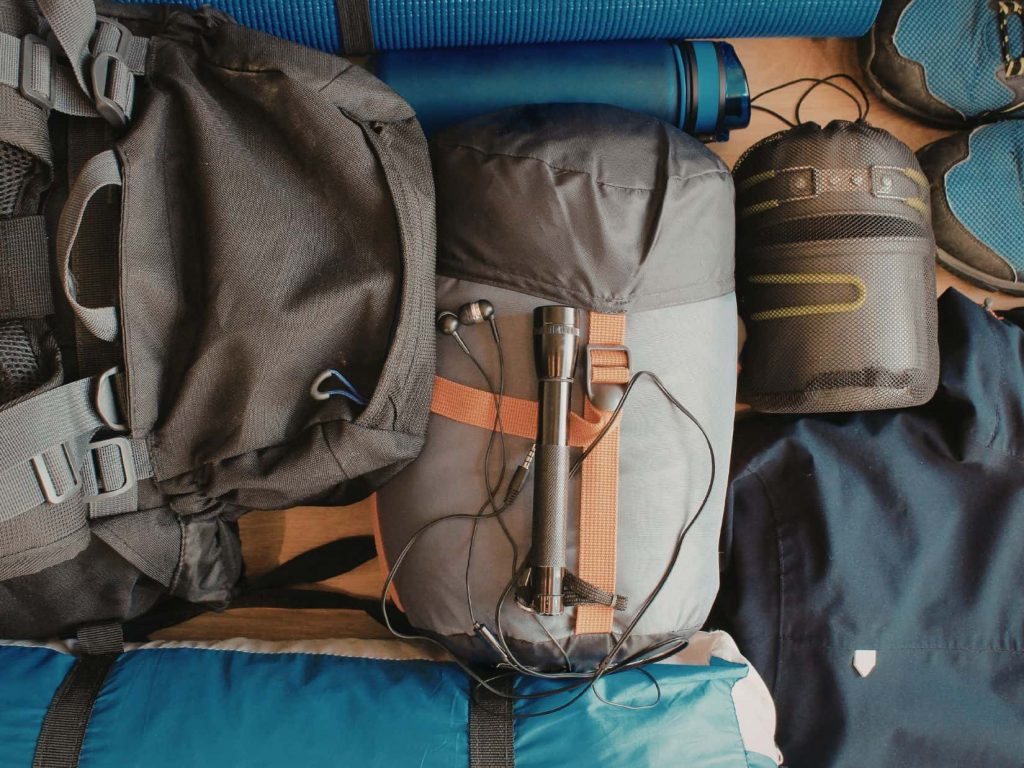
One of the most common camping mistakes is overpacking.
It sounds harmless – more gear means more comfort, right? But what actually happens is you end up with a car boot or backpack full of stuff you don’t use, while the things you do need are buried somewhere at the bottom. You spend half your time rummaging around trying to find a headtorch, a lighter, or a clean pair of socks, slowly getting more irritated with every passing minute.
And if you’re camping without a car, it gets even worse. Carrying unnecessary weight turns what should be a relaxed walk into something that feels like a slow punishment, which is exactly why we go into more detail in our guides to camping without a car and keeping things simple with lightweight camping.
At the other end of the scale, you’ve got underpacking, which is probably a less common camping mistake, especially for beginners.
This usually comes from trying to keep things minimal or assuming you can “make do” once you’re there. And sometimes you can. But sometimes you can’t, and that’s when it starts to get uncomfortable fast. No spare layers when the temperature drops, no proper lighting once it gets dark, and no easy way to cook or even make a brew – which is where something as simple as choosing a reliable setup, like we cover in our guide to the best camping stove, suddenly matters a lot more than you expected.
Then there’s the mistake that sits right in the middle, bringing the wrong gear.
This one catches people out all the time because it doesn’t feel like a mistake at all. You’ve packed a sleeping bag, so you’re sorted. You’ve got clothes, so you’ll be fine. But if your sleeping bag isn’t suited to the temperature, or your clothes don’t handle damp or cold properly, it doesn’t take long before things start to feel noticeably uncomfortable.
That’s why getting the basics right matters more than having loads of stuff. A decent sleep setup, the right clothing, and a few genuinely useful items will always beat a car full of random gear you thought might come in handy. If you’re not sure where to start, our guides on how to choose a sleeping bag and essential camping gear break it down in a way that actually makes sense when you’re packing for a real trip.
The best way to think about it is this.
Most packing mistakes don’t come from forgetting everything. They come from getting the balance slightly wrong – too much of what you don’t need, not enough of what you do, or the wrong version of something that matters.
And you usually don’t notice until you’re already out there.
Campsite Mistakes That Ruin Things Faster Than You Expect
You can get a lot wrong while camping and still have a decent time.
A slightly uncomfortable sleep, a bit of disorganisation, even a questionable meal or two… you’ll survive it. But where you choose to set up your tent? That’s one of the few things that can make or break the entire trip within minutes.
And the problem is, most people choose a campsite based on how it looks, not how it actually functions.
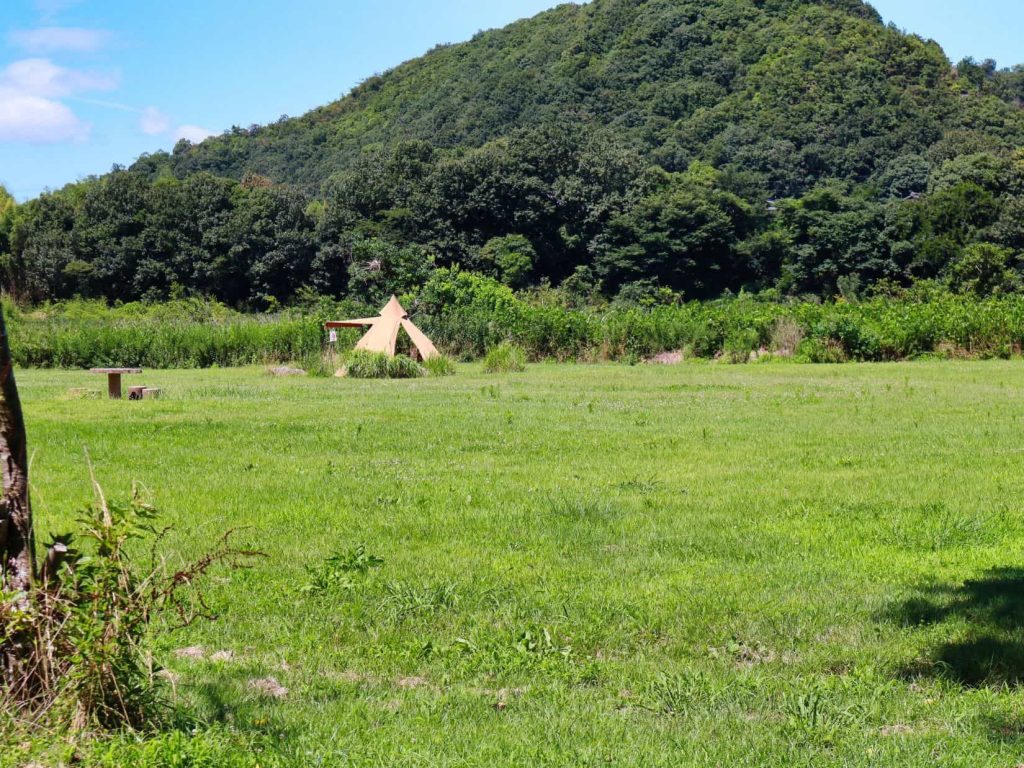
It’s easy to do. You arrive somewhere that looks open, flat, maybe even a bit scenic, and think, “That’ll do.” Job done. But what looks good in daylight doesn’t always translate into a comfortable night.
One of the most common camping mistakes is pitching in the wrong spot without realising it.
That nice open area? It might also be completely exposed to wind. That flat bit of ground? It might turn into a shallow puddle the second it rains. That slightly sloped patch you thought was “probably fine”? You’ll feel every inch of it at 2am when you slowly slide into the side of your tent.
This is exactly why knowing how to choose a campsite properly makes such a big difference. It’s not about finding the prettiest spot, it’s about finding one that actually works once the temperature drops, the wind picks up, or the ground starts holding water.
Another mistake people make is not thinking about the weather beyond a quick glance at the forecast.
You might check and see “no rain” and move on, but that doesn’t tell you much about wind direction, overnight temperature drops, or how exposed your pitch is going to be. And when the weather does turn (even slightly) it has a habit of finding every weakness in your setup.
That’s where things start to unravel. Your tent flaps all night, you feel every gust of wind, and suddenly you’re wide awake wondering why you didn’t just spend five more minutes thinking about where you pitched.
Then there’s the mistake that doesn’t show up until much later, which is not checking whether you’re actually allowed to camp there.
This catches people out more than you’d think, especially in the UK where wild camping rules aren’t always easy to understand. You find a quiet spot, set everything up, and then spend the evening with that slight nagging feeling that you might be somewhere you shouldn’t be.
Or worse, someone turns up and tells you to move on.
If you’re not sure where you stand, it’s worth understanding the basics before you go. We’ve broken it down in our guides to wild camping in England and Wales, and wild camping in Scotland, because the rules are very different depending on where you are.
And finally, there’s one that doesn’t sound like a big deal until you run into it, and that’s turning up too late. You think you’ll get there, quickly set up, and then spend the evening relaxing. But in reality, you’re trying to pitch a tent in fading light, rushing, missing things, getting slightly stressed, and never quite settling properly.
Camping is one of those experiences that rewards slowing down. Arriving with enough time to look around, choose your spot properly, and set up without rushing makes all the difference
The Small Comfort Mistakes That Make a Big Difference
This is a no-brainer…
You get set up, everything looks fine, and for a while it is fine. It’s only later, usually when you’re trying to sleep or the temperature drops, that you realise you’ve made a costly mistake. And once you notice it, it’s very hard to ignore.
This is where most trips lose that “this is actually quite nice” feeling and drift into “this is a bit of a slog now”.
Sleep is usually the first thing to go.
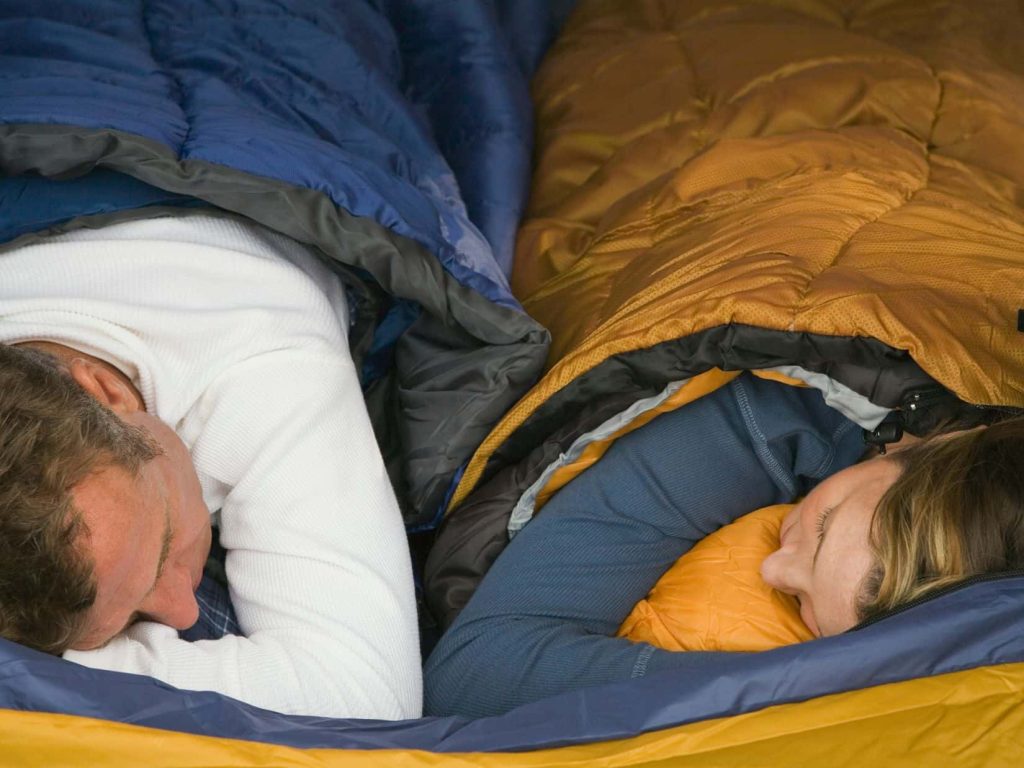
In theory, it seems simple enough. You’ve got a sleeping bag, maybe a mat, and you assume you’re all set. But if your setup isn’t right, it doesn’t take long before your body starts letting you know. Pressure points, cold seeping up from the ground, that constant need to shuffle around trying to get comfortable… it all adds up.
And the frustrating part is, it’s completely avoidable.
Getting your sleep sorted is less about having loads of gear and more about having the right setup. Something that actually supports you, insulates you properly, and lets you relax instead of constantly adjusting. If you’ve ever woken up feeling worse than when you went to bed, you’ll know exactly what I mean. We go into this properly in our guides on sleeping on the ground while camping, or sleeping positions when camping, and choosing the best camping mattress for a bad back.
Closely tied to that is warmth, which people almost always underestimate.
You might check the daytime temperature and think you’re fine, but nights can feel completely different, especially if there’s any wind or damp in the air. That’s when a sleeping bag that seemed perfectly adequate suddenly isn’t, and you find yourself layering up with whatever you’ve got just to stay comfortable.
Choosing the right sleeping bag makes a bigger difference than most people expect, not just in extreme conditions, but on normal trips too. It’s the difference between drifting off and lying there quietly wishing morning would hurry up, which is why it’s worth getting right from the start.
Clothing is another one that catches people out.
It’s easy to pack based on what you’d wear at home, but camping isn’t quite the same. Things get damp, temperatures shift, and once you’re cold, it’s surprisingly hard to warm back up again. Even something simple like dry socks can make a massive difference, especially if you’ve been walking around in wet conditions all day, which is exactly why we’ve looked at things like the best hiking socks for wet feet and whether hiking socks actually make a difference.
And then there’s the one people don’t think about until it’s too late.
Moisture.
Damp gear, condensation inside the tent, slightly wet clothes that never fully dry, it all chips away at your comfort without you really noticing at first. But after a few hours (or even worse, a full night) it starts to feel grim.
The Food Mistakes That Seem Minor (Until You’re Hungry, Cold, and Fed Up)
Food is one of those things people assume will just… work itself out.
You pack a few bits, maybe grab some snacks, bring something you can cook, and figure you’ll sort it when you get there. And sometimes that’s fine. But more often than not, this is where things start to feel harder than they need to be.
Because when you’re camping, food isn’t just food.
It’s warmth, energy, comfort, and, weirdly, morale. When it’s done right, everything feels better. When it’s not, even small problems start to feel bigger.
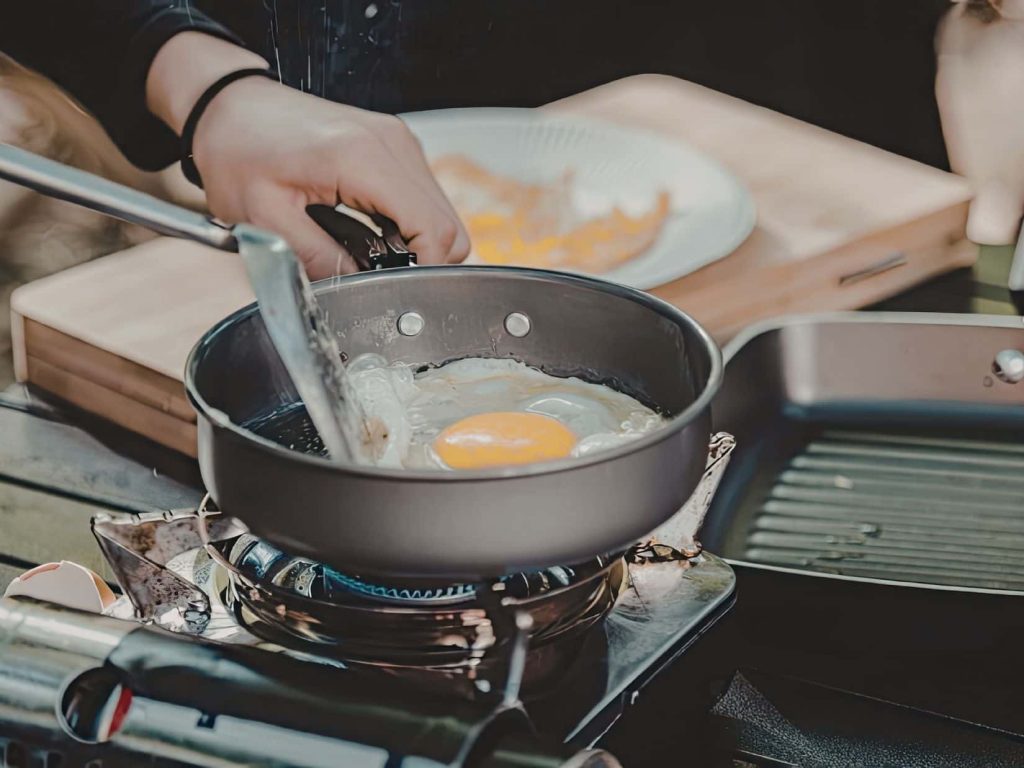
One of the most common camping mistakes is bringing the wrong kind of food.
Not necessarily bad food, just impractical food. Things that take too long to cook, need loads of prep, or rely on equipment you don’t quite have dialled in. It all sounds manageable at home, but when you’re outside, slightly tired, maybe a bit cold, it quickly turns into more effort than it’s worth.
That’s usually when people either give up halfway through or end up eating something underwhelming, or unfilling, and calling it a day.
This is exactly why simple, low-effort meals tend to work best – the kind you can throw together without thinking too much. We’ve put together a full breakdown of this in our guide to easy camping meals, because once you get this right, everything else feels smoother.
Another mistake is bringing too much food.
It sounds ridiculous, but it happens all the time. You pack for every possible scenario – snacks, meals, extras “just in case”, and end up with far more than you need. Not only does it add unnecessary weight and clutter, but it also makes everything harder to organise.
You spend more time digging through bags than actually enjoying yourself, and half of it ends up going unused anyway.
On the flip side, not bringing enough, or not bringing the right kind of snacks, can be just as frustrating.
There’s a big difference between having food and having something you actually want to eat when you’re tired. Quick, easy snacks that you can grab without thinking make a huge difference, especially if you’ve been walking, setting up, or just dealing with the general effort of being outdoors.
Then there’s the setup itself.
A lot of people underestimate how important a decent cooking setup is until they try to use one that’s a bit… temperamental. Whether it’s a stove that takes ages to get going or one that doesn’t quite feel reliable, it adds friction to something that should be simple.
And finally, there’s the mistake that doesn’t seem like a big deal at all until you’re in the middle of it.
No plan…
Not a detailed schedule or anything rigid, just a rough idea of what you’re actually going to eat and how you’re going to make it. Without that, even simple meals can feel like a huge effort, and you end up improvising in a way that’s more stressful than it needs to be.
The Mistakes That Aren’t About Gear (But Still Mess Everything Up)
Some of the most common camping mistakes have nothing to do with what you pack or where you pitch.
They come down to how you approach the trip itself.
And the tricky thing is, these are the ones that feel the most reasonable at the time. You’re not being careless, you’re just making small decisions that seem fine in the moment, but gradually make everything more difficult.
One of the biggest ones not testing your gear beforehand, and it’s one of those common camping mistakes almost everyone makes once.
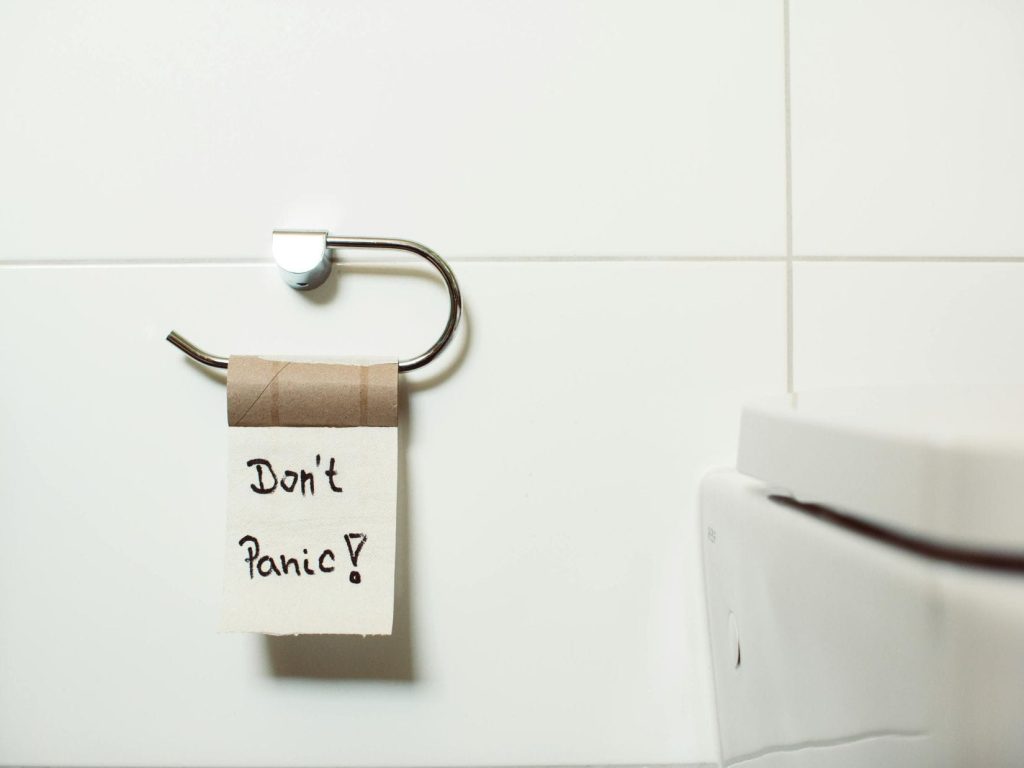
You assume everything will just work, because why wouldn’t it? And most of the time, it does. But when something doesn’t, whether it’s a stove that won’t light, a tent you’re not quite sure how to pitch, or a sleeping setup that doesn’t feel right, you suddenly realise you’re figuring it out in the least convenient place possible.
It’s a small thing, but even just setting things up once at home makes a huge difference. It removes that uncertainty and lets you focus on actually enjoying the trip instead of troubleshooting it.
Then there’s overestimating how easy it’s all going to be.
Camping looks simple (and it is simple in a lot of ways) but it still takes a bit of effort. Walking back and forth to the car, setting things up, cooking, organising your gear… it all adds up more than you expect.
This is especially noticeable if you’re going with family or trying to keep everyone entertained, which is why having a rough plan or at least knowing what works can help a lot, something we’ve touched on in our guide to family camping for beginners.
And finally, there’s trying to do too much.
Packing loads of activities, planning big walks, trying to cook elaborate meals, squeezing everything into a short trip… it sounds great in theory, but in reality, it often just leaves you feeling slightly rushed and a bit tired.
Camping tends to be better when you keep it simple.
A short walk, an easy meal, a bit of time to just sit and do nothing without feeling like you should be doing something. That’s usually where the best moments come from anyway, something we’ve explored a bit more in our guide to how to make solo camping fun.
The “You Only Do This Once” Mistakes
Some camping mistakes are subtle – you only notice them after a few hours, or when something starts to feel slightly uncomfortable.
And then there are the other ones… The ones that hit immediately, stick in your memory, and quickly become part of your “never again” list.
The first is not having a toilet plan.
It sounds obvious (of course you’ll sort that out) but when you actually need to go, especially at night, in the cold, or in an unfamiliar place, you suddenly realise you haven’t really thought it through.
Where are you going? How far away? Do you have a torch? Is it raining?
Then there’s forgetting proper lighting.
You don’t think about it much during the day, but once it gets dark, everything changes. Simple tasks become awkward, finding things takes longer, and moving around feels more difficult than it should.
A decent headtorch or lantern doesn’t feel essential until you don’t have one, and then it becomes the only thing you can think about.
And finally, there’s forgetting something important.
Not everything, just one key thing. A lighter, a charger, a crucial bit of gear. Something small enough to overlook, but important enough that you notice it at exactly the wrong time.
And once you do, there’s not much you can do about it.
Frequently Asked Questions
What is the most common mistake when camping?
Honestly, it’s not one big mistake; it’s a bunch of small ones stacking up.
Overpacking, choosing a poor campsite, not thinking about warmth or sleep properly… none of them feel like a big deal on their own. But together, they slowly chip away at the experience until what should’ve been relaxing starts to feel like a huge effort.
If you had to pick one though, it’s probably poor preparation. Not in an over-the-top survival way, just not quite thinking things through properly before you go.
Is camping supposed to be uncomfortable?
Not really.
There’s always going to be a bit of roughness to it – you’re outside, things aren’t perfectly controlled, and that’s part of the appeal. But it shouldn’t feel like a constant struggle.
Most of the discomfort people associate with camping usually comes from avoidable mistakes. The wrong sleep setup, being underprepared for weather, or making things more stressful than they need to be.
Get the basics right, and camping is actually a lot more comfortable than people expect.
How do I make camping easier for beginners?
Keep it simple.
That’s the biggest thing.
Don’t overpack, don’t overplan, and don’t try to turn your first trip into some kind of full-on adventure. Pick an easy location, bring gear you understand, and focus on the basics – sleep, warmth, food, and a decent setup.
What should I not forget when camping?
It’s rarely everything – it’s usually one small, important thing.
A light source, a way to cook, something to keep you warm, or even just dry clothes. The kind of thing that doesn’t seem urgent until suddenly it is.
A simple checklist helps, but more importantly, think in terms of function:
- How will I sleep?
- How will I stay warm?
- How will I eat?
- What happens if it rains?
If you can answer those properly, you’re covering most of what matters.
How do I avoid camping in bad weather?
You can’t always avoid it completely, but you can avoid being caught off guard.
Checking the forecast properly (not just a quick glance), understanding wind and temperature changes, and choosing your campsite carefully all make a big difference. A sheltered pitch and the right gear can turn “bad weather” into something that’s just mildly inconvenient.
For more detailed guidance, it’s worth checking resources like the Met Office for accurate forecasts before you go, especially if you’re camping in more exposed areas.
Is wild camping legal in the UK?
It depends where you are.
Scotland is generally more relaxed, while England and Wales are much stricter, and in many places, wild camping isn’t technically allowed without permission.
This is one of those things that’s easy to overlook until it becomes a problem. If you’re planning to go off-grid, it’s worth understanding the rules properly beforehand so you’re not second-guessing it once you’re there.
Do I need expensive gear to avoid camping mistakes?
Not at all.
Most mistakes don’t come from having “cheap” gear, they come from having the wrong gear or not knowing how to use it properly.
You can camp comfortably on a budget if you focus on the basics and choose things that actually suit your trip. It’s much more about making sensible decisions than spending loads of money.
Final Thought
Camping doesn’t usually go wrong in one big, dramatic way.
It’s not some disaster where everything falls apart at once. It’s usually just a few small things that don’t quite work the way you expected. You’re a bit colder than you thought you’d be, sleep isn’t great, something’s harder than it should be, and by the end of it you’re thinking “that was alright… but it could’ve been better.”
And that’s the frustrating part.
Because most of it could have been better, without much extra effort.
That’s really what all of this comes down to. Not getting everything perfect, not having loads of gear, not turning it into some kind of expedition. Just avoiding the handful of common camping mistakes that quietly spoil an otherwise perfectly good trip.
Once you spot those, everything shifts a bit.
You pack a bit smarter. You take a bit more time choosing where to set up. You keep things simpler. And suddenly the whole thing feels easier, more relaxed, and a lot closer to what you had in your head when you booked it.
And the best part is, you don’t need to get it all right.
You’ll still forget something at some point, and you’ll still have a slightly dodgy night’s sleep now and then – that’s part of it.
But you won’t make the same mistakes twice, and that’s usually when camping starts to properly click.
