There was a time when hiking boots felt like the obvious choice. If you were going for a proper walk, especially anywhere with hills, mud, rocks, sheep or questionable weather, you wore boots. Trail runners, on the other hand, sounded like something for people who enjoy jogging up mountains before breakfast (which is a perfectly valid hobby) but not one most of us are in any rush to do.
Now the advice has swung so far the other way that it can feel as though hiking boots have been retired from public life. Spend ten minutes reading hiking forums and you’ll find plenty of people saying boots are heavy, unnecessary, outdated, and only worn by people who haven’t discovered the modern miracle of lightweight footwear. Then you’ll find someone else saying trail runners are useless in mud, hopeless with a heavy pack, and a direct route to wet feet and regret.
As usual, the truth is somewhere in between…
Hiking boots vs trail runners isn’t about one being better for everyone. Trail runners are usually lighter, more breathable, quicker to dry, and often more comfortable for dry day hikes, easier trails, and lighter loads. Hiking boots tend to make more sense for rough ground, heavy packs, cold or wet conditions, winter walks, and situations where you want more protection and structure underfoot. The best choice depends on where you walk, what you carry, the weather, your feet, and how confident you feel on uneven ground.
That’s the bit I think gets lost in the argument. People talk about boots and trail runners as if one of them has to win outright, when really they often serve very different purposes. For instance, a trail runner can feel amazing on a warm, dry hike where you want to move easily and not feel as though you’ve strapped two small sheds to your feet. However, a proper pair of walking boots are perfect when the ground is wet, rocky, steep, cold, or the British weather has taken a personal interest in your balance.
There’s also a middle ground here that gets ignored far too often, and that’s hiking shoes. For a lot of hikers, they may actually be the sensible compromise. You get more structure and durability than many trail runners, without the height and weight of a full boot.
So in this guide, we’ll keep this practical. We’ll look at what hiking boots, trail runners, and hiking shoes actually do differently, where each one makes sense, where each one can let you down, and how to choose based on the hiking you actually do, not the hiking someone online insists you should be doing.
Contents
- Hiking Boots vs Trail Runners: The Simple Difference
- When Trail Runners Make More Sense
- When Hiking Boots Still Make More Sense
- Comfort, Blisters and Fit Matter More Than the Label
- Frequently Asked Questions
- Final Thoughts
Hiking Boots vs Trail Runners: The Simple Difference
The simple difference is that hiking boots are built more around protection and structure, while trail runners are built more around lightness and comfort.
That’s not the whole story, obviously, but it’s a good place to start.
A hiking boot usually gives you a firmer sole, tougher materials, more protection around the foot, and often a higher cut around the ankle. Useful if you’re walking over rough ground, loose stones, mud, roots, cold wet paths, or carrying a heavier pack. Boots tend to feel more solid underfoot, and for a lot of hikers that’s exactly what they want, especially when the ground gets awkward.
The trade-off is that boots are usually heavier, warmer, and less flexible. They can also take longer to feel comfortable, especially if they’re stiff or not quite the right fit for your feet. A good boot can be brilliant in the right conditions, but on an easy, dry, level path it can sometimes feel like more footwear than the hike really needs.
Trail runners work the other way round. They’re usually lighter, softer, more breathable, and comfortable to wear straight away. They flex more naturally, dry faster when they get wet, and can feel much less tiring over a long day because you’re not lifting as much weight with every step. For dry trails, day hikes, summer walks, and lighter packs, that can make a big difference.
The trade-off is that they don’t give you the same protection or structure. You’ll usually feel more of the ground underfoot, your feet are more exposed to rocks and mud, and they tend not to last as long as a tougher pair of boots.
Then there are hiking shoes, which sit somewhere in the middle. They’re lower-cut than boots, but usually sturdier than trail runners. We’ll come back to them properly later, because for many hikers they may be the most sensible option of the three.
But for now, the basic difference is this: boots give you more protection, trail runners give you more freedom, and hiking shoes sit somewhere in between. The right choice depends on which one matters more for the hiking you actually plan on doing.
When Trail Runners Make More Sense
Trail runners make the most sense when the hike itself doesn’t really demand the extra structure of a boot.
That sounds obvious, but it’s probably the easiest way to cut through half the argument. If you’re walking on decent paths, dry trails, forest tracks, summer routes, lowland walks, gentle hills, or the sort of route where the main challenge is distance rather than rough terrain, trail runners are the clear choice.
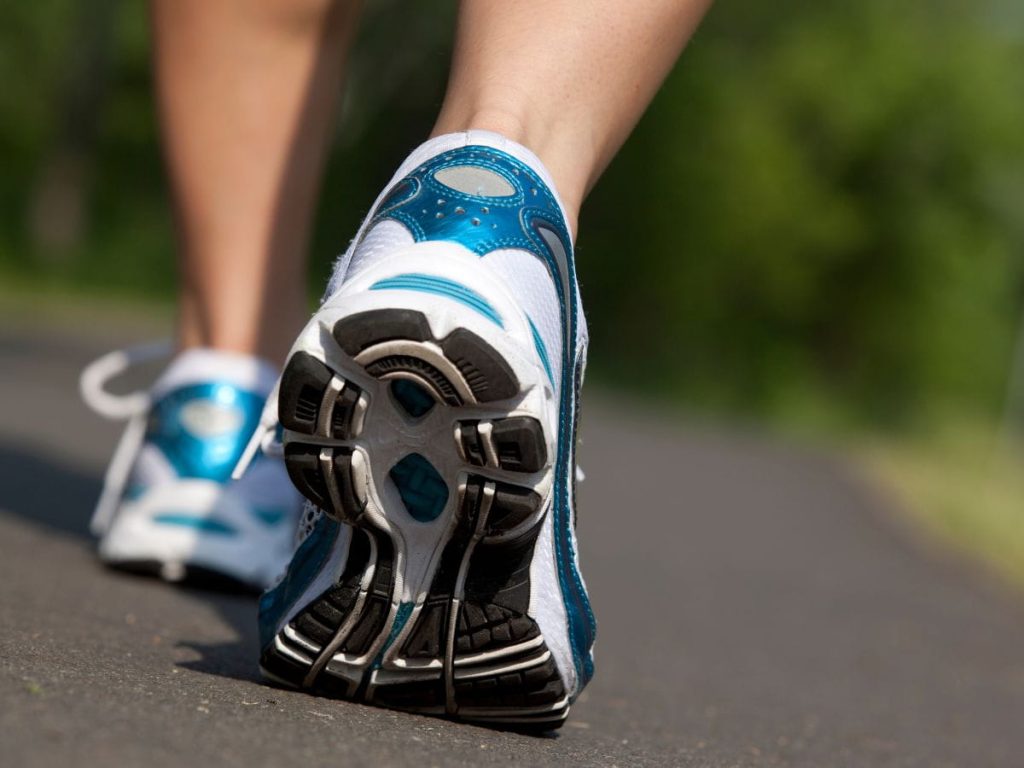
The main appeal really boils down to comfort. You put them on and they usually feel comfortable straight out of the box. There’s less stiffness, less weight, less heat, and less of that slightly clumsy, or chunky feeling you get when wearing heavier boots. This comfort advantage matters more than people think, because the footwear that feels comfortable in the hallway can start to feel like a lot of shoe once you’ve been lifting it for several hours.
This is one of the main arguments you’ll hear in favour of trail runners, and to be fair it makes sense. They don’t necessarily feel impressive in the way a solid boot does. They just feel less noticeable, and that’s often exactly what you want from footwear. You don’t really want to spend the whole walk admiring your boots – you want to stop thinking about your feet altogether.
They’re also useful if you prefer moving a bit more freely. Trail runners tend to flex more naturally, so your feet can adapt to the ground rather than being held in one stiff shape all day. Some people prefer that because they feel lighter and more responsive, especially on easier trails where you don’t need heavy protection from the ground.
They can also make sense if you’re trying to keep your overall setup lighter. Footwear weight matters because you’re lifting it with every step, and over a long hike that weight quickly adds up. It’s the same basic logic behind lightweight camping, really. You’re not trying to strip everything back for the sake of it, you’re just asking whether the extra weight is actually doing a useful job for the kind of hike you’re doing.
Trail runners are also worth considering if traditional boots always seem to give you problems. Some people get on brilliantly with boots, while others find them hot, stiff, awkward, or hard to break in. If you’re constantly dealing with rubbing, heel lift, or sore spots, it could be that your boots don’t fit properly (I’ve experienced this more than once!) but it could also be that you simply prefer a softer, lower-cut shoe.
We’ve covered the main cause of pain in your heels in hiking boots, but trail runners can be a sensible alternative if you keep finding boots uncomfortable.
They’re not just for serious ultralight hikers either. You don’t need to be doing 30-mile days with a toothbrush cut in half to justify wearing trail runners. Plenty of casual hikers use them because they’re comfortable, light, and perfectly capable on the routes they actually walk.
The key phrase there is “the routes they actually walk.”
If most of your hiking is on clear paths, dry ground, woodland tracks, coastal trails, parkland, summer hills, or well-used routes where you’re carrying a light daypack, trail runners may be all you need. However, you still need good grip, a proper fit, and socks that work with them, because bad socks can ruin any footwear choice, which is why hiking socks make a difference even when you’re not wearing boots.
Where people get into trouble is when they choose trail runners because someone online said boots are dead, rather than because trail runners actually suit the walk. They’re excellent when the conditions suit them, but they’re not a badge of honour and they’re not a universal upgrade. They’re just a lighter, more flexible option.
But on the right hike, that lighter tool can be exactly what you need.
When Hiking Boots Still Make More Sense
This is where the trail runner argument can get a bit carried away.
Trail runners are great in the right conditions, but hiking boots haven’t been popular this long just because everyone forgot to update their footwear opinions. They still make sense when the hike asks more from your feet, your ankles, your soles, or your confidence than a light shoe can comfortably give.
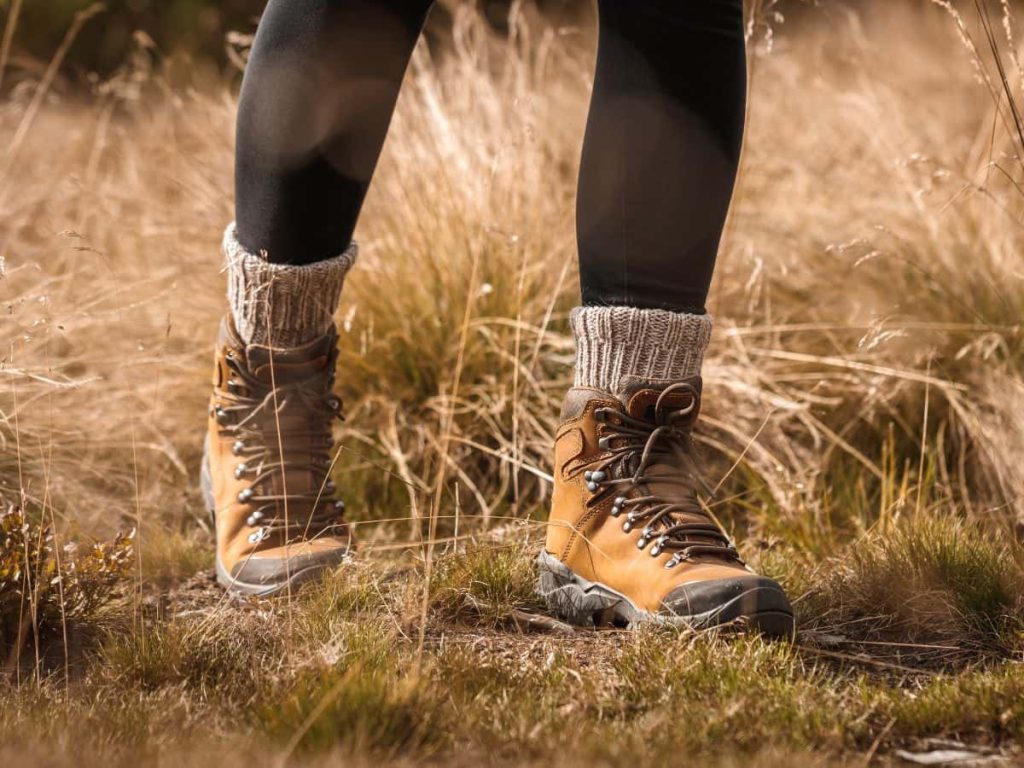
The most obvious example is rough ground. If you’re walking over sharp rocks, loose stones, tree roots, broken paths, steep muddy tracks, or uneven ground where every step seems to land slightly differently from the last one, boots can feel much more sturdy. You get more protection underfoot, more structure around the foot, and usually a tougher upper that doesn’t feel quite so exposed when you catch it against a rock or scrape it through something unpleasant.
They also make more sense when you’re carrying weight. A light daypack is one thing, but if you’re carrying camping gear, extra water, food, layers, or anything with a bit of weight, your feet take more of a beating. The more weight you carry, the more useful that extra structure can become, especially over longer distances or rougher terrain. This is where the “lighter is always better” argument starts to wobble a bit, because lighter footwear is only better if it still gives you enough support and protection for what you’re actually doing.
Boots are also hard to beat in cold, wet, muddy conditions. Not because they’re perfect, or because waterproof boots provide some sort of magical forcefield, but because they keep mud, wet grass, shallow puddles, cold ground, and general British unpleasantness away from your feet for longer. If you’re heading out in winter, walking through boggy fields, crossing muddy woodland, or starting a route where the weather looks like it’s already in a bad mood, boots are often the more sensible option.
This is especially true in snow or proper winter conditions, where trail runners usually stop making much sense unless you really know what you’re doing and the conditions are mild. Boots give you more warmth, more protection, and usually work better with thicker socks, gaiters, and winter walking setups. If you’re planning to hike in genuinely cold conditions, it’s worth reading our guide on whether hiking boots are good for snow, because that’s a slightly different conversation from a normal dry trail walk.
There’s also the confidence side of things, which I don’t think should be dismissed. Some people simply feel better in boots. They like the sturdier feel, the ankle coverage, the firmer sole, and the sense that their foot is being held in place rather than left to negotiate with the ground on its own. That doesn’t mean boots make you invincible, and we’ll talk about ankle support properly in a moment, but confidence matters when you’re walking on uneven ground. If you feel nervous and unstable in trail runners, you probably won’t enjoy the hike just because someone online told you trail runners are superior.
Durability is another reason boots still earn their keep. A good pair of boots can take a lot of punishment, especially if you look after them. They’re usually better suited to rocky ground, muddy routes, regular use, and the kind of hiking where soft mesh trail runners might start looking tired quite quickly. Boots may cost more upfront, but if they last longer and suit the kind of hiking you do, that can still make sense over time.
The mistake is thinking of boots as either essential or outdated. They’re neither. They’re just more useful in certain conditions.
If your walks are mostly dry, light, and easy-going, boots may be more than you need. But if you’re walking rough routes, carrying a heavier pack, heading out in winter, dealing with mud, or you simply want more protection around your feet, boots are still the obvious choice.
The Ankle Support Question
Ankle support is one of the big reasons people still choose hiking boots, and it’s easy to understand why.
If you’re walking on rough ground, muddy slopes, loose stones, rocky paths, or anything where your feet are landing at awkward angles, a boot is probably the better option. There’s more structure around the foot, more protection than you’d get from a low-cut shoe, and a firmer feel under you. Again, if you’re carrying a heavier pack, that can matter even more, because your feet and ankles are dealing with more weight every time you step.
But I think it’s worth being honest about what boots actually do.
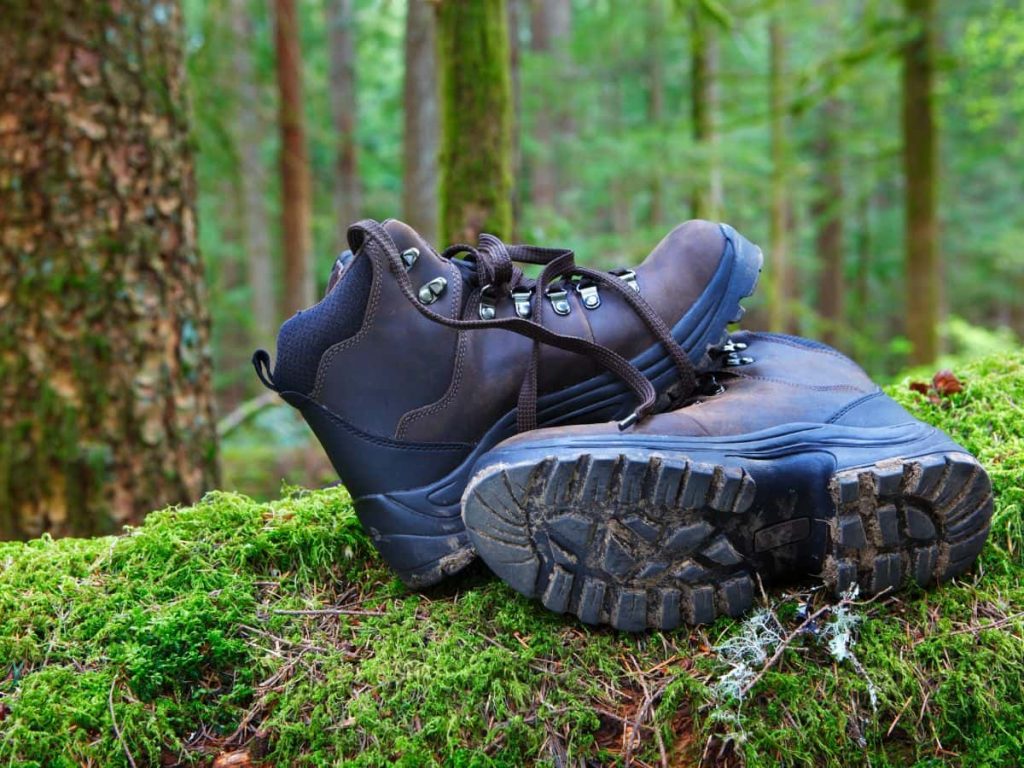
They can help you feel more secure, and they can give your ankle some extra support, but they don’t make you immune to injury. You can still roll an ankle in boots if you slip, land badly, rush downhill, or get tired and stop placing your feet carefully. A boot can help, but obviously there are plenty of factors involved.
Trail runners take a different approach. They don’t give you that high, enclosed feeling around the ankle, so if you’re used to boots they can feel a bit exposed at first. But they’re lighter, softer, and more flexible, and some hikers prefer that. They can place their feet more naturally, feel the ground more clearly, and move without the extra stiffness of a boot.
That’s why I don’t think the ankle support question has a simple winner.
For some hikes, and for some people, boots make perfect sense. If you’re heading into rougher ground, carrying camping gear, walking in poor weather, or you’ve had ankle problems before, a good boot may be the more sensible choice. Not because it guarantees anything, but because it gives you that extra structure and protection when the ground starts getting awkward.
For easier paths, lighter packs, dry trails, and ordinary day hikes, trail runners may be enough. If you move well in them and they feel comfortable, there’s no need to wear boots just because someone once decided that proper walking had to involve ankle-high footwear.
There’s also a middle ground here with hiking shoes. They won’t give you the ankle coverage of boots, but they’ll usually feel sturdier than trail runners. For plenty of hikers, especially those doing mixed paths, low hills, woodland routes, coastal walks, and regular day hikes, they may be the most sensible option of the lot.
If ankle support is the main reason you’re leaning toward boots, it’s worth reading our guide on whether hiking boots should have ankle support, because that goes into the subject properly.
For this comparison, though, I’d keep it simple. If boots help you feel safer on the ground you actually walk, they’re probably worth wearing. If trail runners make you feel lighter, more comfortable, and more sure-footed, they may be the better choice.
Comfort, Blisters and Fit Matter More Than the Label
Once you’ve got a rough idea of which type of footwear suits your hiking, the next thing is fit – and honestly, this is where a lot of people go wrong.
It’s easy to spend ages deciding whether you need hiking boots, trail runners, or hiking shoes, then forget that none of those categories matter much if the thing on your foot doesn’t actually fit properly. A well-fitting trail runner will usually feel better than a badly fitting boot, and a well-fitting boot will usually feel better than a trail runner that pinches your toes, slips at the heel, or rubs every time the path tilts downhill.
That sounds obvious, but it’s worth saying because footwear debates can make people think the category is the whole decision. It isn’t. The category gets you in the right area, but the fit decides whether you’re still happy with that decision five miles later.
Boots can cause problems if they’re too stiff, too narrow, too roomy, or not broken in properly. One of the most common issues is heel movement, where the back of your foot lifts slightly with each step and starts rubbing against the boot. It may not feel like much at first, but after a few miles it can turn into soreness, hotspots, or blisters.
Trail runners can be more forgiving, but they’re not immune to fit problems either. If the toe box is too tight, your toes can rub or get squeezed on descents. If they’re too loose, your foot can slide around. If the sole is too soft for the ground you’re walking on, your feet may feel tired sooner than expected. Lighter footwear can be brilliant, but it still has to suit your foot and the hike you’re doing.
Socks are part of this too, and they’re often underestimated. The right socks can help with moisture, rubbing, cushioning, and general comfort, while the wrong socks can make even good footwear feel annoying.
This is also where blisters come into the picture. People often blame the boot or shoe straight away, and sometimes they’re right, but blisters are usually more specific than that. They often come from one patch of movement, pressure, dampness, or rubbing that hasn’t been dealt with early enough. We’ve covered that properly in our guide on how to stop blisters when hiking, but the short version is simple: if something starts rubbing, don’t wait for it to become a proper problem before you do something about it.
The best thing you can do is test new footwear on shorter hikes before trusting it on anything long, steep, remote, or awkward to abandon. Wear the socks you’ll actually use, walk on the kind of ground you normally walk on, and pay attention to the first signs of rubbing, slipping, tightness, or pressure. The hallway test is useful, but it only tells you so much. Your feet tend to give more honest feedback after a few miles.
So before you decide that boots are wrong for you, or trail runners are the answer to everything, make sure you’re not really dealing with a fit problem. The right footwear should feel secure without squeezing, comfortable without sliding, and suited to the ground you’re walking on.
If it doesn’t, the name on the box won’t save it.
Frequently Asked Questions
Are trail runners good for hiking?
Yes, trail runners can be very good for hiking, especially on dry trails, easier paths, summer walks, and day hikes where you’re carrying a light pack. They’re light, comfortable, and usually easier to wear straight away than traditional hiking boots.
They’re not the best choice for every hike, though. If you’re walking in snow, deep mud, rough rocky ground, or carrying a heavy pack, boots may still make more sense.
Are hiking boots better than trail runners?
Hiking boots are better than trail runners in some situations, but not all of them. Boots usually give you more protection, structure, durability, and weather resistance, which can be useful on rough ground, in cold conditions, or when carrying more weight.
Trail runners are often better for lighter, drier, less demanding walks where comfort, breathability, and low weight matter more.
Are trail runners better for blisters?
Not automatically. Trail runners can reduce some blister risks because they’re usually lighter, softer, and less stiff than boots, but they can still cause blisters if they don’t fit properly, if your socks bunch up, or if your feet get damp and start rubbing.
Blisters usually come down to fit, friction, moisture, and pressure, not just whether you’re wearing boots or trail runners.
Do hiking boots really support your ankles?
Hiking boots can give your ankle more structure and make your foot feel more secure, especially on rough or uneven ground. But they don’t make you immune to rolling an ankle.
Balance, tiredness, grip, pack weight, walking pace, and how carefully you place your feet all matter too. Boots can help, but they’re not a guarantee.
Can you wear trail runners in the rain?
You can wear trail runners in the rain, but you should expect your feet to get wet more easily than they would in waterproof boots. The advantage is that many trail runners drain and dry faster, which can be useful in warmer wet conditions.
In cold rain, deep mud, wet grass, or winter conditions, waterproof hiking boots may be more comfortable.
Are hiking shoes a good middle ground?
Yes, hiking shoes can be a very good middle ground. They’re usually sturdier than trail runners, but lighter and lower-cut than boots.
For many day hikers, especially people walking woodland paths, coastal routes, low hills, fields, gravel tracks, and mixed countryside paths, hiking shoes may be the most practical option.
Should beginners choose hiking boots or trail runners?
Beginners should choose based on the walks they’re actually planning to do. For easy day hikes on clear paths, trail runners or hiking shoes may be enough. For rougher ground, wet weather, winter routes, or carrying a heavier pack, hiking boots are usually the safer starting point.
The most important thing is fit. A badly fitting boot or trail runner will cause more problems than choosing the “wrong” category.
Do trail runners last as long as hiking boots?
Usually, no. Trail runners are often lighter and more comfortable, but the softer materials and flexible soles tend to wear out faster than a sturdy pair of hiking boots.
That doesn’t mean they’re bad value. It depends how often you hike, where you walk, and whether you prefer comfort and lightness over long-term durability.
Can I use running shoes instead of trail runners?
You can use normal running shoes for very easy paths, but they’re not ideal for most hiking. Trail runners usually have better grip, tougher uppers, and more protection for uneven ground.
If you’re walking on pavements, park paths, or very gentle trails, ordinary trainers may be fine. For proper trails, mud, loose ground, or hills, trail runners or hiking shoes are a better choice.
What’s the best choice for most casual hikers?
For many casual hikers, hiking shoes or trail runners will be enough, especially for day walks on clear paths in mild weather. They’re usually more comfortable than heavy boots and less tiring over longer distances.
But if your walks involve mud, rough ground, winter weather, or heavier loads, boots still have a place. The best choice is the one that suits your routes, your feet, and the conditions you actually hike in.
For a broader outdoor retailer perspective, REI’s guide to hiking boots vs trail runners reaches a similar conclusion: both can work, but the better choice depends on the terrain, conditions, pace, pack weight, and what feels right on your feet.
Final Thoughts
The hiking boots vs trail runners debate sounds more complicated than it needs to be, mostly because people tend to argue from whatever works for them personally.
But that’s really the point.
Trail runners can be brilliant if your hikes are lighter, drier, warmer, and mostly on decent paths. They’re comfortable, easy to wear, and much less tiring than boots for a lot of ordinary day walks.
Hiking boots still make sense when the ground is rough, wet, cold, steep, muddy, or when you’re carrying more weight and want that extra protection underfoot. They’re not outdated, they’re just not always necessary.
And hiking shoes sit quietly in the middle, probably being the sensible answer for more people than the internet gives them credit for.
So I wouldn’t start with the question, “Which one is better?” I’d start with something much more useful: what kind of hiking do you actually do most of the time?
If your walks are mostly dry trails, woodland paths, coastal routes, summer hills, and easy day hikes, trail runners or hiking shoes may be all you need. If your walks involve rougher ground, winter conditions, heavier packs, wet fields, rocky paths, or the usual British mixture of mud and uncertainty, boots may still be the better choice.
The best footwear is the pair that fits properly, suits the route, and lets you stop thinking about your feet once you’re out walking. That’s usually the real answer. Not the most fashionable option, not the most traditional option, and not whatever someone online insists “real hikers” should wear.
Just the one that makes the hike better.
