
Cooking while camping has a habit of feeling more complicated than it needs to be. Google the topic and you’ll find elaborate campfire feasts that assume perfect weather, a fully stocked shop nearby, and a level of patience most people don’t have once they’re cold, hungry, or just want to sit down. On the other end of the spectrum, it’s easy to assume camping meals have to be bland, repetitive, or built entirely around snacks.
Easy camping meals that work anywhere tend to share a few simple traits. They use basic ingredients you can find almost anywhere, rely on forgiving cooking methods rather than precise recipes, and don’t depend on specialist gear or a particular style of camping. If a meal only works when everything goes to plan, it usually isn’t a great fit for being outdoors.
In reality, the best camping meals sit quietly in the middle. They’re simple, flexible, and designed to cope with small compromises, whether that’s a different shop, a basic stove, or limited space. They work whether you’re car camping for a weekend, travelling light, cooking at a campsite, or putting something together with whatever you can carry or buy locally.
That’s what this guide is about. Not recipes you have to follow line by line, and not food that only works in one setting, but practical ideas built around common cooking methods and easy substitutions, so you can eat well without overthinking it.
If you’re new to camping, this should give you a solid starting point. And if you’ve camped before but still find food planning more stressful than it needs to be, it should help strip things back to what actually makes meals work outdoors.
Contents
- Start With the Cooking Method, Not the Recipe
- Easy Camping Meals That Work Almost Anywhere
- Adapting Meals to What You Can Actually Buy
- How Much Gear Do You Really Need?
- Common Camp Food Mistakes (and Easy Fixes)
- Easy Camping Meals – FAQs
- Final Thoughts
Start With the Cooking Method, Not the Recipe
One of the easiest ways to overcomplicate camping food is to start with recipes. Recipes assume you’ll have the right ingredients, the right equipment, and the right conditions. Outdoors, that’s rarely how it plays out, and in fact, a far more reliable approach is to start with how you’re going to cook, then work backwards from there.
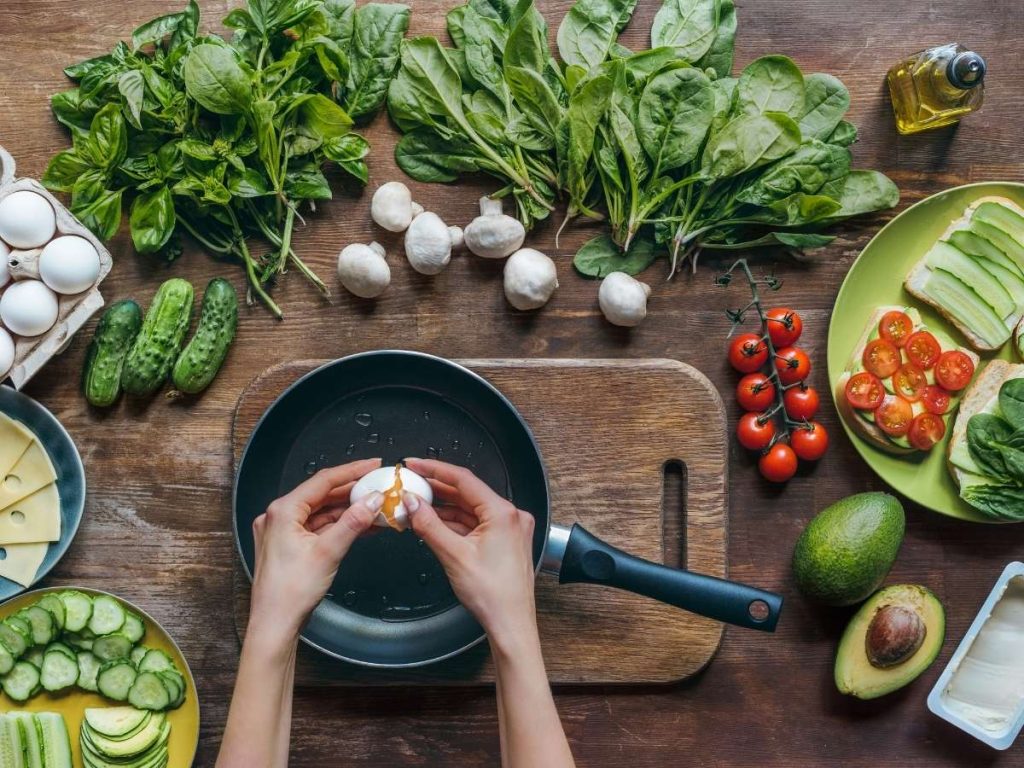
Most easy camping meals that work anywhere fall into a small handful of cooking methods. Once you’ve mastered those, the actual food becomes much more flexible.
For many people, that means cooking on a simple camping stove. You don’t need to know the details of fuel types or burner designs to plan meals, but it helps to be realistic about what a basic stove can comfortably handle. If you’re unsure about what your setup can manage, our guide to camping stoves and cooking breaks this down in more detail, but for meal planning purposes, assume simple, steady heat rather than precision cooking.
One-pot cooking is usually the safest place to start. Meals that come together in a single pan or pot are forgiving, easy to scale up or down, and don’t require much coordination. Pasta dishes, rice-based meals, and simple stews all work well because they tolerate substitutions and minor timing errors without falling apart. This approach also keeps washing up minimal, which matters more than most people expect once it’s dark or raining.
No-cook meals are another category worth building into your plan, especially if you’re travelling light or don’t want to rely on cooking every time you eat. Wraps, bread-based meals, and cold combinations of protein, carbs, and fats can be surprisingly filling and take the pressure off your stove and fuel supply. They’re particularly useful if you’re camping without a car, where weight and simplicity matter more than variety.
The key point is that once you choose a cooking method that suits your style of camping, the meal ideas almost take care of themselves. You stop asking “what recipe should I bring?” and start asking “what works with this setup?”, which is a much easier question to answer outdoors.
Once you know the kind of cooking your setup supports, choosing meals becomes far less abstract. With that in mind, the recipes below are built around methods that work reliably in real camping conditions, not ideal ones.
Easy Camping Meals That Work Almost Anywhere
This is where camping food becomes either straightforward or quietly frustrating. The difference usually comes down to whether the meals you’ve chosen can cope with basic equipment, limited ingredients, and the reality of cooking outdoors at the end of a long day.

The easy camping meals below are organised by breakfast, lunch, dinner, and snacks. Every one of them works with minimal gear, adapts easily if ingredients change, and doesn’t fall apart if conditions aren’t ideal.
Breakfast Recipes: Simple, Filling, and Low Effort
Breakfast is usually the easiest meal to get right when camping, as long as you keep it simple and avoid anything that needs too much time, fuel, or washing up first thing in the morning.
Basic Camping Oats (Hot or Cold)
This is one of the most reliable breakfasts you can take camping.
What you need:
Oats, water or milk, and any extras you like, such as dried fruit, nuts, seeds, honey, or nut butter.
How to make it:
Add oats and liquid to a pot and heat gently, stirring occasionally, until thick. If you don’t want to cook in the morning, combine everything the night before and let it soak overnight. Cold oats still work surprisingly well if you’re short on fuel or time.
This kind of breakfast is especially useful when mornings are cold or damp, or when you’re trying to keep things simple because you slept somewhere exposed, like when camping without a tent.
Wraps with Spreads
Fast, predictable, and hard to mess up.
What you need:
Wraps or flatbreads, plus spreads like peanut butter, jam, honey, or soft cheese.
How to make it:
Spread, roll, eat. That’s it. You can warm wraps briefly in a pan if you want, but they work perfectly well cold.
This is a good option if you’re packing up early or trying to keep pack weight down, something that often matters when lightweight camping.
Simple Egg Breakfast
If you want something cooked but don’t want a full production.
What you need:
Eggs, oil or butter, and bread or wraps.
How to make it:
Heat a small amount of oil, scramble or fry the eggs, and serve in a wrap or on bread. Keep it to one pan and avoid extra ingredients that complicate things.
Lunch Recipes: Flexible and Easy to Carry
Lunch works best when it doesn’t rely on reheating or setting up camp again.
Tuna or Bean Wraps
A reliable staple almost anywhere.
What you need:
Wraps, tinned tuna or beans, oil or mayo, salt.
How to make it:
Drain the tin, mix with a little oil or mayo, season, and wrap. Add vegetables if you have them, but don’t rely on them.
This kind of meal works well when you’re on the move or stopping briefly, and doesn’t require cooking.
Cold Pasta or Couscous Salad
A good way to use leftovers.
What you need:
Cooked pasta or couscous, oil, salt, and any extras you have, beans, cheese, tinned fish, or vegetables.
How to make it:
Mix everything together and eat cold. If you cooked grains the night before, this avoids waste and saves fuel.
Bread and Simple Fillings
Sometimes the simplest option is the best one.
Fresh bread from a local shop, paired with cheese, spreads, or tinned food, often makes a surprisingly satisfying lunch with very little effort.
Dinner Recipes: One-Pot and Forgiving
Dinner is where people tend to overcomplicate things. These meals are designed to tolerate tiredness, fading light, and basic equipment.
One-Pot Pasta with Tomato Sauce
Quick, and easy.
What you need:
Dried pasta, tinned tomatoes or jarred sauce, oil, salt, optional extras like cheese or cured meat.
How to make it:
Boil pasta until nearly cooked, drain most of the water, then add sauce and heat through. Adjust with oil and seasoning. Add extras if you have them.
This works almost anywhere and is hard to ruin.
Rice and Bean One-Pot Meal
Another quick, easy option with minimal mess.
What you need:
Rice, tinned beans or lentils, stock cube or seasoning.
How to make it:
Cook rice according to packet instructions. Once nearly done, add drained beans, seasoning, and a little water. Simmer until heated through.
Filling, cheap, and adaptable if ingredients change.
Simple Camping Stew
Works for breakfast, lunch, or dinner!
What you need:
Tinned vegetables, beans, stock, seasoning.
How to make it:
Add everything to a pot and simmer gently until hot and slightly thickened. Taste and adjust.
This kind of meal is ideal when the weather turns and you just want something warm without effort.
Snacks: Small Things That Matter
Snacks often make the difference between meals feeling sufficient or not.
Good options include:
- Nuts and dried fruit
- Crackers or biscuits
- Apples, oranges, or other robust fruit
These store well and require no preparation.
Eating Well Also Depends on Sleeping Well
It’s worth saying that food enjoyment outdoors is closely tied to comfort. If you’ve slept badly or been cold overnight, even simple meals can feel harder work than they should. Having the right sleep setup, including a properly rated sleeping bag, makes a real difference to how your mornings and evenings feel. If you’re unsure what to look for, our guide on how to choose a sleeping bag explains this in more detail.
Why These Recipes Work
None of these meals rely on precise timing, specialist equipment, or hard-to-find ingredients. They’re designed to be flexible, forgiving, and repeatable, which is exactly what you want outdoors.
If you can cook without thinking too hard, you’ve probably chosen the right meals.
Adapting Meals to What You Can Actually Buy
One of the reasons easy camping meals work anywhere is that they’re built to adapt. Rather than depending on a fixed shopping list, they’re based on categories of food that exist in some form almost everywhere, even if the packaging, brands, or exact ingredients change.

When you plan meals this way, shopping stops being a potential stress point and becomes part of the process. Instead of looking for specific products, you’re just filling simple roles, a carbohydrate base, a protein source, something for flavour, and a bit of fat to keep things filling.
Carbohydrates are usually the easiest place to start. Pasta, rice, couscous, bread, wraps, potatoes, and grains all serve the same purpose, and most shops will carry at least one of them. If you can’t find what you planned to bring, it’s usually straightforward to swap in something else that cooks in a similar way. This flexibility is especially useful if you’re travelling or shopping locally rather than stocking up in advance.
Protein is where people tend to get stuck, but it doesn’t need to be complicated. Tinned fish, beans, lentils, eggs, cured meats, hard cheeses, and nut-based spreads all travel well and don’t rely on refrigeration for short trips. Fresh meat can work too if you’re organised, but it’s rarely essential. If you’re trying to keep costs down, this approach also overlaps nicely with camping on a budget, where choosing flexible, shelf-stable foods often saves money as well as effort.
Flavour and variety usually come from small additions rather than full ingredients. Sauces, spices, oils, and condiments weigh very little but make simple meals feel intentional rather than improvised. A single jar of sauce or a small spice mix can transform several meals without adding much bulk to your pack.
This way of thinking becomes especially helpful if you’re camping in unfamiliar places or relying on smaller shops. You’re no longer looking for a perfect match, just something that fills the same role. That mindset makes meals easier to plan, easier to shop for, and much harder to mess up.
How Much Gear Do You Really Need?
When it comes to easy camping meals, more equipment doesn’t usually lead to better results. It just adds weight, takes up space, and gives you more to manage when you’re already tired or short on time. Most easy camping meals that work anywhere rely on a very small kit, used well.

At a minimum, you need one reliable heat source, one pot or pan, and one utensil you can cook and eat with. That’s enough to handle the vast majority of meals covered in this guide. Anything beyond that is optional, and often dictated more by comfort than necessity.
A basic stove setup is more than capable of boiling water, heating sauces, and cooking simple camping meals. You don’t need perfect flame control or multiple burners to eat well outdoors. What matters is choosing meals that suit the equipment you already have, rather than buying new gear to suit a menu. If you’re still building your setup, our guide to essential camping gear helps clarify what’s genuinely useful and what tends to stay unused.
Keeping your cooking kit simple also makes a difference to weight and packing. Fewer items means fewer decisions, quicker setup, and less to clean at the end of the day. This ties in closely with lightweight camping, where reducing complexity often leads to a more relaxed experience overall.
There’s also a safety angle to simplicity. Using minimal gear in a predictable way reduces the chances of spills, burns, or accidents around camp, particularly if you’re camping in poor weather. If conditions are rough, cooking becomes something to get done efficiently rather than an activity in its own right. In those situations, it’s worth being mindful of broader camping safety, especially if you’re dealing with wind, rain, or unstable ground.
Once you accept that good camp food doesn’t require much equipment, planning becomes far easier. You stop worrying about whether you’ve packed enough and start focusing on what you’ll actually enjoy eating.
Common Camp Food Mistakes (and Easy Fixes)
Most camping food problems don’t come from a lack of effort, they come from planning meals that only work in ideal conditions, and a few small adjustments usually make a big difference.
One common mistake is bringing meals that depend on precise timing or constant attention. Outdoors, distractions are inevitable. Wind picks up, light fades, fuel runs low, or you simply lose patience. Meals that need careful stirring, multiple stages, or exact cooking times tend to fall apart under those conditions. The fix is simple: choose meals that can sit for a minute, cook a little longer without spoiling, or be adjusted on the fly.

It’s also worth mentioning that when you’re handling food outdoors, basic hygiene matters more than fancy equipment, especially in warm weather. The Food Standards Agency’s advice on food safety outdoors is a good reference if you want to understand the simple precautions that help avoid problems while camping.
Another issue is overpacking ingredients without thinking about how they’ll actually be used. It’s easy to bring lots of small items that feel useful in theory but never quite come together into a proper meal. Planning around a few complete, flexible meal ideas, rather than individual ingredients, keeps food practical and reduces waste.
People also tend to underestimate how weather affects cooking. Rain, cold, and wind make even simple tasks feel harder, especially at the end of the day. In poor conditions, no-cook meals or quick one-pot options are often the difference between eating well and settling for snacks. If you’re camping in an area where conditions can change quickly, it’s worth being aware of broader considerations around camping in the rain and camping safety and thunderstorms, as both influence how and when it makes sense to cook.
Finally, there’s the assumption that camp food needs to be impressive to be satisfying. In reality, reliable meals that fill you up and don’t demand much effort are usually the most enjoyable. Outdoors, comfort often comes from simplicity rather than variety.
Avoiding these mistakes doesn’t mean lowering standards, it just means choosing food that suits the environment you’re in.
Easy Camping Meals – FAQs
What are the easiest camping meals for beginners?
The easiest meals are the ones that don’t depend on perfect conditions. One-pot dishes, simple wraps, and no-cook combinations are usually the most forgiving. If a meal works with basic heat, a single pan, and a handful of ingredients, it’s probably a good choice for a first trip.
Can you cook proper meals with just a camping stove?
Yes, as long as you choose meals that suit the setup. A basic stove can boil water, simmer sauces, and cook simple dishes without any trouble. The key is avoiding meals that rely on fine temperature control or multiple pans. If you want a deeper look at what different setups can handle, our guide to camping stoves and cooking goes into more detail.
What food should you avoid taking camping?
Foods that spoil quickly, require refrigeration, or need precise cooking tend to cause problems. Fresh meat, delicate sauces, and meals with lots of separate components are often more hassle than they’re worth. Shelf-stable ingredients and flexible meals usually lead to a much smoother experience.
Are no-cook camping meals actually filling?
They can be, if they’re built properly. Combining carbohydrates, protein, and fats makes a big difference. Wraps with spreads, tinned fish, beans, or cheese can be surprisingly satisfying, especially when you’re active outdoors. No-cook meals also reduce fuel use and effort, which matters more than people expect on longer trips.
Final Thoughts
Good camping food doesn’t need to be clever, it just needs to work. Meals that are simple, adaptable, and easy to cook tend to hold up best when plans change, shops are limited, or the weather doesn’t cooperate.
By focusing on cooking methods rather than rigid recipes, and by choosing ingredients that are easy to swap or source locally, you give yourself far more flexibility outdoors. The result is less stress, fewer compromises, and meals that quietly do their job without taking over the trip.
Once the basics are sorted, everything else becomes optional. And that’s usually when camping starts to feel simpler, not just while you’re hunched over your camping stove, but overall.
